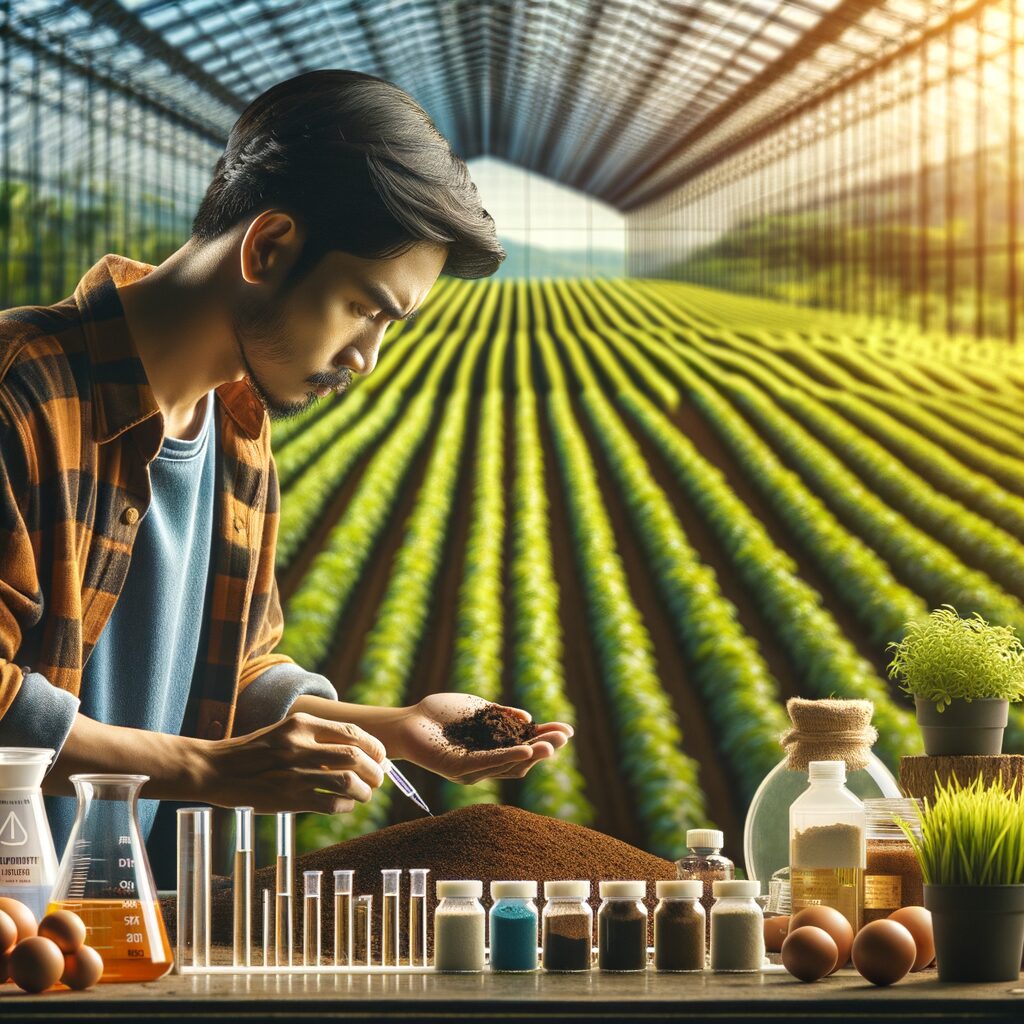
Explore the benefits of biostimulants in vegetables. Improve the productivity and sustainability of your crops. Contact us for more information!
Introduction to Biostimulants
Biostimulants are products that, when applied to plants or soil, promote biological processes that enhance crop health and performance. In the context of vegetable cultivation, these compounds play a crucial role by facilitating more efficient nutrition and increasing resistance to environmental stress factors, such as droughts or pests. For more information visit Ecoganic.
Benefits of Biostimulants in Vegetables
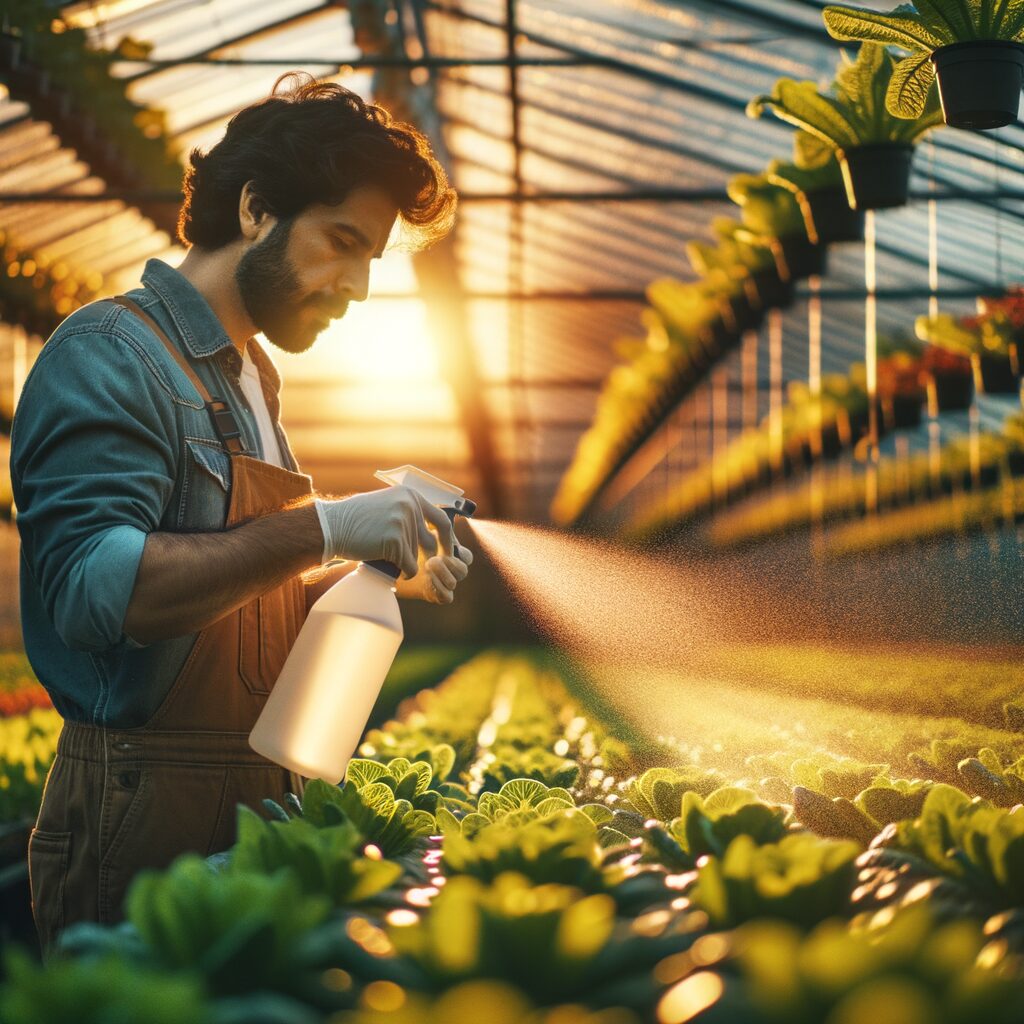
The incorporation of biostimulants in vegetable cultivation offers multiple benefits, which can be classified into three main areas: improving soil health, optimizing plant growth, and increasing harvest quality.
1. Improving Soil Health
Biostimulants can enrich soil microbiology, promoting the activity of beneficial microorganisms that contribute to soil health. These microorganisms help decompose organic matter, releasing nutrients that are available to plants. Additionally, a healthy microbiota can decrease the incidence of diseases in plants.
1.1 Mechanisms of Action of Biostimulants in Soil
Biostimulants act through various mechanisms, including the production of organic compounds that encourage the growth of beneficial microorganisms, such as bacteria of the genus Rhizobium and mycorrhizal fungi. These microorganisms, in turn, can improve the availability of nutrients such as nitrogen and phosphorus, essential for vegetable growth. For example, a study conducted by the University of Córdoba demonstrated that the use of seaweed-based biostimulants increased the population of Azospirillum, a bacterium that promotes root growth and improves nutrient absorption.
Furthermore, biostimulants can induce the production of enzymes in the soil, such as phosphatases, which help release phosphorus from forms that are not available to plants. This is crucial, as phosphorus is one of the limiting nutrients in many agricultural soils, and it has been estimated that up to 80% of phosphorus in the soil may be in forms inaccessible to plants.
1.2 Impact on Soil Structure
The application of biostimulants can also improve soil structure, increasing its water retention capacity and aeration. Well-structured soil allows for better root development, resulting in more robust plant growth. Studies have shown that the application of humate-based biostimulants can increase soil porosity by 15%, improving water infiltration and reducing erosion.
Improvement in soil structure can also result in increased biological activity in the soil, which in turn can create a positive cycle where healthier soil favors the growth of more beneficial microorganisms. This translates into greater nutrient availability and better crop performance.
2. Optimizing Plant Growth
Biostimulants stimulate physiological processes in plants, such as nutrient absorption and root formation. By improving nutrient use efficiency, crops can reach their maximum productive potential. For example, it has been observed that the use of certain biostimulants can increase root formation, allowing plants to access more nutrients and water in the soil.
2.1 Effects on Photosynthesis and Plant Growth
Biostimulants can also influence the rate of photosynthesis, resulting in increased biomass and faster growth. In trials conducted with lettuce crops, it was found that the application of a seaweed-based biostimulant increased the photosynthesis rate by 20% compared to the untreated control, resulting in a 30% increase in harvest yield.
Additionally, biostimulants can increase the activity of the Rubisco enzyme, key in the carbon fixation process, which improves photosynthetic efficiency. In a study with tomato crops, it was observed that the application of a fulvic acid-based biostimulant resulted in a 15% increase in Rubisco activity, translating into more vigorous growth.
2.2 Resistance to Abiotic Stress
Biostimulants can also increase plants’ resistance to abiotic stress conditions, such as droughts or extreme temperatures. For example, a study in tomatoes showed that the application of an amino acid-based biostimulant improved drought tolerance, increasing production by 25% under water stress conditions. This effect is due to amino acids promoting the synthesis of proteins related to stress resistance and improving plants’ water regulation.
An additional mechanism to consider is the production of osmoprotective compounds, such as betaines and soluble sugars, which help plants maintain their turgor and reduce cellular damage during stress events. Research has shown that the application of biostimulants can increase the concentration of these compounds in plants, thereby improving their ability to cope with adverse conditions. A recent study demonstrated that the application of a seaweed extract-based biostimulant under drought conditions increased betaine concentration by 40%, improving cellular turgor.
3. Increasing Harvest Quality
The use of biostimulants not only affects the quantitative yield of crops but also improves the quality of harvested products. Vegetables treated with biostimulants often exhibit better flavor, texture, and nutritional content, translating into higher market value.
3.1 Improved Nutritional Composition
Biostimulants can increase the content of bioactive compounds in vegetables, such as antioxidants, vitamins, and minerals. A study on peppers showed that the use of a microorganism-based biostimulant increased vitamin C content by 15%, thus improving the nutritional profile of the final product. This is especially relevant in a market where consumers increasingly value the nutritional quality of food.
Moreover, biostimulants can influence the synthesis of phytochemicals, which are bioactive compounds that contribute to human health. For example, in broccoli cultivation, it has been shown that treatment with seaweed-based biostimulants increases glucosinolate levels, compounds associated with anticancer properties. In a recent study, it was found that the application of a specific biostimulant increased glucosinolates by 25% compared to the untreated control.
3.2 Sensory Attributes
In addition to nutritional benefits, biostimulants can positively impact the sensory attributes of vegetables. Research has indicated that the use of biostimulants can improve the flavor, texture, and appearance of crops. In studies conducted with carrots, it was observed that crops treated with seaweed extract-based biostimulants exhibited a crunchier texture and sweeter flavor, increasing their market acceptance.
Likewise, the use of certain biostimulants has been shown to increase the production of volatile compounds responsible for aroma in fruits and vegetables, which can enhance consumer perception. In a study with strawberries, it was found that the application of a specific biostimulant increased the concentration of aromatic compounds by 30%, resulting in greater preference among consumers in taste tests. A panel analysis revealed that 85% of consumers preferred strawberries treated with biostimulants due to their more intense aroma.
Practical Applications of Biostimulants
To make the most of the benefits of biostimulants, it is crucial to apply them properly. There are different ways to apply these products, from soil fertilization to foliar application. The choice of method depends on the type of biostimulant and the specific conditions of the crop.
1. Soil Fertilization
Integrating biostimulants into the soil before planting can help establish a favorable environment for plant growth. This may include the application of products based on microorganisms or natural extracts that improve nutrient availability. In zucchini crops, for example, it has been observed that incorporating biostimulants into the soil increases microbial activity, which in turn improves nitrogen availability, increasing yield by 20%.
1.1 Methods of Application in Soil
Biostimulants can be applied to the soil using different methods, such as incorporation into the substrate, drip irrigation, or fertigation. Fertigation, which combines the application of water and nutrients, is especially effective for ensuring uniform distribution of biostimulants. For example, in tomato crops, the application of biostimulants through fertigation has been shown to increase nutrient absorption efficiency by 30% compared to conventional application.
Additionally, incorporating biostimulants at the time of planting can improve germination and seedling establishment. Studies have shown that applying an amino acid-based biostimulant at planting can increase germination rates by 20% and initial biomass by 25%. This effect translates into more uniform and vigorous seedling growth, which is crucial for field production.
2. Foliar Application
The application of biostimulants directly onto the leaves allows for rapid absorption and can be especially effective during stress periods, such as droughts or frosts. This method can help plants recover more quickly and maintain their growth. In a trial with lettuces, it was observed that the foliar application of a seaweed extract-based biostimulant during a period of water stress resulted in a 40% recovery in growth compared to untreated controls.
2.1 Advantages of Foliar Application
The foliar application of biostimulants has several advantages, including reducing the amount of product needed and the speed of plant response. It has been shown that the foliar application of amino acids increases chlorophyll production by 25%, improving photosynthesis and, therefore, plant growth. Additionally, this method allows for more precise control over the applied dose and timing, which can be critical during key development stages.
For example, in lettuce crops, it has been observed that foliar application of biostimulants during the active growth stage can result in a 15% increase in chlorophyll content, thus improving the visual and nutritional quality of the leaves. In a field study, the foliar application of biostimulants also showed a significant increase in resistance to foliar diseases, reducing the incidence of fungi by 30%.
Related Articles
Need professional help?
At Ecoganic in Spain, Europe, we offer Biostimulants, Organic Fertilizers, Bioprotectors. Call us: +34 652 530 492.
Considerations for the Use of Biostimulants
It is important to consider several factors when using biostimulants in vegetable cultivation. The choice of the right product, the timing of application, and the conditions of the crop are determining factors for maximizing benefits.
1. Product Selection
There are various types of biostimulants on the market, each with its specific characteristics. It is essential to select one that fits the needs of the crop and the soil conditions. For example, in soils with low organic matter, a humate-based biostimulant may be more effective, while in saline soils, an amino acid-based product may help mitigate salt stress.
1.1 Types of Biostimulants
Biostimulants can be classified into several categories, including seaweed extracts, beneficial microorganisms, amino acids, and organic compounds. For example, seaweed extracts are rich in phytohormones and polysaccharides that can improve stress resistance and nutrient availability. On the other hand, microbial biostimulants, such as Bacillus subtilis, can help improve soil health and promote root growth.
Amino acids, which are building blocks of proteins, also play a crucial role in plant growth. Their application can enhance protein synthesis and enzymatic activity, resulting in more vigorous growth. A recent study demonstrated that the application of specific amino acids in pepper crops increased yield by 18%, compared to the control. This indicates that the proper selection of biostimulants can have a significant impact on crop productivity.
1.2 Microorganism-Based Biostimulants
Microorganism-based biostimulants include bacteria and fungi that establish symbiosis with plant roots. These organisms not only improve nutrient availability but can also produce metabolites that stimulate plant growth. A notable example is the application of Trichoderma harzianum, a fungus that helps plants resist pathogens and improves nutrient absorption. Studies have shown that its use can increase production in vegetable crops by 20% by reducing disease incidence and improving root growth.
2. Timing of Application
Timing applications is key to achieving optimal results. Applying biostimulants at critical moments in plant development, such as during the active growth stage, can maximize their effectiveness. This is because during these phases, plants are more receptive to nutrients and bioactive compounds, which can result in a more pronounced response.
2.1 Critical Phases for Application
The most critical moments for applying biostimulants are usually during germination, transplanting, and the onset of flowering. For example, in cucumber cultivation, the application of an amino acid-based biostimulant during the transplant phase has been shown to reduce transplant stress and increase survival rates by 20%. This is especially relevant under stress conditions, where plants may experience significant shock.
Likewise, application during the flowering phase can influence fruit formation. In studies with tomato crops, it has been observed that the application of biostimulants at this stage can increase the number of fruits by 15% and their size by 10%. This highlights the importance of application at key moments to maximize production.
2.2 Application Strategies in the Field
Implementing appropriate application strategies is essential to maximize the effectiveness of biostimulants. For example, in greenhouse vegetable crops, it is recommended to perform foliar applications on cloudy days to avoid degradation of biostimulants by solar radiation. Additionally, applying biostimulants in combination with other agronomic treatments, such as conventional fertilization, can further enhance benefits. A study conducted in lettuce crops showed that combining biostimulants with nitrogen fertilizers resulted in a 35% increase in total yield.
3. Evaluating Results
Monitoring results after the application of biostimulants is essential to assess their effectiveness and make adjustments in future applications. This includes both the yield of vegetables and the overall health of the crop. Establishing clear and objective indicators will allow farmers to make informed decisions about the use of biostimulants.
3.1 Evaluation Methods
To evaluate the effectiveness of biostimulants, it is advisable to use quantitative and qualitative indicators, such as harvest weight, nutrient content, and quality parameters. A common approach is to make comparisons between treated and untreated crops, allowing for a clear assessment of the impact of biostimulants. Soil analyses before and after application can also be used to measure changes in microbiota and nutrient availability. This is fundamental to understanding how biostimulants are affecting soil dynamics and plant growth.
Additionally, sensory evaluation of harvested products can provide valuable information about the effects of biostimulants on attributes such as flavor, texture, and color. This is especially important in markets where the quality of the final product is a determining factor for consumer acceptance. A market study revealed that products with improved sensory attributes, thanks to the application of biostimulants, can have a selling price up to 25% higher.
3.2 Economic Analysis of Biostimulant Application
In addition to agronomic aspects, it is essential to consider the economic analysis of implementing biostimulants. A case study in pepper crops revealed that, despite a higher initial cost for the application of biostimulants, the return on investment (ROI) was significantly positive, reaching up to 200% in some cases, due to the increase in quality and quantity of the harvest. This economic analysis should not only include the costs of biostimulants but also the long-term benefits for soil health and the sustainability of agricultural production. This demonstrates that biostimulants not only benefit crop health but can also be economically viable for farmers.
Related Articles
- Ecoganic
- Sustainable Agriculture Strategies in America
- Biostimulants for Corn that Improve Yield
Frequently Asked Questions
What are biostimulants?
Biostimulants are products that enhance plant growth and development by stimulating biological processes in the soil and in plants.
How are biostimulants applied?
They can be applied through soil fertilization or foliar application, depending on the product and crop conditions.
What are the benefits of using biostimulants in vegetables?
They improve soil health, optimize plant growth, and increase harvest quality.
Is it safe to use biostimulants in agriculture?
Yes, biostimulants are generally safe and are designed to promote sustainable agricultural practices.