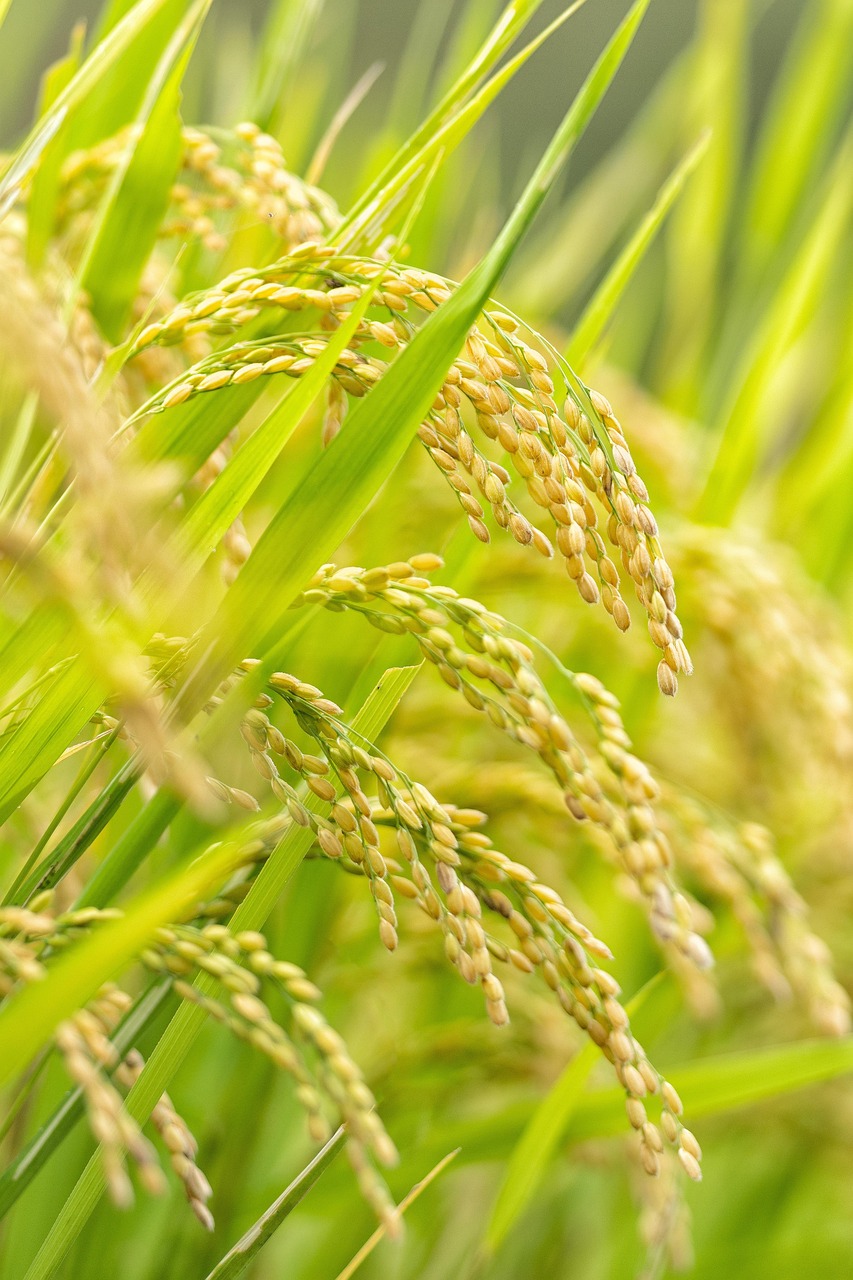
Discover sustainable agriculture strategies in America that incorporate biostimulants and innovative techniques to maximize your agricultural production.
Introduction to Sustainable Agriculture
Sustainable agriculture is an approach that seeks to balance agricultural production with environmental conservation. In America, this model is crucial given the population growth and pressure on natural resources. The implementation of biostimulants and innovative techniques allows farmers to improve the productivity of their crops while minimizing environmental impact.
Challenges of Conventional Agriculture
Conventional agriculture, characterized by intensive use of chemical inputs and unsustainable practices, has led to soil degradation, loss of biodiversity, and water pollution. According to the FAO, it is estimated that 33% of the world’s soils are degraded, which represents a significant challenge for future food security. This context highlights the urgent need to transition to more sustainable and regenerative agricultural practices.
The Ecological Footprint of Agriculture
Conventional agriculture not only affects soil quality but also significantly contributes to greenhouse gas emissions. A study by the Food and Agriculture Organization (FAO) reveals that agriculture accounts for approximately 10-12% of global greenhouse gas emissions. This includes the release of CO2, methane, and nitrous oxide, primarily due to excessive fertilization and the use of fossil fuels in agricultural machinery. Therefore, adopting sustainable practices is essential to mitigate climate change.
Importance of Biostimulants

Biostimulants are products that, when applied to crops, enhance plant growth and resistance to adverse conditions. According to recent studies, the use of biostimulants can increase nutrient absorption efficiency by 15-20% and improve yield by 12-25%. This is especially relevant in a context where farmers face challenges such as climate change and water scarcity.
Key Benefits of Biostimulants
- Improvement in Nutritional Efficiency: They increase the availability of nutrients in the soil and optimize their absorption by the roots. For example, the use of seaweed extracts has been shown to improve nitrogen assimilation in corn crops by 30%.
- Stress Resilience: They help plants withstand adverse conditions, such as droughts or pests. A study in tomato crops revealed that the use of microorganism-based biostimulants increased drought tolerance by 40%.
- Harvest Quality: They contribute to an improvement in the quality of fruits and their flavor. Research has shown that biostimulants can increase sugar content in fruits, enhancing their taste and commercial value.
- Reduction of Chemical Inputs: By improving soil health and plant resilience, the use of biostimulants can reduce reliance on chemical fertilizers and pesticides, thereby decreasing environmental impact.
- Stimulation of Soil Microbiome: Biostimulants can promote the growth of beneficial microorganisms in the soil, contributing to greater biodiversity and improving soil structure.
Types of Biostimulants
Biostimulants can be classified into several categories, including:
1. Beneficial Microorganisms: These include bacteria and fungi that improve soil health and promote plant growth. Examples are Rhizobium and Mycorrhizae, which facilitate nitrogen fixation and nutrient absorption, respectively. A study showed that inoculation with Mycorrhizae can increase yield in legume crops by 25%.
2. Plant Extracts: These biostimulants, derived from algae, fungi, or plants, contain bioactive compounds that stimulate growth and plant defense. For example, seaweed extracts are rich in plant hormones that favor root development and can increase biomass production by 20%.
3. Humic and Fulvic Acids: They improve soil structure and increase water retention, which is essential in arid regions. A study in arid soils showed that the application of humic acids can increase water retention in the soil by 30-40%.
Sustainable Agriculture Technologies
The adoption of digital and precision technologies is fundamental for sustainable agriculture in America. Tools such as geographic information systems (GIS) and drones allow for more efficient resource management.
Examples of Technologies and Their Impact
A report by the CEPAL and the FAO (2023) indicates that the use of precision technologies can increase agricultural productivity by 15-20% and reduce environmental impact by 10-30%. This is because farmers can apply inputs more efficiently and only where they are needed. Additionally, the use of monitoring technology allows for the identification of specific areas that need attention, avoiding over-application of fertilizers and pesticides.
Precision Agriculture Practices
- Satellite Monitoring: Allows for the detection of nutritional deficiencies and adjustment of fertilizer applications according to the specific needs of each crop. In the case of cotton, a 15% increase in yield has been reported due to precise nutrient application.
- Use of Drones: Facilitates the application of inputs and monitoring of crops with high precision. A study in corn crops in Mexico demonstrated that the use of drones for pesticide application reduced chemical use by 25%.
- Soil Sensors: Moisture and nutrient sensors allow farmers to know in real-time the conditions of the soil, optimizing irrigation and fertilization. This has led to a 30% reduction in water use in vegetable crops in Chile.
Regenerative Agricultural Practices
Regenerative practices are fundamental in sustainable agriculture as they seek to restore soil health and increase biodiversity. This includes crop rotation, agroforestry, and the establishment of flower borders.
Benefits of Regenerative Practices
Implementing these practices can lead to a 25% increase in biodiversity and an improvement in soil health, resulting in more resilient and productive crops in the long term. For example, crop rotation has been shown to increase the presence of beneficial microorganisms in the soil, improving nutrient availability and soil structure. A study in the United States showed that crop rotation over three years increased soil organic matter by 15%.
Agroforestry as a Strategy
Agroforestry combines trees and crops in the same system, which not only improves biodiversity but also aids in water conservation and erosion reduction. A study in Colombia showed that agroforestry systems increase productivity by 30% compared to conventional crops, in addition to providing shade and improving the microclimate for crops. This type of practice can reduce soil erosion by 60% on slopes, which is critical in landslide-prone regions.
Biochemical Mechanisms and Effects on Soil
Biostimulants act at the biochemical level, promoting processes that improve soil health and nutrient absorption by plants. For example, the application of beneficial microorganisms can increase nitrogen fixation in the soil by up to 50 kg N/ha/year.
The Science Behind Biostimulants
Biostimulants can induce the synthesis of plant hormones, such as auxins, which promote root growth and efficiency in nutrient absorption. This is crucial for maximizing yield under stress conditions. Additionally, biostimulants can activate the production of secondary metabolites that increase plant resistance to diseases. A study showed that plants treated with humic acid-based biostimulants exhibited a 30% increase in the production of phenolic compounds, enhancing their resistance to pathogens.
Impact on Soil Microbiota
The application of biostimulants also positively affects soil microbiota, increasing microbial diversity. A study conducted on wheat crops demonstrated that the application of fungus-based biostimulants increased microbial diversity by 40%, which is associated with better soil health and greater nutrient availability. Microbial diversity is critical for the resilience of the soil ecosystem, as diverse microorganisms can play complementary roles in the decomposition of organic matter and nutrient availability.
Implementation and Success Stories
The implementation of sustainable strategies in America has shown promising results. For example, the “Sustainable Agriculture in Action” project in Chile has demonstrated that the establishment of flower borders reduces pests by 18% and increases biodiversity by 25%.
Relevant Field Studies
In Brazil, the adoption of Bt corn has increased yields by 20-30%, while in Argentina, the use of transgenic soy has reduced pest losses by 40%. These cases illustrate how sustainable technologies and practices can significantly improve agricultural production. Additionally, in Peru, the implementation of drip irrigation systems has allowed farmers to increase their vegetable production by 50% while using 30% less water. A study in Ecuador also demonstrated that the implementation of soil conservation techniques, such as the use of cover crops, improved coffee production by 20%.
Success Stories in Biostimulants
A notable case is that of a farmer in Mexico who, after applying a seaweed extract-based biostimulant to his avocado crop, managed to increase his production by 35% and improve the quality of the fruits, obtaining a higher price in the market. This example demonstrates the potential of biostimulants to transform agriculture and contribute to sustainability. Another successful case was reported in Colombia, where a farmer applied a microorganism-based biostimulant to his coffee crop, achieving a 40% increase in coffee bean production and improved disease resistance, reducing the need for fungicides by 50%.
Challenges and Opportunities in the Implementation of Biostimulants
Despite the evident benefits of biostimulants, their adoption faces several challenges. The lack of knowledge and training among farmers regarding the use and application of these products may limit their implementation. Additionally, variability in the quality and composition of products in the market can create uncertainty about their effectiveness. However, these barriers also present opportunities for the development of education and training programs that can facilitate the adoption of biostimulants in agriculture.
Training and Agricultural Education
Proper training of farmers on the use of biostimulants is essential. Agricultural education programs that include practical workshops, field demonstrations, and technical advice can help farmers better understand how to apply these products and maximize their benefits. For example, in Costa Rica, a training program on the use of biostimulants in coffee crops resulted in a 30% increase in the adoption of these products and a 20% increase in crop productivity.
Research and Development of Products
Research and development of new biostimulant products are also crucial for the future of sustainable agriculture. Investing in research on the formulation and mechanisms of action of biostimulants can lead to more effective and specific products for different crops and agricultural conditions. A recent study in Argentina demonstrated that the development of a biostimulant based on microorganisms specific to soybean crops increased yield by 25%, highlighting the importance of research in this field.
Future of Sustainable Agriculture in America
The future of sustainable agriculture in America will depend on the integration of innovative and sustainable practices that allow farmers to adapt to environmental and economic changes. The combination of biostimulants, precision technologies, and regenerative practices can offer a comprehensive solution to increase productivity and sustainability in agriculture in the region.
Agricultural Policies and Sustainability
The implementation of agricultural policies that promote sustainability is essential. Governments can play a crucial role in promoting sustainable agricultural practices through economic incentives, subsidies, and research programs. For example, in Brazil, the government has implemented policies that support organic farming and the use of biostimulants, leading to a significant increase in the adoption of these practices by farmers.
Adaptation to Climate Change
Adaptation to climate change is one of the greatest challenges facing agriculture in America. The implementation of biostimulants and sustainable technologies can help farmers cope with adverse climatic conditions, such as droughts and floods. A study in Mexico showed that farmers who used biostimulants in their corn crops were able to maintain stable yields even during drought periods, increasing the resilience of their agricultural systems.
Promotion of Collaborative Research
Collaboration between universities, research centers, and the agricultural sector is essential to advance sustainable agriculture. Collaborative research programs can facilitate knowledge exchange and the creation of innovations that respond to local needs. For example, the biostimulant research program in Argentina, which involves several universities and agricultural cooperatives, has enabled the development of specific solutions for high-value crops such as grapes and olives, increasing their yield by 15%.
Integration of Traditional and Modern Practices
The integration of traditional agricultural practices with modern technologies can offer effective and sustainable solutions. Farmers who combine ancestral knowledge about crop management with new precision agriculture techniques have demonstrated increased sustainability in their practices. A study in Peru showed that communities that applied traditional agricultural techniques alongside modern biostimulants improved soil quality and increased corn production by 20%.
Related Articles
Need professional help?
At Ecoganic, we offer Biostimulants, Organic Fertilizers, Bioprotectors. Call us: +34 652 530 492.
Sustainable Agriculture Strategies for Services in America
Sustainable agriculture in America is based on practices that seek to maximize food production while minimizing environmental impact. According to the Food and Agriculture Organization (FAO), it is estimated that responsible agriculture can increase food production by 30% by 2050, which is crucial to meet the growing demand of a projected global population of 9.7 billion people.
A key strategy is the implementation of conservation tillage techniques. This includes practices such as crop rotation, which can increase soil biodiversity and reduce dependence on chemical fertilizers. Studies have shown that crop rotation can increase yield by 20-25% compared to monocultures, in addition to improving soil health in the long term.
Another practical recommendation is the use of biostimulants, which are natural products that promote plant growth and improve their resistance to adverse conditions. Research has shown that the use of biostimulants can increase the yield of certain crops by up to 15%, in addition to reducing the need for chemical inputs. Integrating biostimulants into agricultural practices can be an effective tool for sustainability and improving soil fertility.
Finally, education and training of farmers are essential for the adoption of sustainable practices. It is estimated that only 30% of farmers in America are familiar with sustainable agriculture techniques. Investing in education programs and accessible resources can increase this percentage and contribute to the transformation of the agricultural sector towards a more sustainable and economically viable model.
Related Articles
- Ecoganic
- Biostimulants for Corn that Improve Yield
- When and How to Apply Biostimulants in Tropical Corn
Frequently Asked Questions
What are biostimulants and how do they work?
Biostimulants are natural products that enhance plant growth and resistance, optimizing nutrient absorption and promoting soil health.
How can precision agriculture help farmers?
Precision agriculture allows for more efficient use of resources, increasing productivity and reducing costs through specific application of inputs.
What agricultural practices are considered regenerative?
Regenerative practices include crop rotation, agroforestry, and the establishment of flower borders, all focused on restoring soil health and increasing biodiversity.
What are the benefits of using biostimulants in crops?
Biostimulants improve nutritional efficiency, increase stress resistance, and can enhance harvest quality, resulting in higher yields.