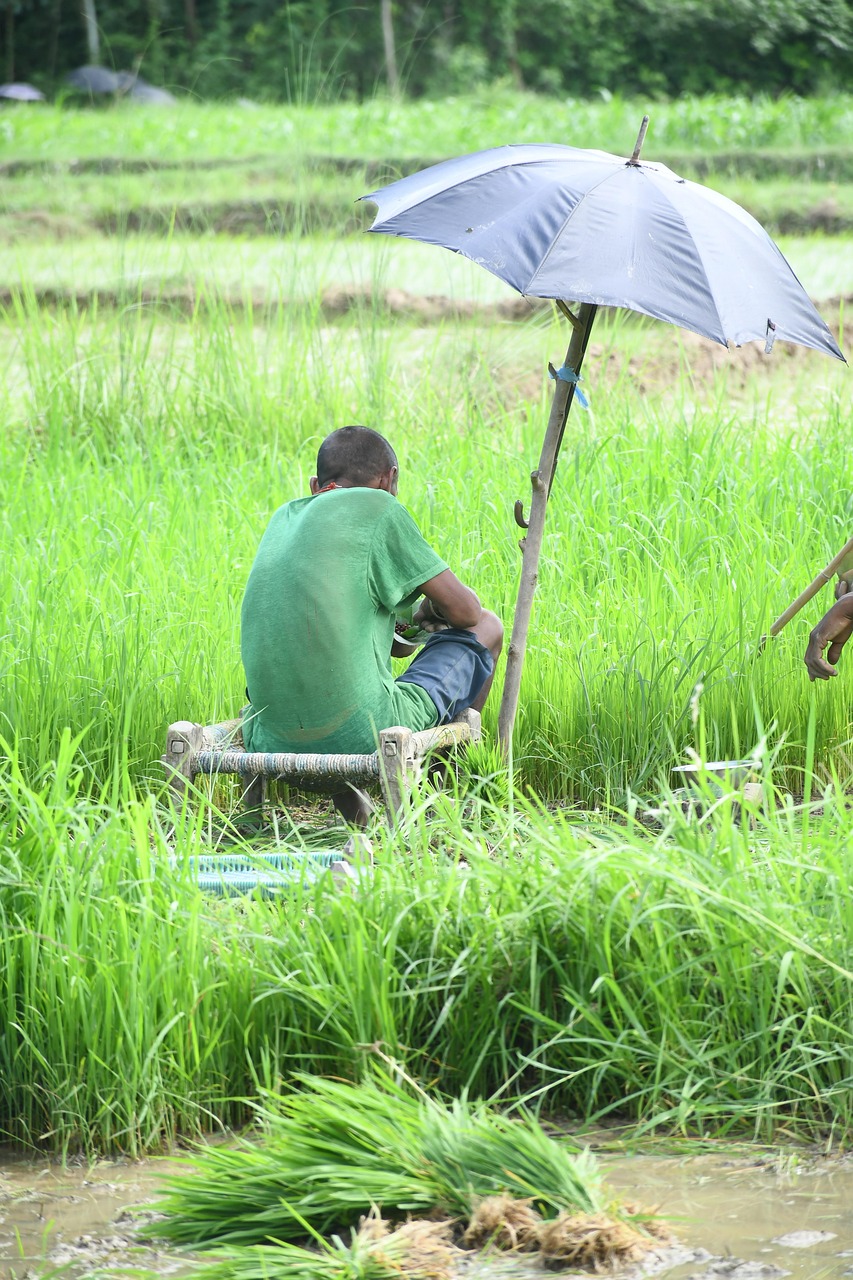
Explore how microbiology influences disease resistance in crops and optimize your agricultural production with sustainable and effective strategies.
Introduction to Microbiology in Agriculture
Microbiology plays a crucial role in modern agriculture, especially in disease resistance of crops. Microorganisms, such as bacteria and fungi, are essential for maintaining soil health and developing robust crops. In this article, we will explore how microbiology can influence disease resistance and how biostimulants can be a key tool for farmers.
The Role of Microorganisms in Crop Health
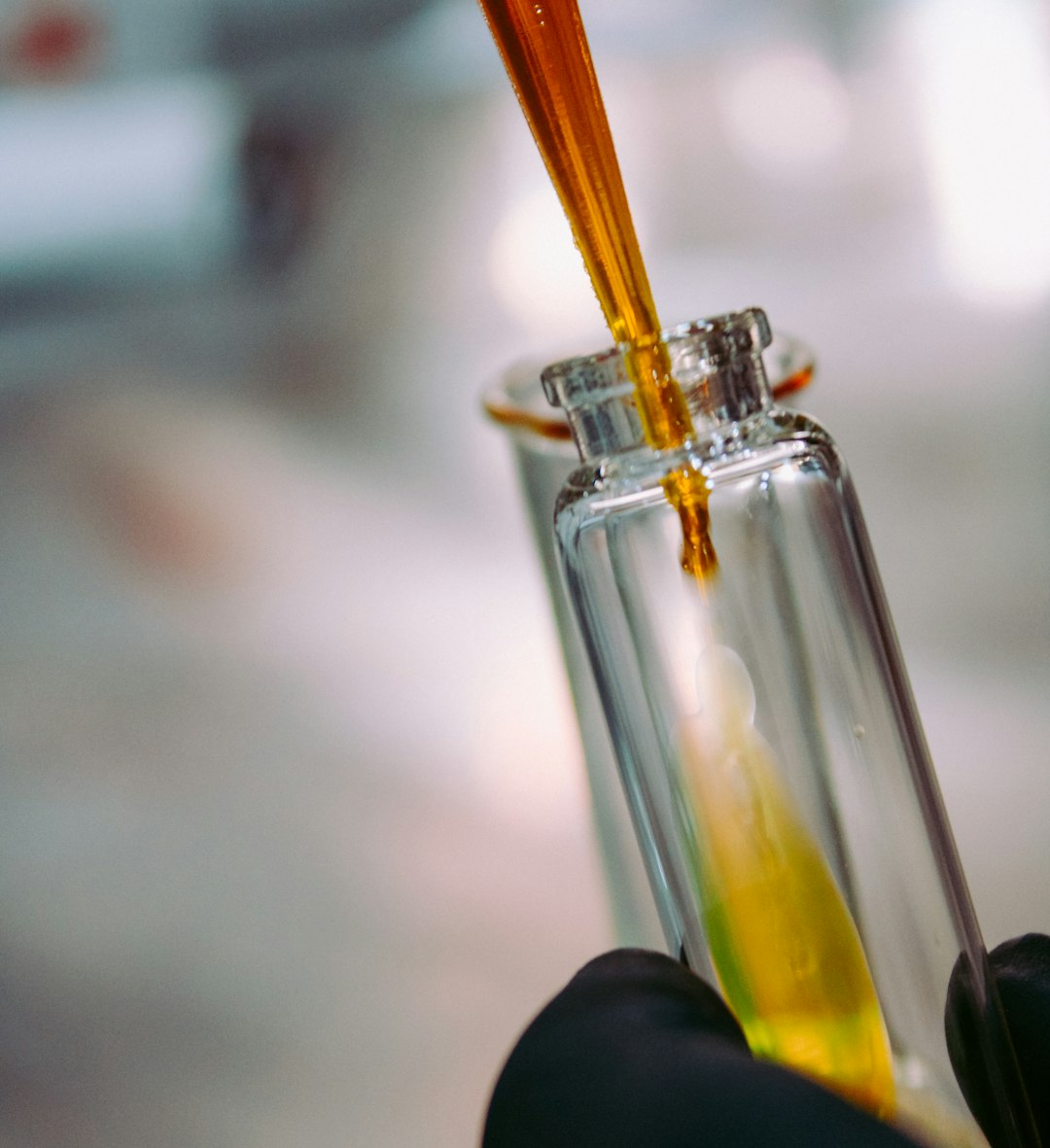
Soil microorganisms, including beneficial microorganisms, are fundamental to crop health. They act on multiple levels, from improving soil structure to promoting plant growth. Many of these microorganisms are capable of establishing symbiosis with plant roots, allowing them to:
- Improve nutrient absorption: Microorganisms such as mycorrhizae facilitate the absorption of phosphorus and other essential nutrients.
- Protect against pathogens: Some bacteria and fungi can inhibit the growth of soil pathogens, providing a natural defense for plants.
- Stimulate growth: Biostimulants containing microorganisms can increase the growth rate and improve resistance to adverse conditions.
Microorganisms that Strengthen Resistance
Among the most notable microorganisms that contribute to disease resistance are:
- Bacillus genus bacteria: Known for their ability to produce natural antibiotics that combat pathogens. For example, Bacillus subtilis not only acts against phytopathogenic fungi but also stimulates the production of phytoalexins in plants, compounds that act as defense against infections. A study demonstrated that the application of Bacillus amyloliquefaciens reduced the incidence of diseases in cucumber crops by 40%.
- Fungi from the Trichoderma family: Act as bioprotectors, improving soil health and increasing plant resistance to diseases. It has been shown that Trichoderma harzianum can reduce the incidence of diseases such as Fusarium wilt by 50% in tomato crops. Additionally, this fungus improves nutrient availability by solubilizing phosphorus, contributing to healthy plant growth.
- Actinobacteria: They are essential for the degradation of organic matter and improve nutrient availability. It has been observed that Streptomyces, a genus of actinobacteria, produces antimicrobial compounds that help protect crops from soil diseases. In one study, the application of Streptomyces griseus showed a 30% reduction in disease incidence in corn crops.
Mechanisms of Action of Microorganisms
Beneficial microorganisms act through several mechanisms that strengthen plant resistance to diseases:
- Competition: They compete with pathogens for space and resources, limiting their proliferation. This competition can reduce the pathogen load in the soil, resulting in a lesser impact on plant health.
- Production of secondary metabolites: They generate bioactive compounds that can be toxic to pathogens or stimulate the natural defenses of plants. For example, some microorganisms produce siderophores, which are compounds that sequester iron, limiting its availability to pathogens.
- Induction of systemic resistance: The colonization of roots by beneficial microorganisms can activate defensive responses throughout the plant, increasing its ability to resist diseases. This phenomenon is known as systemic acquired resistance (SAR) and can be triggered by the application of certain biostimulants.
Interaction between Microorganisms and Plants
The interaction between microorganisms and plants is fundamental for the development of a sustainable agricultural system. For example, mycorrhizae not only facilitate nutrient absorption but also improve resistance to water and salt stress. In a study conducted in saline soils, it was observed that plants inoculated with mycorrhizae showed a 35% increase in biomass compared to non-inoculated ones. This is because mycorrhizae help plants access water and nutrients in soil areas that would otherwise be out of reach.
Furthermore, the establishment of symbiotic relationships with microorganisms can induce changes in the genetic expression of plants, which in turn can increase their capacity to resist diseases. For example, inoculation with Arbuscular Mycorrhizal Fungi has been shown to increase the expression of defense-related genes in tomato plants, resulting in greater resistance to pathogens such as Phytophthora.
Biostimulants and Their Relationship with Disease Resistance
Biostimulants are products that contain microorganisms or bioactive compounds that help improve plant health. These products not only promote growth but also increase disease resistance. Below, we will examine how biostimulants can be used in agriculture to enhance soil microbiology and improve crop health.
Types of Biostimulants
Biostimulants can be classified into several categories:
- Microbiological: They contain live microorganisms that promote plant development. For example, Rhizobium inoculants are used in legumes to increase nitrogen fixation, improving growth and soil health. Studies have shown that inoculation with Rhizobium leguminosarum can increase legume yield by 25%.
- Based on natural extracts: They include extracts from algae, humates, and other organic compounds that stimulate growth. Algal extracts, such as Sargassum, have been shown to increase resistance to water stress in corn crops by promoting antioxidant activity in plants. Additionally, these extracts have been observed to improve photosynthetic activity, contributing to more vigorous growth.
- Amino acids: These compounds are essential for plant growth and can help with stress resistance. The application of amino acids such as glycine has been shown to improve resistance to fungal diseases in pepper crops, increasing the production of defensive secondary metabolites by 20%.
- Humic and fulvic acids: These organic compounds derived from the decomposition of organic matter help improve soil structure and increase nutrient availability. It has been demonstrated that the application of humic acids improves phosphorus absorption by 50%, which is crucial for the development of healthy and disease-resistant plants.
Case Studies
Several studies have demonstrated the effectiveness of biostimulants in improving disease resistance. For example, research conducted on tomato crops showed that the application of a biostimulant based on Bacillus subtilis reduced the incidence of foliar diseases by 30% compared to the control. Another study in rice crops showed that the application of an algal extract-based biostimulant improved resistance to rice rust, increasing yield by 15%. In strawberry crops, the use of a biostimulant based on Trichoderma resulted in a 40% increase in yield and a significant reduction in the incidence of fungal diseases.
Additionally, a study conducted on cucumber crops demonstrated that the application of a biostimulant containing a mixture of microorganisms improved disease resistance by 35%, while also increasing total production by 20%, highlighting the importance of these products in modern agriculture.
Application of Biostimulants in the Field
To obtain the maximum benefits from biostimulants, their proper application is crucial. For example, microbiological biostimulants should be applied at early stages of plant growth to effectively colonize the roots. In vegetable crops, foliar application of amino acid-based biostimulants during periods of water stress has been shown to significantly improve plant health and yield. In a field trial, the application of a biostimulant during the flowering phase in cucumber crops resulted in a 25% increase in fruit production, along with better disease resistance.
The application of biostimulants should also take into account climatic and soil conditions. For example, in soils with high salinity, it has been observed that the application of microorganism-based biostimulants can improve plant tolerance to salt stress, resulting in greater survival and yield in adverse situations.
Sustainable Agricultural Practices to Enhance Microbiology
To maximize the benefits of microbiology in agriculture, it is essential to adopt sustainable practices that promote a healthy ecosystem in the soil. Some of these practices include:
- Crop rotation: Helps maintain microbial diversity and prevents the accumulation of specific pathogens. A study in soybean production showed that rotation with corn decreased soil disease pressure by 40%. Rotation can also improve soil structure and increase nutrient availability.
- Use of cover crops: Protect the soil and encourage microbial activity during inactive months. Cover crops like rye not only prevent erosion but also increase microbial biomass in the soil. Research has shown that cover crops can increase the population of beneficial microorganisms by 60% compared to uncovered soils.
- Application of compost: Enriched with microorganisms, it improves soil health and crop resistance. Incorporating compost into vegetable crops has been shown to increase microbial diversity and reduce disease incidence by 25%. Additionally, compost can improve moisture retention and the cation exchange capacity of the soil, favoring plant growth.
- Water conservation: Proper water management is crucial for maintaining soil microbiology. Techniques such as conservation agriculture, which includes the use of drip irrigation and rainwater harvesting, can reduce erosion and improve soil microbial activity, which in turn benefits crop health.
Benefits of Sustainable Agriculture
Implementing sustainable practices not only improves soil health but also reduces dependence on chemical products, promoting a healthier environment for crops and the ecosystem as a whole. Additionally, sustainable agriculture can increase biodiversity, which in turn can contribute to better biological control of pests and diseases. Studies have shown that sustainable agricultural systems can be up to 30% more productive in terms of long-term yield compared to conventional systems that heavily rely on chemical inputs.
Monitoring and Evaluation of Soil Health
To ensure the success of sustainable agricultural practices, it is important to carry out regular monitoring of soil health. This includes microbiological analyses that assess the diversity and abundance of beneficial microorganisms. Studies have shown that soils with greater microbial diversity have a better capacity to resist diseases. For example, the use of DNA sequencing techniques has allowed the identification of specific microbial communities that are indicative of healthy and productive soil. Furthermore, monitoring parameters such as organic matter, moisture, and enzymatic activity can provide valuable information about soil health.
Periodic evaluation of soil microbiology can help farmers adjust their management practices and improve the overall health of the agricultural ecosystem. For example, implementing soil analyses each season can provide data on the effectiveness of composting practices and the application of biostimulants, allowing farmers to make informed adjustments to maximize productivity and sustainability.
Education and Training of Farmers
Continuous education and training of farmers are essential for the adoption of agricultural microbiology practices. Training programs that address the use of biostimulants and sustainable management techniques can raise awareness of the benefits of microbiology in agriculture. The implementation of practical workshops and the creation of farmer networks can facilitate the exchange of knowledge and experiences, thereby improving disease resistance in crops. For example, initiatives in farming communities have resulted in a 50% increase in the adoption of sustainable practices after training.
Additionally, collaboration with universities and research centers can provide farmers access to the latest scientific information and emerging technologies that can improve soil health and crop resistance. This may include participation in field trials and the implementation of new management techniques that have proven effective in recent studies.
Research and Development in Agricultural Microbiology
Research in agricultural microbiology is constantly evolving, and new technologies are being developed to improve disease resistance. Research projects are exploring the use of microorganism-based biopesticides and the genetic modification of microbial strains to enhance their effectiveness. For example, studies are being conducted on the use of Bacillus thuringiensis as an effective biopesticide against specific pests, which also helps reduce disease pressure in crops. Additionally, research on the application of microbial consortia has shown promising results, increasing the effectiveness of biostimulants by 20% compared to the application of a single microorganism.
Furthermore, new synthetic biology techniques are being developed that allow the creation of microorganisms designed to improve soil health and plant resistance. These advances could revolutionize the way crops and soil health are managed, allowing for a more precise and effective approach to sustainable agriculture.
Related Articles
Need professional help?
At Ecoganic in Spain, Europe, we offer Biostimulants, Organic Fertilizers, Bioprotectors. Call us: +34 652 530 492.
Frequently Asked Questions
What is agricultural microbiology?
Agricultural microbiology is the study of microorganisms that interact with plants and soil, and how they affect crop health and agricultural productivity.
How do biostimulants help improve disease resistance?
Biostimulants, by introducing microorganisms or bioactive compounds, can increase the resistance of plants to diseases by improving their overall health and promoting a more robust immune system.
What agricultural practices are recommended to enhance soil microbiology?
Practices such as crop rotation, the use of cover crops, and the application of compost are highly effective for improving soil microbiology and, therefore, crop health.
How can I choose the right biostimulant for my crops?
It is important to consider the specific needs of your crops, the type of soil, and the climatic conditions. Consult an agronomist for guidance on the most suitable products.
Where can I find more information about biostimulants and agricultural microbiology?
You can visit the Ecoganic website to access resources and articles on biostimulants and sustainable practices in agriculture.
Microbiology and its effect on disease resistance
Soil microbiology plays a crucial role in plant health and its resistance to diseases. Various studies have shown that adequate microbial diversity can reduce the incidence of pathogens by 30-50%. Beneficial microorganisms, such as bacteria and fungi, can compete with pathogens for resources and space, inhibiting their proliferation.
Furthermore, certain microorganisms produce metabolites that act as antimicrobial agents, contributing to the natural defense of plants. For example, the presence of Bacillus subtilis has shown a 40% reduction in the incidence of fungal diseases in vegetable crops. This underscores the importance of fostering microbial biodiversity in the soil to improve disease resistance.
To maximize the benefits of microbiology in agriculture, it is recommended to implement practices such as crop rotation, incorporation of organic matter, and the use of specific biostimulants that promote the growth of beneficial microorganisms. These strategies not only improve soil health but also optimize crop yield and reduce dependence on chemical pesticides.
Related Articles
- Ecoganic
- Use of Probiotics to Improve Soil in Greenhouses
- Luxury Reforms: Acoustics and Insulation in Premium Homes
Frequently Asked Questions
What is agricultural microbiology?
Agricultural microbiology is the study of microorganisms that interact with plants and soil, and how they affect crop health and agricultural productivity.
How do biostimulants help improve disease resistance?
Biostimulants, by introducing microorganisms or bioactive compounds, can increase the resistance of plants to diseases by improving their overall health and promoting a more robust immune system.
What agricultural practices are recommended to enhance soil microbiology?
Practices such as crop rotation, the use of cover crops, and the application of compost are highly effective for improving soil microbiology and, therefore, crop health.
How can I choose the right biostimulant for my crops?
It is important to consider the specific needs of your crops, the type of soil, and the climatic conditions. Consult an agronomist for guidance on the most suitable products.
Where can I find more information about biostimulants and agricultural microbiology?
You can visit the Ecoganic website to access resources and articles on biostimulants and sustainable practices in agriculture.