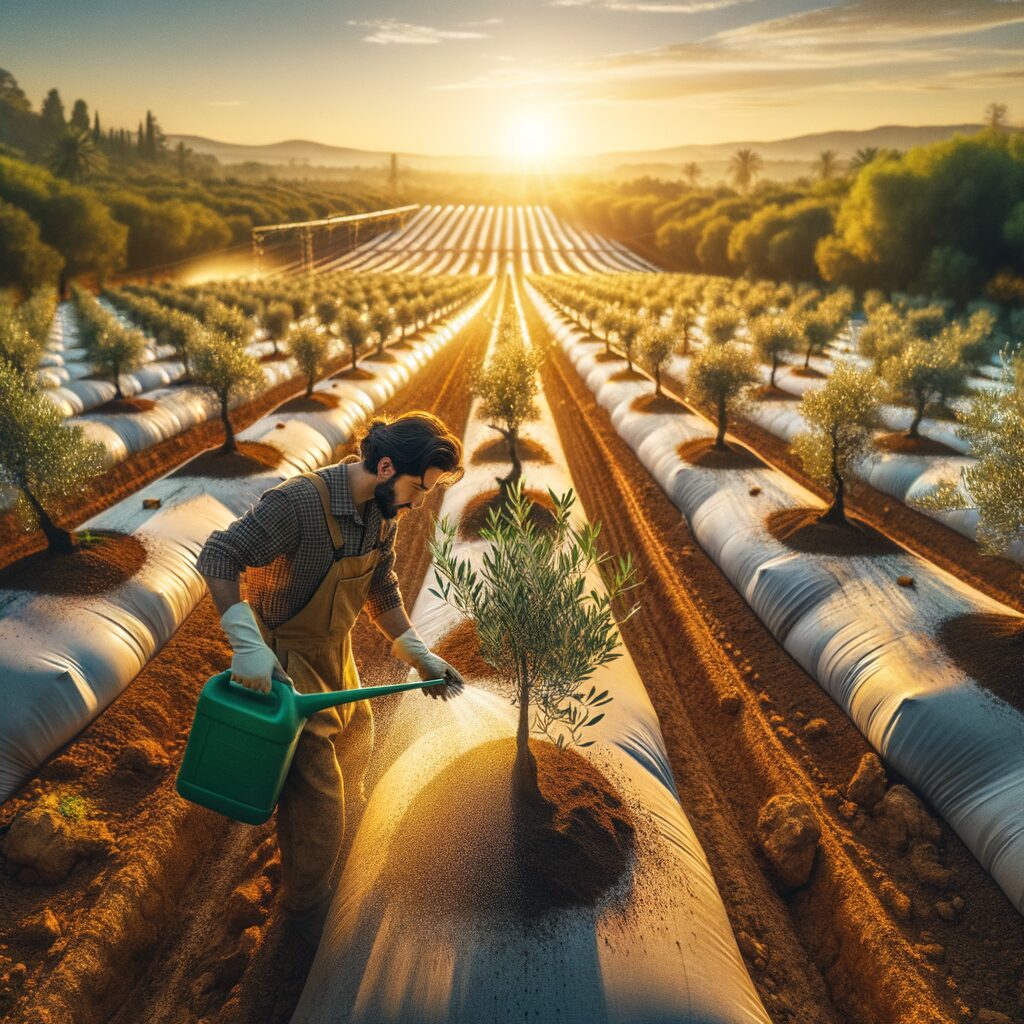
Discover the mechanisms of action in the water stress of the olive tree and how biostimulants can enhance its resistance and health. Learn more here!
Introduction
The olive tree (Olea europaea) is an emblematic crop in Spain and other Mediterranean regions, recognized for its resistance to adverse conditions, including water stress. However, climate change and variability in precipitation have increased the incidence of droughts, negatively affecting yield and quality of harvests. Understanding the mechanisms of action in the water stress of the olive tree is essential for developing effective strategies that optimize its production and sustainability.
Importance of Water Stress
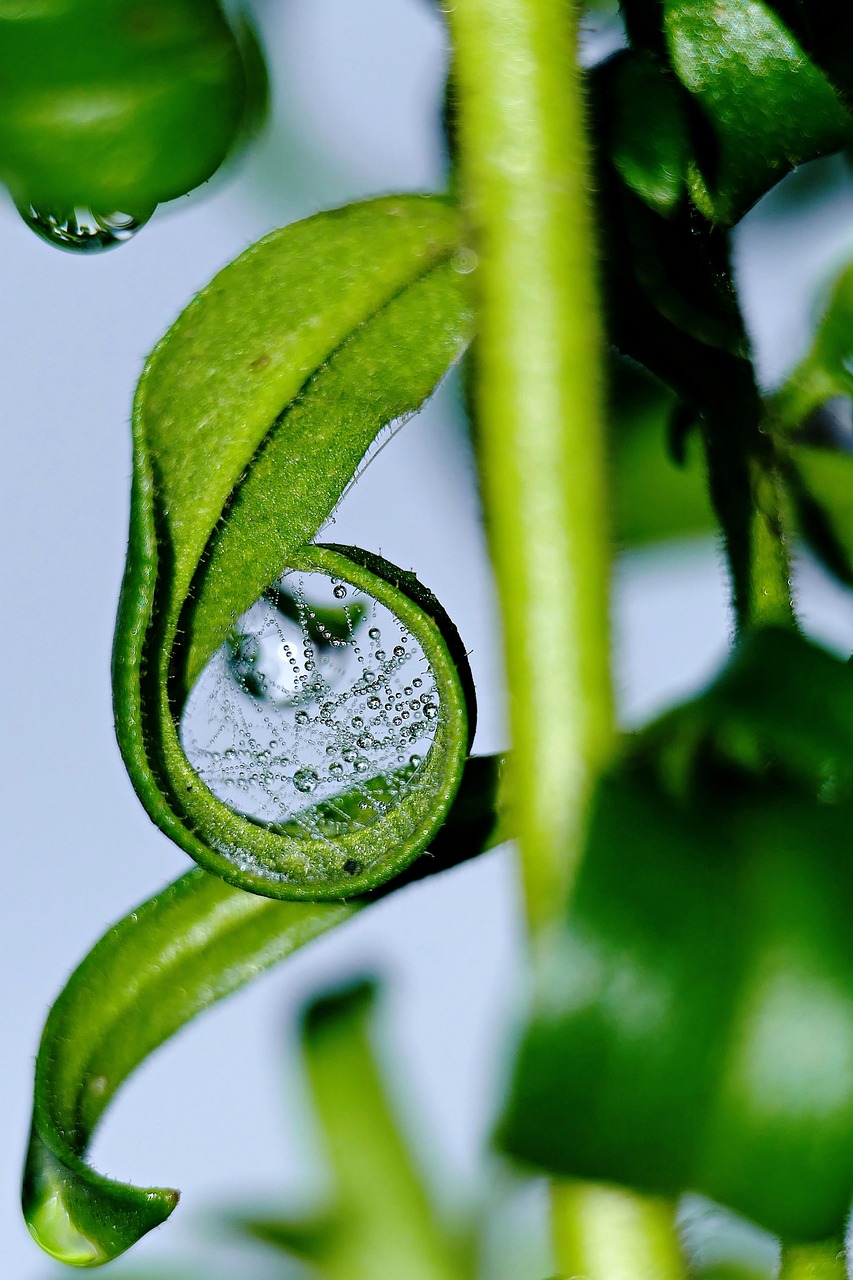
Water stress occurs when the availability of water is insufficient to meet the physiological needs of the plant. In the olive tree, this phenomenon can lead to a series of physiological responses that impact growth and production. During drought periods, the olive tree may experience:
- Reduction of photosynthesis: Lack of water causes the stomata to close, limiting the entry of CO2 and reducing photosynthetic activity. Studies have shown that under severe drought conditions, the rate of photosynthesis can decrease by up to 50% compared to optimal conditions.
- Increased accumulation of osmoprotective compounds: Plants can accumulate sugars and other metabolites to maintain cell turgor. For example, the increase of proline and mannitol can occur in concentrations of up to 200 mM under stress conditions.
- Alterations in nutrient absorption: Decreased root activity can limit the absorption of essential nutrients. Research has shown that water deficiency can reduce nitrogen uptake by 30%.
Mechanisms of Action
Physiological Responses
Olive plants have developed several mechanisms to adapt to water stress:
- Regulation of stomatal closure: By closing the stomata, plants minimize water loss, although this also limits photosynthesis. This process is mediated by the hormone abscisic acid (ABA), which increases in response to water deficit, inducing stomatal closure and helping to conserve water. It has been shown that the application of exogenous ABA can improve tolerance to water stress, increasing water use efficiency. Under severe stress conditions, the use of ABA has been shown to increase water use efficiency by 40% compared to untreated plants.
- Accumulation of solutes: Olive trees can accumulate solutes such as mannitol and proline, which help maintain osmotic pressure and cell integrity. The accumulation of these compounds can be crucial for survival under drought conditions, as they contribute to the stabilization of proteins and cell membranes. Research has indicated that proline levels can increase up to five times under severe stress. One study revealed that the application of biostimulants that induce proline synthesis can increase its concentration by 300%, significantly improving tolerance to water stress.
- Development of deep root systems: Olive trees can develop deeper roots to access underground water sources. This is vital, as it has been observed that olive trees can have roots that reach depths of up to 10 meters, allowing them to access water that other plants cannot. A specific study showed that the root system of olive trees can expand by up to 40% in response to drought conditions. Furthermore, research has indicated that root density can increase by 50% in dry soils, demonstrating the olive tree’s adaptability.
Morphological Adaptations
In addition to physiological responses, the olive tree exhibits morphological adaptations that allow it to survive under water stress conditions:
- Small and waxy leaves: This feature reduces the transpiration surface, decreasing water loss. The waxy cuticle of the leaves can be up to 50% thicker in olive trees grown under water stress conditions. Additionally, the angle of the leaves can change to reduce direct exposure to the sun, further decreasing transpiration. This adaptation has been found to reduce transpiration by 20-30% compared to olive trees with larger and less waxy leaves.
- Extensive roots: The root system of the olive tree extends widely to maximize water uptake. This not only allows for better water absorption but also aids in nutrient absorption, which is essential for the healthy growth of the plant. A recent study showed that root density in olive trees can significantly increase in soils with low water availability, evidencing an adaptation to the environment. Under optimal conditions, the total length of the root system can exceed 100 meters in a single tree, which is fundamental for seeking water during drought periods.
Interaction with the Soil Microbiome
Another important aspect of the olive tree’s adaptation to water stress is its interaction with the soil microbiome. Mycorrhizae, which are symbiotic associations between fungi and plant roots, can significantly enhance the plants’ ability to absorb water and nutrients. It has been shown that mycorrhizal olive trees can increase their water retention capacity in the soil by up to 30% compared to those that are not mycorrhizal. Additionally, these associations can help increase resistance to pathogens and improve overall soil health. For example, inoculation with Glomus spp. has shown a 25% increase in phosphorus absorption efficiency under water stress conditions. Furthermore, a recent study revealed that olive trees grown in soils treated with mycorrhizae exhibited a 20% increase in olive production, highlighting the importance of these interactions in crop productivity.
Hormonal Regulation
Plant hormones play a crucial role in the olive tree’s response to water stress. Abscisic acid (ABA) is the main hormone involved in the response to water stress, acting as a signaling molecule that induces stomatal closure and promotes the accumulation of osmoprotective solutes. Additionally, other hormones such as ethylene and cytokinins have also been found to be involved in stress adaptation, although their role is less direct. For example, ethylene can regulate leaf senescence under stress conditions, while cytokinins can help maintain metabolic activity in unfavorable situations. A recent study has demonstrated that the balance between ABA and cytokinins can determine the sensitivity of olive plants to water stress. Under drought conditions, a 15% increase in ABA levels can reduce stomatal opening by 50%, limiting water loss but also photosynthesis, creating a delicate balance that plants must manage.
Role of Biostimulants
Biostimulants are products derived from natural substances that promote plant growth and resistance. In the case of the olive tree, biostimulants can play a crucial role in mitigating water stress:
- Improvement of water absorption: Some biostimulants can increase the soil’s water retention capacity and improve root system activity. For example, seaweed extracts have been shown to improve soil structure and water retention capacity, resulting in an increase of up to 25% in water availability for plants. Additionally, the application of chitosan-based biostimulants has been shown to increase the activity of enzymes related to water absorption in the roots. Studies have indicated that the application of chitosan can increase aquaporin enzyme activity by 40%, facilitating water absorption under drought conditions.
- Increased stress tolerance: Biostimulants promote the production of osmoprotective compounds, enhancing the plant’s ability to tolerate adverse conditions. A recent study showed that the application of an amino acid-based biostimulant can increase proline levels in olive leaves, contributing to greater resistance to water stress. In field trials, it was observed that the use of these biostimulants resulted in a 15-20% increase in biomass during drought periods. Furthermore, it has been shown that seaweed-based biostimulants can increase the synthesis of antioxidants such as glutathione, which protects cells from oxidative damage during water stress.
- Optimization of nutrition: By improving nutrient availability, biostimulants contribute to healthier and more robust growth. Research has indicated that the use of biostimulants can increase the availability of nitrogen and phosphorus in the soil, which is essential for the optimal development of olive plants. One study demonstrated that the application of microorganism-based biostimulants increased nitrogen assimilation by 28% under water stress conditions. This translates into more vigorous growth and a greater capacity for recovery after drought periods.
Examples of Biostimulants in Olive Cultivation
There are several types of biostimulants on the market that have proven effective in olive cultivation. For example, biostimulants based on seaweed extracts, such as Ascophyllum nodosum, have shown positive results in improving resistance to water stress. In field trials, it has been observed that the application of these biostimulants can increase yield by 15-20% under moderate drought conditions. Another type of biostimulant that has gained popularity contains beneficial microorganisms, such as certain strains of Bacillus and Pseudomonas. These microorganisms not only help improve soil health but can also enhance the plants’ ability to withstand water stress by increasing nutrient availability and improving soil structure. It has been reported that inoculation with Bacillus subtilis can increase olive yield by 30% under drought conditions. Additionally, the use of amino acid-based biostimulants has been shown to promote the synthesis of key proteins that are essential for stress adaptation, increasing antioxidant production by 35%.
Practical Value Section
To implement efficient strategies in managing water stress in olive trees, consider the following recommendations:
- Application of biostimulants: Use natural origin biostimulant products to improve resistance to water stress. Make applications at the beginning of the growing season and during drought periods to maximize their effectiveness. A dose of 2-3 liters per hectare is recommended for foliar applications and 5-10 liters per hectare for soil applications, depending on the type of biostimulant used. Additionally, foliar application during high evaporation moments can result in a 20% improvement in water use efficiency.
- Monitoring soil moisture: Implement irrigation technologies that allow for adjusting water application according to crop needs. The use of soil moisture sensors can help optimize irrigation, reducing costs and improving plant health. Installing tensiometers at different soil depths can provide valuable information about the crop’s water status. It has been demonstrated that using these technologies can reduce irrigation by 30%, resulting in significant water and cost savings.
- Promoting biodiversity: Maintaining a diversity of crops and companion plants can improve soil health and water retention. Including cover crops can increase soil organic matter and improve its capacity to retain water. For example, using legumes as cover crops can increase nitrogen content in the soil, thus benefiting the olive tree. One study has shown that rotating with cover crops can increase soil organic matter by 15%, which in turn improves moisture retention.
Efficient Irrigation Practices
Implementing efficient irrigation techniques is crucial in managing water stress in olive trees. The use of drip irrigation systems is recommended, as they allow for precise water application directly to the root zone, minimizing evaporation and runoff. Studies have shown that drip irrigation can reduce water consumption by 30-50% compared to sprinkler irrigation. Additionally, scheduling irrigation based on evapotranspiration can help optimize water use, adjusting the amount applied according to climatic conditions and the specific needs of the plants. Implementing an automated irrigation system that adjusts the frequency and duration of irrigation based on soil moisture can result in more efficient water use. For example, it has been demonstrated that using scheduled irrigation can increase water use efficiency by 25%, ensuring that plants receive the right amount of water at the right time.
Importance of Water Stress Management
Effective management of water stress not only impacts olive production but also has significant economic implications for farmers. Under stress conditions, olive yields can decrease drastically, affecting the profitability of the crop. For example, it has been estimated that a 20% reduction in olive production can result in economic losses of up to 1,000 euros per hectare, depending on market conditions. Therefore, implementing management strategies that include the use of biostimulants and efficient irrigation practices becomes crucial not only for the sustainability of the crop but also for the economic viability of producers.
Client Decisions
Farmers and agricultural professionals should consider integrating biostimulants as part of their agronomic management program. By adopting these strategies, they can:
- Increase water use efficiency: Improve the plants’ ability to utilize available water. This translates into greater resilience to drought conditions, allowing olive trees to maintain their production in years of water scarcity.
- Enhance harvest quality: Promote more balanced and healthy growth of the olive tree. The use of biostimulants can result in an increase in the quality of olive oil, with a higher content of polyphenols and antioxidants. Studies have shown that the application of biostimulants can increase the polyphenol content in olive oil by 20-30%.
- Reduce costs: Minimize dependence on excessive irrigation and improve long-term profitability. Investment in biostimulants and efficient irrigation technologies can result in significant operational cost savings. An economic analysis has shown that the return on investment in biostimulants can be as high as 3:1 in olive crops. This means that for every euro invested in biostimulants, farmers can expect a return of three euros in production and quality.
Related Articles
Need professional help?
At Ecoganic in Spain, Europe, we offer advanced agricultural solutions, organic fertilizers, bioprotectants. Call us: +34 652 530 492.
Conclusion and CTA
The mechanisms of action in the water stress of the olive tree are complex, but with the use of biostimulants, results in agriculture can be optimized. If you want to improve the water stress resistance of your crops, contact us at Ecoganic for more information about our biostimulants and how they can help you in your agricultural production in Spain.
Related Articles
- Ecoganic
- Effect of Biostimulants on Olive Sprouting
- Effect of Biostimulants on Olive Yield