
Discover the use of bioprotectors in coffee crops in Latin America and optimize your agricultural production with sustainable and effective solutions. Contact us!
Introduction
Coffee is one of the most important crops in Latin America, not only for its economic value but also for its social and cultural impact. However, coffee crops face numerous challenges, including pests, diseases, and adverse weather conditions. To address these issues sustainably, the use of bioprotectors has become a promising alternative.
Bioprotectors are products that use microorganisms or natural extracts to prevent diseases and pests in crops. Through this article, we will explore how bioprotectors can optimize coffee crops in Latin America, providing both economic and ecological benefits.
Benefits of Bioprotectors in Coffee
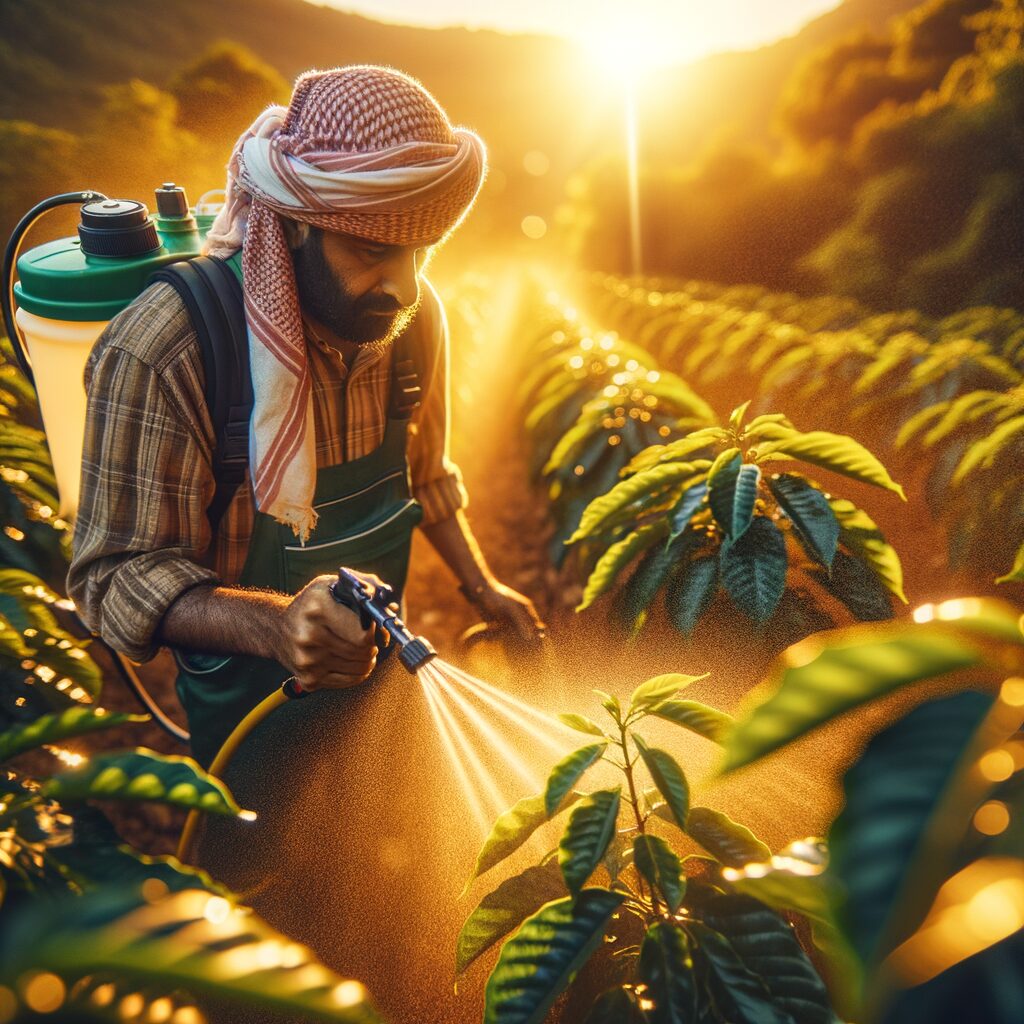
Bioprotectors offer a range of advantages in coffee cultivation, including:
- Reduction of Pests and Diseases: Bioprotectors help control pathogens and pests, reducing dependence on chemical pesticides.
- Increase in Sustainability: By opting for bioprotectors, farmers can improve the health of the soil and biodiversity in their crops.
- Improvement in Coffee Quality: Bioprotectors contribute to the production of higher quality coffee beans, which can translate into better prices in the market.
- Adaptation to Climate Changes: Some bioprotectors can help plants withstand adverse weather conditions, increasing their resilience.
Impact on Soil Health
The use of bioprotectors also has a significant impact on soil health. For example, bioprotectors can increase the activity of beneficial microorganisms in the soil, improving soil structure and its ability to retain water. Studies have shown that the application of bioprotectors can increase microbial activity in the soil by up to 50%, contributing to a more balanced and healthy ecosystem.
Applications of Bioprotectors in Coffee Crops
The application of bioprotectors in coffee crops can be done in various ways:
1. Foliar Treatments
Bioprotectors can be applied directly to the coffee leaves to protect against fungi and bacteria. This method is effective in preventing the onset of diseases such as coffee rust.
1.1 Mechanisms of Action
Foliar bioprotectors typically contain microorganisms such as Bacillus subtilis and Trichoderma spp., which act through various mechanisms. For example, Bacillus subtilis produces secondary metabolites that inhibit the growth of pathogenic fungi, while Trichoderma spp. can colonize plant tissue, creating a physical barrier against infections. Additionally, these microorganisms can induce systemic acquired resistance (ISR) in plants, making them more resistant to future pathogen attacks.
1.2 Practical Example
In Colombia, a bioprotector based on Bacillus subtilis has been used in foliar treatments with an application frequency of every 15 days. The results showed a 60% reduction in the incidence of coffee rust compared to conventional treatments. This translated into a 20% increase in harvest yield, representing a significant economic benefit for producers.
2. Soil Applications
Bioprotectors can also be incorporated into the soil, promoting root health and improving nutrient absorption. This is especially useful in degraded soils.
2.1 Effect on Soil Microbiota
The incorporation of bioprotectors into the soil not only improves plant health but also promotes the development of a more diverse and balanced soil microbiota. Studies have shown that the use of bioprotectors such as Mycorrhizae and nitrogen-fixing bacteria can increase nutrient availability by up to 40%. This improvement in microbiota is also associated with greater biological activity in the soil, contributing to the long-term sustainability of coffee cultivation.
2.2 Practical Example
In Brazil, a bioprotector application program has been implemented in the soil that includes Mycorrhizae and Azospirillum. Farmers reported a 25% increase in crop yields after two growing cycles, as well as a noticeable improvement in soil quality. Laboratory analyses showed an increase in soil organic matter and a reduction in compaction, which favored root growth.
3. Seed Treatment
Treating coffee seeds with bioprotectors can help improve germination and confer pest resistance from the start of growth.
3.1 Benefits of Seed Inoculation
Seed inoculation with bioprotectors can result in a germination rate up to 15% higher. Additionally, treated seedlings often show more vigorous growth and greater resistance to diseases such as anthracnose and root rot. This is because bioprotectors can stimulate the production of phytohormones that promote plant growth and health.
3.2 Practical Example
In Ecuador, a bioprotector based on Trichoderma harzianum has been used for coffee seed inoculation. The results showed that treated seedlings reached a height of 30 cm in 3 months, compared to 22 cm for untreated seedlings. Additionally, the treatment reduced disease incidence by 45%, allowing farmers to achieve a healthier and more productive harvest.
4. Combination with Fertilizers
Integrating bioprotectors with organic fertilizers can enhance the effects of both, promoting healthy and sustainable crop development.
4.1 Synergy between Bioprotectors and Fertilizers
Bioprotectors can improve nutrient bioavailability when combined with fertilizers. For example, the joint application of bioprotectors and compost-based fertilizers can increase phosphorus absorption by 30%. This is because the microorganisms present in bioprotectors can solubilize phosphorus, making it more accessible to plant roots.
4.2 Practical Example
In Honduras, a fertilization program has been implemented that includes bioprotectors along with organic fertilizers. Farmers noticed a 20% increase in coffee yield, as well as an improvement in grain quality, which translated into better prices in the market. Additionally, a reduction in the application of chemical fertilizers was observed, contributing to the sustainability of the crop.
Success Cases in Latin America
Several farmers in Latin America have implemented bioprotectors with positive results:
- Colombia: Coffee producers have reported a decrease in the use of chemical fungicides and an increase in production after adopting bioprotectors.
- Brazil: In some regions, the use of bioprotectors has improved coffee quality, allowing farmers to obtain better prices in the international market.
Case Studies
In a study conducted in the coffee-growing region of Antioquia, Colombia, it was observed that the use of a bioprotector based on Trichoderma resulted in a 50% reduction in the incidence of fungal diseases, as well as a 30% increase in grain yield. This study was conducted on 50 farms over two harvest cycles, demonstrating the long-term effectiveness of bioprotectors. The farmers involved also reported an improvement in coffee quality, which was validated through laboratory analyses showing an increase in aromatic compound levels.
Economic Impact
In Brazil, an economic analysis conducted in the Minas Gerais region showed that farmers who adopted bioprotectors saw a 15% increase in their annual income due to improved coffee quality and reduced costs associated with chemical pesticides. This increase in profitability is crucial for the economic sustainability of small producers. Additionally, it is estimated that the use of bioprotectors can reduce production costs by 10-20%, which is critical in such a competitive market.
Considerations for the Use of Bioprotectors
Before implementing bioprotectors, it is important to consider some aspects:
- Crop Assessment: Analyzing the specific needs of the crop and soil conditions is crucial for choosing the right bioprotectors.
- Training: Farmers should receive training on the management and application of bioprotectors to maximize their effectiveness.
- Monitoring: Tracking results and adjusting applications as necessary is essential for long-term success.
Challenges in Implementation
Despite the benefits, the adoption of bioprotectors faces challenges. The lack of technical knowledge, product availability, and cultural resistance to changing traditional agricultural practices are common barriers. In a study conducted in Guatemala, it was found that 40% of farmers were not familiar with the concept of bioprotectors, which limits their implementation. Additionally, variability in climatic and soil conditions can influence the effectiveness of bioprotectors, requiring constant adaptation to agricultural practices.
Recommendations for Adoption
To facilitate the adoption of bioprotectors, it is vital to develop training and agricultural extension programs that inform farmers about the benefits and application techniques. Additionally, partnerships with local organizations can foster research and development of products tailored to the specific conditions of each coffee-growing region. It is also advisable to conduct field trials to evaluate the effectiveness of bioprotectors under different conditions, which will provide valuable data for large-scale implementation.
Future Research and Development
The future of bioprotectors in coffee cultivation largely depends on ongoing research and development. It is essential to investigate new microorganisms and their interactions with plants, as well as their effectiveness under different environmental conditions. Recent studies have identified strains of Pseudomonas fluorescens that show great potential for biological control of diseases in coffee, which could open new opportunities for farmers. Furthermore, biotechnology offers the possibility of developing more specific and effective bioprotectors tailored to the particular needs of coffee crops in different regions.
International Collaboration
Collaboration among coffee-producing countries in Latin America is essential to promote the use of bioprotectors. Sharing experiences, research results, and successful practices can accelerate the adoption of these technologies. Initiatives like the International Coffee Alliance can play an important role in promoting sustainability and innovation in the coffee sector, supporting farmers in the transition to more sustainable practices.
Research on Bioprotectors
Research on bioprotectors has advanced significantly in recent years, focusing on identifying and characterizing microorganisms that can be used for biological control of pests and diseases in coffee crops. A study published in the Journal of Agricultural and Food Chemistry demonstrated that certain strains of Pseudomonas putida not only inhibit the growth of pathogenic fungi but also promote plant growth by increasing nutrient availability.
Development of New Bioprotectors
Advances in biotechnology are enabling the development of more effective and specific bioprotectors. For example, researchers in Costa Rica have isolated strains of Bacillus thuringiensis that are highly effective against the coffee borer, an insect that poses a significant threat to coffee production in the region. These bioprotectors are not only effective but also safe for the environment and human health.
Field Trials and Results
Field trials are essential to validate the effectiveness of bioprotectors under real conditions. In a trial conducted in the Nariño region of Colombia, bioprotectors based on Trichoderma were applied to coffee plots. The results showed a 70% reduction in the incidence of fungal diseases, as well as a 35% increase in grain yield. This highlights the importance of conducting field tests to better understand how these products can be integrated into existing agricultural practices.
Research on Mechanisms of Action
The study of the mechanisms of action of bioprotectors is fundamental to optimizing their use. Research has shown that certain bioprotectors can induce defense responses in plants by activating specific metabolic pathways, such as the production of phytoalexins and the accumulation of defense proteins. For example, the use of Pseudomonas fluorescens has been shown to induce the synthesis of salicylic acid, which is crucial for defense against pathogens. This type of information is vital for developing integrated pest management strategies that maximize the effectiveness of bioprotectors.
Future Perspectives
As agriculture faces increasing challenges due to climate change and the growing demand for food, the use of bioprotectors presents a viable and sustainable solution. Ongoing research, along with education and training for farmers, will be crucial to maximizing the potential of bioprotectors in coffee crops.
Additionally, implementing policies that support the research and development of bioprotectors can accelerate their adoption. Governments and non-governmental organizations can play an important role in promoting these practices by providing resources and support to farmers.
Integration of Technology
The integration of emerging technologies, such as precision agriculture and the use of drones for the application of bioprotectors, can further enhance the effectiveness of these practices. The combination of agronomic data with cutting-edge technology will allow farmers to apply bioprotectors more efficiently, optimizing their use and maximizing yields.
Conclusion
The use of bioprotectors in coffee crops in Latin America represents a unique opportunity to address agricultural challenges sustainably. With the support of research, training, and international collaboration, bioprotectors can transform the way coffee is cultivated, ensuring a more sustainable future for this iconic crop.
Related Articles
Need professional help?
At Ecoganic in Spain, Europe, we offer Biostimulants, Organic Fertilizers, Bioprotectors. Call us: +34 652 530 492.
Use of Bioprotectors in Coffee Crops in Latin America
Coffee cultivation in Latin America faces multiple challenges, including pests and diseases that affect production. In this context, the use of bioprotectors is consolidating as a viable alternative for the sustainable management of these problems. According to the International Coffee Organization, it is estimated that around 30% of coffee production in the region is affected by pests such as the coffee borer and diseases such as rust. Bioprotectors, which include beneficial microorganisms, can help effectively mitigate these problems.
A study conducted on coffee farms in Colombia demonstrated that the application of bioprotectors reduced the incidence of rust by 40% compared to conventional treatments. This type of approach not only improves plant health but also decreases dependence on chemical pesticides, promoting more sustainable agriculture. Additionally, the use of bioprotectors can increase coffee production by up to 20%, representing a significant economic impact for farmers.
To implement the use of bioprotectors in coffee crops, it is recommended to conduct a prior diagnosis of the health status of the plants and the soil. This will allow for the selection of the most suitable bioprotector for each situation. Furthermore, it is crucial to follow an application program that considers the correct frequency and doses, thus ensuring the maximum effectiveness of the product. The combination of bioprotectors with agronomic practices such as crop rotation and integrated pest management can further enhance their benefits.
Finally, it is important for farmers to receive training on the use of bioprotectors and their advantages. Education and access to technical information are key to fostering the adoption of these practices in the region. Collaborative initiatives between agricultural organizations and research centers can facilitate knowledge exchange that promotes sustainability in coffee cultivation in Latin America.
Related Articles
- Ecoganic
- Luxury Reforms: Acoustics and Insulation in Premium Homes
Frequently Asked Questions
What are bioprotectors?
Bioprotectors are products that use microorganisms or natural extracts to protect crops from pests and diseases.
How are bioprotectors applied in coffee crops?
They can be applied in various ways, including foliar treatments, soil applications, and seed treatment.
What is the impact of bioprotectors on coffee productivity?
Bioprotectors can help increase productivity by reducing damage caused by pests and diseases, improving the overall health of the crop.
Are bioprotectors safe for the environment?
Yes, bioprotectors are generally safer for the environment compared to chemical pesticides, as they are natural products.
Where can I obtain bioprotectors for my crops?
You can contact us at Ecoganic for information about our bioprotectors and how they can benefit your coffee crops.