Discover how unicellular algae improve soil quality and agricultural productivity. Contact us for more information!
Introduction
Unicellular algae are microorganisms that play a crucial role in soil health and agricultural productivity. In this article, we will explore how these algae act in the soil and the benefits they offer to crops. As experts in biostimulants at Ecoganic, we understand the importance of implementing sustainable solutions in modern agriculture.
Benefits of Unicellular Algae
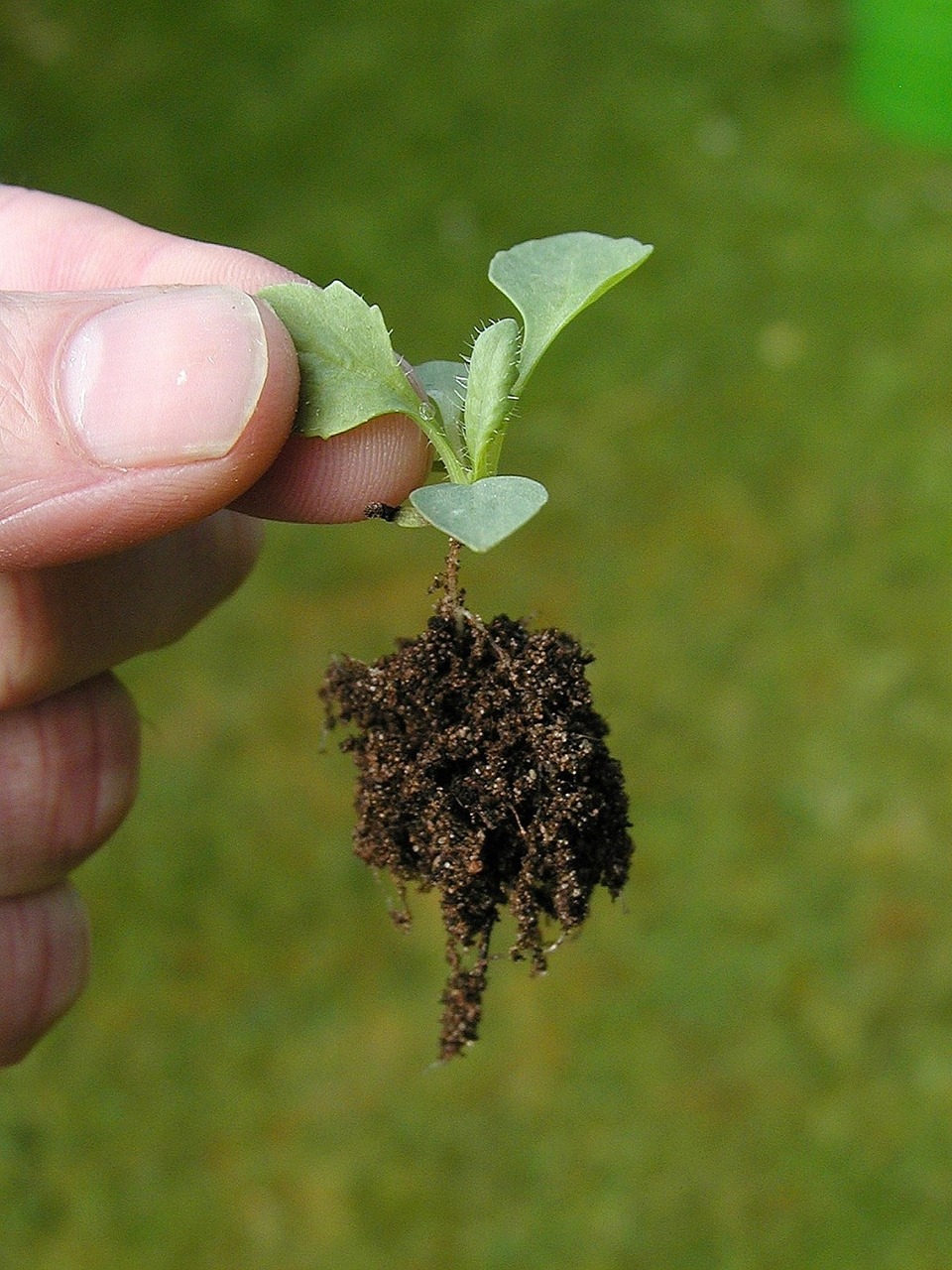
Unicellular algae, such as Chlorella and Spirulina, provide multiple benefits to the soil:
- Improvement of Soil Structure: They contribute to the formation of aggregates, which improves aeration and water retention. It has been shown that the application of algae can increase soil porosity by 20%, facilitating root penetration and access to nutrients.
- Nutrient Fixation: They assist in the fixation of essential elements such as nitrogen, enhancing soil fertility. A study in corn soils showed that the addition of algae increased nitrogen availability by 15% compared to controls.
- Microbiota Stimulation: They promote a favorable environment for other beneficial microorganisms, improving soil health. Research has indicated that microbial diversity increases by 30% with the application of algae, contributing to a more balanced ecosystem.
- Reduction of Abiotic Stress: They help plants tolerate adverse conditions, such as droughts or saline soils. In studies conducted, it was observed that plants treated with algae extracts showed a 40% increase in their water retention capacity during drought periods.
How They Act in the Soil
Unicellular algae interact with the soil in various ways:
1. Increase of Microbial Biodiversity
By introducing unicellular algae into the soil, an increase in microbial diversity is encouraged. This translates into a more balanced ecosystem, which is essential for crop health. A study published in the Journal of Applied Phycology demonstrated that the addition of Chlorella vulgaris to agricultural soils increased the population of beneficial bacteria by 25%, contributing to a significant improvement in crop yield. Furthermore, microbial diversity is correlated with disease resistance, resulting in a lower dependence on fungicides and other agrochemicals.
2. Release of Bioactive Compounds
Algae are rich in bioactive compounds that can be released into the soil. These compounds, which include phytohormones such as auxins, gibberellins, and cytokinins, can act as biostimulants, promoting root growth and nutrient absorption. For example, a study from Algae Research found that the application of algae extracts stimulated root growth by 30%, improving the plants’ ability to absorb water and nutrients. These compounds can also induce protein synthesis in plants, favoring their growth and development.
3. Interaction with Soil Nutrients
Unicellular algae have the ability to solubilize nutrients, facilitating their availability for plants. This is essential for maximizing crop yield and optimizing fertilizer use. Research has shown that algae can increase phosphorus solubilization by 40%, which is critical in soils that tend to be deficient in this nutrient. This process is due to the production of organic acids that dissolve phosphorus compounds, making them more accessible to plants. Additionally, algae can also assist in the mobilization of other micronutrients such as iron and zinc, which are fundamental for healthy crop growth.
4. Soil Protection
They act as a natural barrier against pathogens and diseases, reducing the need for chemical pesticides and promoting a more sustainable approach. A study conducted on tomato crops found that the use of algae extracts reduced the incidence of fungal diseases by 50%, demonstrating their potential as a biocontrol agent. Furthermore, algae can induce systemic resistance in plants, activating their natural defenses against pathogens. This translates into a greater capacity for plants to resist diseases, which in turn can result in reduced production costs and increased crop profitability.
Practical Applications
The use of unicellular algae in agriculture can be implemented in various ways:
- Ecological Fertilizers: They can be incorporated as part of ecological fertilizers to improve soil health and crop productivity. For example, the combination of Spirulina with other nutrients in an organic fertilizer has shown to increase yield in corn crops by 15% in field trials. This is due to the synergy between the available nutrients and the bioactive compounds present in the algae.
- Biostimulants: When applied as biostimulants, they can promote healthier and more resilient plant growth. In trials conducted with rice crops, it was observed that the application of Chlorella extracts promoted a 20% increase in total plant biomass, also improving their resistance to water stress conditions. This type of application is especially relevant in regions where water is a limited resource.
- Soil Amendments: They can be used in soil preparation to improve its structure and fertility before planting. The incorporation of algae in sandy soils has shown to improve water retention capacity by 30%, which is crucial in arid regions. Additionally, their application can increase the biological activity of the soil, favoring the decomposition of organic matter and the release of nutrients.
At Ecoganic, we offer solutions based on unicellular algae that help farmers improve the sustainability and profitability of their crops. Contact us for more information about our biostimulants and how they can benefit your agricultural production.
Research and Case Studies
Numerous studies support the effectiveness of unicellular algae in agriculture. For example, a study from the University of California demonstrated that the application of Spirulina extracts in citrus crops not only improved tree growth but also increased fruit production by 25% compared to untreated trees. This was attributed to improved nutrient absorption and reduced water stress. Such results highlight the importance of algae as a viable alternative to synthetic fertilizers.
Case Study: Use of Algae in Rice Crops
In an experiment conducted in a rice field in Asia, extracts of Chlorella were applied at different doses. The results showed that plants treated with a moderate dose of algae exhibited more robust growth and greater pest resistance, resulting in an 18% increase in yield compared to the control. Farmers also reported a reduction in pesticide use, contributing to more sustainable agriculture. This study demonstrates how the application of algae can not only improve yield but also reduce dependence on chemical products in agriculture.
Case Study: Tomato Crops
A farmer in Spain used an algae-based biostimulant on his tomato crops. After application, an improvement in the overall health of the plants and a 30% increase in tomato production were observed. Additionally, the use of algae helped reduce the incidence of foliar diseases, allowing the farmer to decrease the use of chemical fungicides. This case demonstrates how algae can contribute to agricultural sustainability while improving profitability. The experience of this farmer underscores the importance of adopting agricultural practices that prioritize soil health and biodiversity.
Future Perspectives on the Use of Unicellular Algae
The future of using unicellular algae in agriculture looks promising. With advances in biotechnology, new techniques are being developed to extract and apply bioactive compounds from algae more efficiently. Recent research suggests that genetic modification of certain algae species could enhance their ability to release specific nutrients or antimicrobial compounds, which could revolutionize the way crops are managed and soils improved. Additionally, the development of more sustainable and economical algae cultivation technologies could facilitate their integration into conventional agriculture, representing a significant opportunity to enhance the efficiency and sustainability of agricultural systems.
Conclusion
Unicellular algae offer a variety of benefits that can transform modern agriculture. From improving soil structure to promoting a healthy microbial ecosystem, their potential is immense. At Ecoganic, we are committed to researching and developing algae-based solutions that support sustainable and profitable agricultural practices. As the demand for more ecological farming methods continues to grow, unicellular algae are positioned as a key tool for farmers looking to enhance the productivity and sustainability of their crops. The implementation of these technologies will not only benefit farmers but also contribute to environmental health and global food security.
Benefits of Unicellular Algae
5. Increase in Water Retention Capacity
Unicellular algae not only improve soil structure but also increase its capacity to retain water. This is particularly beneficial in drought-prone regions. A study conducted in arid agricultural soils demonstrated that the incorporation of algae can increase water retention capacity by 35%, allowing plants to have water resources during critical periods. This increase is due to the ability of algae to create a network of microaggregates that trap water, improving the hydration of the root system.
6. Increase in Soil Fertility
Soil fertility is significantly increased with the use of unicellular algae. A study in vegetable crop soils showed a 25% improvement in the availability of essential nutrients such as nitrogen and phosphorus after the application of algae. This is due to the ability of algae to release compounds that act as chelators, facilitating the absorption of these nutrients by plants. This process not only improves plant health but also reduces the need for chemical fertilizers, promoting more sustainable agricultural practices.
How They Act in the Soil
5. Promotion of Soil Health
Unicellular algae play a vital role in promoting soil health by contributing to the formation of a balanced microbiome. This microbiome acts as a natural regulator of soil health, helping to prevent erosion and improving the soil’s ability to support crops. A study in agricultural soils showed that the application of algae increased the activity of beneficial microorganisms by 40%, which translated into an increase in organic matter production and an improvement in soil quality.
6. Reduction of Soil Erosion
The application of unicellular algae can also contribute to the reduction of soil erosion. By improving soil structure and increasing cohesion between particles, algae help prevent the loss of fertile soil during intense rainfall events. A study conducted in erosion-prone areas showed that the application of algae reduced erosion by 50%, which not only protects soil quality but also helps maintain long-term fertility.
Practical Applications
4. Cultivation of Algae as Crop Rotation
An innovative practice is crop rotation with unicellular algae. This technique allows farmers to cultivate algae alongside other crops, improving soil health and providing additional nutrients. For example, in a crop rotation trial with Spirulina and vegetables, a 20% improvement in vegetable yield was observed, thanks to the nutrient release by the algae. Crop rotation with algae not only improves productivity but also helps diversify agricultural production.
5. Use of Algae in Precision Agriculture
Precision agriculture is an approach that uses advanced technology to optimize production. The integration of unicellular algae in this approach allows farmers to apply biostimulants more efficiently, using data on soil health and crop needs. For example, soil monitoring systems can indicate when it is the optimal time to apply algae extracts, maximizing their effectiveness and minimizing waste. This not only improves productivity but also contributes to sustainability by reducing resource use.
Research and Case Studies
Case Study: Use of Algae in Fruit Crops
In a study conducted in a tropical fruit crop, extracts of Chlorella were applied to assess their impact on growth and production. The results showed a 30% increase in fruit production and a significant improvement in quality, with a 15% increase in sugar content. Farmers reported that trees treated with algae showed greater disease resistance, which reduced the need for chemical treatments. This study highlights the potential of unicellular algae to improve not only yield but also the quality of agricultural products.
Case Study: Cereal Crops
A trial in a wheat field in Europe showed that the application of unicellular algae increased yield by 25% compared to a control group. Treated plants showed greater drought resistance and better grain quality. Additionally, soil analyses revealed an increase in microbial activity and nutrient availability, indicating that algae not only improved immediate yield but also contributed to the long-term health of the soil. Such results highlight the importance of algae as a comprehensive solution for sustainable agriculture.
Related Articles
Need Professional Help?
At Ecoganic in Spain, Europe, we offer Biostimulants, Ecological Fertilizers, Bioprotectors. Call us: +34 652 530 492.
Conclusion
Unicellular algae offer a variety of benefits that can transform modern agriculture. From improving soil structure to promoting a healthy microbial ecosystem, their potential is immense. At Ecoganic, we are committed to researching and developing algae-based solutions that support sustainable and profitable agricultural practices. As the demand for more ecological farming methods continues to grow, unicellular algae are positioned as a key tool for farmers looking to enhance the productivity and sustainability of their crops. The implementation of these technologies will not only benefit farmers but also contribute to environmental health and global food security.
7. Integration of Algae in Regenerative Agriculture Systems
Unicellular algae can also play a fundamental role in regenerative agriculture, an approach that seeks to restore agricultural ecosystems and improve soil health. In this context, algae can help recover degraded soils and increase biodiversity. A study conducted on degraded agricultural land showed that the incorporation of algae not only improved soil structure but also promoted the growth of native plant species, increasing biodiversity in the area. This approach benefits not only crops but also contributes to the restoration of entire ecosystems.
8. Use of Algae in Vertical Agriculture
With the growth of vertical agriculture, unicellular algae are finding new applications. In vertical farming systems, algae can be integrated as part of a hydroponic system, providing essential nutrients and improving water health. A recent study demonstrated that the use of algae extracts in hydroponic systems increased lettuce yield by 40%, thanks to improved nutrient absorption and reduced water stress. Such innovations highlight the versatility of algae in different cultivation methods and their potential to contribute to sustainable food production.
Related Articles
- Ecoganic
- Unicellular Algae vs Humic Acids: Which is Better?
Frequently Asked Questions
What are unicellular algae?
Unicellular algae are photosynthetic microorganisms found in aquatic and terrestrial environments, contributing to soil health and agricultural productivity.
How do unicellular algae improve soil quality?
They improve soil structure, increase nutrient availability, and stimulate soil microbiota, promoting a healthy ecosystem.
Can unicellular algae be used in organic crops?
Yes, unicellular algae are a viable and sustainable option for fertilizers and biostimulants in organic agriculture.
What are the benefits of using algae-based biostimulants?
Algae-based biostimulants help improve plant growth, increase stress tolerance, and optimize nutrient absorption.