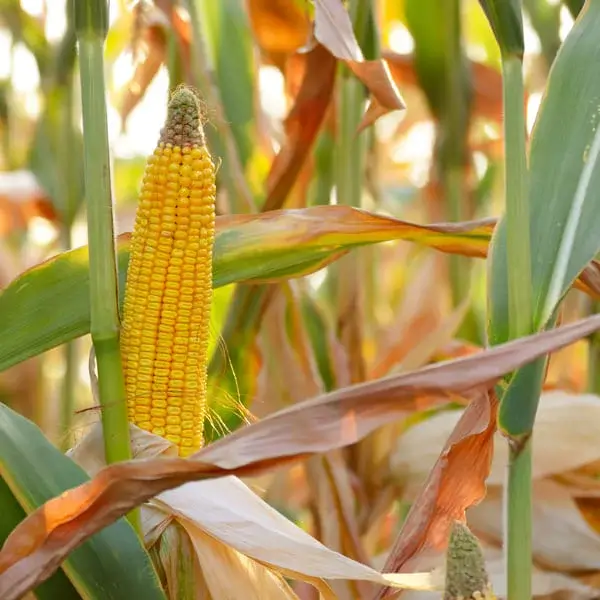
Organic Grain Corn (Zea Mays) Cultivation Program with Ecoganic Products
Introduction: Ecological Grain Corn as a Basis for Sovereignty and Export
El maíz grano orgánico (Zea mays) es uno de los cultivos más importantes a nivel global, tanto por su valor alimentario como por su uso en forrajes, industria y biocombustibles. Países como Argentina, México, Brasil, España y EE.UU. lideran la producción de maíz, y la demanda internacional de maíz ecológico certificado ha crecido rápidamente, especialmente para exportaciones hacia Europa, EE.UU. y Asia.
La producción orgánica de maíz exige una planificación agronómica detallada, en la que se maximicen los recursos del suelo, la biodiversidad y se utilicen productos orgánicos certificados como los de Ecoganic. Esto permite cumplir con los requisitos del Reglamento (UE) 848/2018, el NOP USDA y las certificaciones de comercio justo y sustentabilidad.
Además, instituciones como FiBL y la FAO recomiendan el uso de bioinsumos, técnicas de conservación de suelo, rotaciones con leguminosas y fertilización orgánica balanceada.
Agronomic Requirements of Organic Grain Corn
Optimal development temperature: 22–30 °C.
Alta demanda de nitrógeno, fósforo y potasio, sobre todo en floración y llenado.
Requires deep soils with good structure and water retention.
Very sensitive to water stress in V6 and R1 (flowering).
Frequent presence of pests such as fall armyworm, aphids, and diseases such as blight, fusarium, root rot.
Phase 2: Vegetative Development (V3–V7, 21–45 Days)
Product
Dose
Application
Objective
NITROTECH 16%
4 L/ha
Fertigation
Biomass development
MICRO PLUS
1 L/ha
Foliar
Key micronutrients (Zn, Mn, B)
TOTALIN + ACARIN
1.5–2 L/ha
Foliar
Preventive pest control
Phase 3: Flowering and Pollination (R1, 45–65 Days)
Product
Dose
Application
Objective
PK-FLOW 20
2.5 L/ha
Fertigation
Optimal fruit set and hormonal stability
CALCIUM 40 PLUS
2 L/ha
Foliar
Better grain formation
UNIVERSAL BOOST
2 L/ha
Foliar
Reduction of thermal stress
Phase 4: Grain Filling and Ripening (R2–R5, 65–100 Days)
Product
Dose
Application
Objective
PK-FLOW 20
3 L/ha
Fertigation
Grain fattening, sugar accumulation
CALCIUM 40 PLUS
2 L/ha
Foliar
Firmness, improvement of hectoliter weight
ECOGANIX
2 L/ha
Foliar
Prevention of foliar diseases
Phase 5: Post-harvest and Regeneration of the Lot
Product
Dose
Application
Objective
SOILDES
2 L/ha
Irrigation
Sanitize the soil and control pathogens
FULVEX 50 S
1 L/ha
Fertigation
Reactivate the soil biota
Comparison: Conventional Corn vs. Ecological Corn with Ecoganic
Variable
Conventional
Organic Ecoganic
Fertilization
Urea, MAP, Chloride
NITROTECH, PK-FLOW, CALCIUM, MICRO PLUS
Pests/diseases
Pyrethroids, fungicides
TOTALIN, ECOGANIX, ACARIN, SOILDES
Soil
Worn, compacted
Activated with FULVEX and rotations
Cost per ha
Lower
Similar with higher FOB value
Commercial value (organic t)
$170–200
$280–320/t according to EU market
Useful life of the lot
2–3 intense cycles
+4 cycles with recovery
Practical Recommendations
Rotar con soja, arveja, poroto o trébol para recuperar nitrógeno.
Increase density only in soils with good structure and organic matter.
Perform weekly insect monitoring.
Use plant mulch or green cover in pre-campaign.
Avoid prolonged irrigation in pre-flowering.
Expected Results with Ecoganic Management
Indicator
Estimated result
Average yield (organic)
6.5–9 t/ha
Percentage of commercial grain
+85%
Reduction of synthetic inputs
–100%
Increase in soil OM (3 cycles)
+25%
Export certification
Complies with EU and NOP USDA
Scroll to Top
Hello!
Usamos cookies para asegurar que te damos la mejor experiencia en nuestra web. Si continúas usando este sitio, asumiremos que estás de acuerdo con ello.