
“`html
Discover everything about organic fertilizers: what they are, types, benefits, how to use them, which crops they are best for, and how to choose the ideal organic fertilizer for your needs. Complete guide 2024.
1. Introduction: Why Choose Organic Fertilizers for Your Crops?
In the quest for healthy and productive crops, nutrition plays a fundamental role. If you are an organic farmer or considering transitioning to more sustainable practices, organic fertilizers present themselves as the natural and effective alternative to nourish your plants. Unlike chemical fertilizers, which can harm the soil and the environment, organic fertilizers offer a range of benefits that go far beyond simply providing nutrients. In this definitive guide to organic fertilizers, we will explore in depth why to choose organic fertilizers, what they are exactly, the different types available, how to use them correctly for each crop, how to choose the best organic fertilizer for your specific needs, and where to buy quality organic fertilizers. Discover how organic fertilization can transform your crops, improve the health of your soil, and contribute to a more ecological and profitable agriculture.
2. What Are Organic Fertilizers Exactly and How Do They Work?
Organic fertilizers are products of natural origin, derived from organic matter of animal, plant, or mineral origin, used to nourish crops naturally and sustainably. Unlike chemical or synthetic fertilizers, which are mineral-based and release nutrients quickly, organic fertilizers release nutrients in a gradual and progressive manner, mimicking natural soil processes. Their main mechanism of action is not only to provide nutrients directly to the plant but also to improve the overall health of the soil, increasing its organic matter, biological activity, and nutrient and water retention capacity. By enriching the soil with organic matter, organic fertilizers feed the soil microbiota (bacteria, fungi, etc.), which in turn breaks down organic matter and releases nutrients in a form that plants can assimilate. This natural process ensures balanced and sustainable nutrition in the long term, creating a living and fertile soil that benefits your crops and the environment.
3. Types of Organic Fertilizers: A Range of Natural Options
There is a wide variety of types of organic fertilizers, each with its own characteristics, advantages, and recommended uses. Knowing the types of organic fertilizers available will help you choose the best option for your crops and needs. We can mainly classify them into:
4. Key Benefits of Using Organic Fertilizers in Your Crops
Choosing organic fertilizers to nourish your crops offers a wide range of benefits, both for your plants and for the environment and sustainability of your agricultural operation:
- Manures: One of the most traditional and complete organic fertilizers. They come from the feces of animals (cattle, horses, sheep, chickens, etc.) and provide organic matter, nitrogen, phosphorus, potassium, and micronutrients. It is important that they are well composted to avoid phytotoxicity and weed problems. There are different types of manures depending on the animal of origin, varying in composition and nutritional richness.
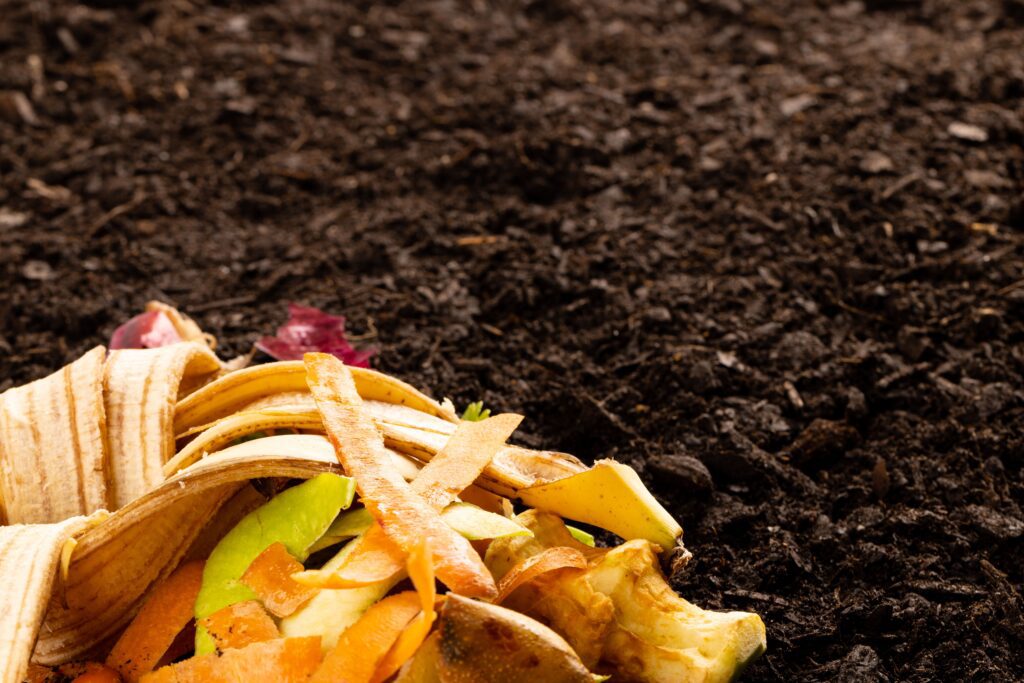
- Compost: The result of the controlled decomposition of organic matter (plant residues, kitchen scraps, etc.). Compost is an excellent soil improver, providing organic matter, nutrients, and beneficial microorganisms. It can be made homemade or purchased as commercial compost of quality.
- Worm Humus: Considered one of the best organic fertilizers due to its nutritional richness and benefits for the soil. It is the result of the d digestion of organic matter by earthworms. Worm humus improves soil structure, water and nutrient retention, and provides a large amount of beneficial microorganisms.
- Guano: Excrement from seabirds or bats, very rich in nitrogen, phosphorus, and micronutrients. Guano is a powerful organic fertilizer ideal for nutrient-demanding crops, but it must be used with caution due to its high concentration. There are different types of guano depending on its origin and composition.
- Green Manures: Crops of plants (legumes, grasses, etc.) that are sown and then mowed and incorporated into the soil as fresh organic matter. Green manures improve soil structure, provide nutrients (especially nitrogen in legumes), and prevent erosion.
- Rock Meals: Powders of ground rocks (basalt, dolomite, phosphorite, etc.) that provide minerals and trace elements to the soil gradually. Rock meals are slow-release organic fertilizers ideal for enriching mineral-poor soils.
- Commercial Liquid Organic Fertilizers: Liquid formulations based on plant extracts, algae, worm humus, or other organic materials. Liquid organic fertilizers are easy to apply through irrigation or foliar spraying and offer quick and balanced nutrition. Ecoganic NITROTECH 2.5% Liquid is an example of a high-quality liquid organic fertilizer, ideal for complementing base fertilization and providing an extra dose of nitrogen naturally.
- Improves Soil Health and Fertility in the Long Term: Organic fertilizers enrich the soil with organic matter, improving its structure, aeration, water and nutrient retention capacity, and fostering microbial life. A healthy soil is the foundation for healthy and productive crops in the long term.
- Balanced and Sustainable Nutrition for Plants: Organic fertilizers release nutrients in a gradual manner, avoiding nutritional imbalances and ensuring constant and sustained nutrition throughout the crop cycle. This translates into stronger, healthier, and more resilient plants.
- Increased Plant Resistance to Stress and Diseases: A healthy soil and balanced nutrition strengthen the immune system of plants, making them more resistant to pests, diseases, and abiotic stress (drought, temperature, salinity, etc.). This can reduce the need for pesticides and other chemical treatments.
- Improves the Quality and Flavor of Food: Foods grown with organic fertilizers often have better flavor, aroma, and nutritional quality. Balanced nutrition and soil richness are reflected in the quality of the harvest.
- Benefits for Soil and Aerial Biodiversity: Organic agriculture and the use of organic fertilizers promote biodiversity in the soil (microorganisms, earthworms, etc.) and in the agroecosystem in general (beneficial insects, birds, etc.).
- More Sustainable and Environmentally Friendly Agriculture: Organic fertilizers are a more sustainable and environmentally friendly option than chemical fertilizers, as they reduce soil and water pollution, minimize the environmental impact of production and transport, and contribute to the circular economy by utilizing organic by-products.
5. How and When to Use Organic Fertilizers Correctly? Step-by-Step Guide
To use organic fertilizers correctly and achieve the best results, it is important to follow a series of steps and recommendations:
- Prior Soil Analysis: Conducting a soil analysis is essential to understand the characteristics of your soil (pH, organic matter, available nutrients, etc.) and determine the specific fertilization needs of your crops.
- Calculation of Doses and Nutrient Needs: Once you know the soil analysis and the crop needs, calculate the doses of organic fertilizer necessary to provide the required nutrients. Consult the manufacturer’s recommendations and adjust the doses based on your experience and observation of the crops.
- Methods of Application: Organic fertilizers can be applied in various ways:
- Surface Application: Spread the fertilizer over the soil surface and then lightly incorporate it with a rake or hoe. Ideal for solid fertilizers such as manure, compost, or granules.
- Buried Application: Incorporate the fertilizer into the soil during land preparation or at planting. Recommended for slow-release fertilizers and to ensure that nutrients are available in the root zone.
- Fertigation: Apply liquid organic fertilizers dissolved in irrigation water. Ideal for quick and localized nutrient contributions, especially during high demand phases.
- Application Frequency: The frequency of organic fertilizer application will depend on the type of fertilizer, the crop, and the growth phase. Slow-release fertilizers (manure, compost) can be applied once a year or at the start of the crop. Liquid fertilizers may require more frequent applications during the crop cycle, especially at times of higher nutritional demand (vegetative growth, flowering, fruiting).
- Precautions and Tips:
- Use quality organic fertilizers and those with organic certification if you are looking for organic production.
- Compost or ferment manures properly to avoid problems.
- Do not exceed the recommended doses, as an excess of organic fertilizer can also be harmful.
- Combine different types of organic fertilizers for more complete and balanced nutrition.
- Observe your crops and adjust fertilization according to their needs and responses.
- Consider complementing organic fertilization with organic biostimulants to enhance plant growth and resistance.
6. Organic Fertilizers for Every Type of Crop: Specific Recommendations
While organic fertilizers are beneficial for all types of crops, some are especially suitable for certain species or groups of plants:
- Organic Fertilizers for Vegetable Gardens (Vegetables, Aromatics, etc.): Compost, worm humus, and composted manure are excellent options for the vegetable garden, providing organic matter and essential nutrients for the growth of vegetables and aromatics. For an extra nitrogen boost during rapid growth, you can use guano or liquid organic fertilizers like Ecoganic NITROTECH 2.5% Liquid
- Organic Fertilizers for Fruit Trees (Citrus, Apple Trees, etc.): Composted manure, compost, and rock meals are ideal for fruit trees, providing slow-release nutrients and improving soil structure. During flowering and fruiting, you can complement with guano or liquid organic fertilizers to enhance production.
- Organic Fertilizers for Olive Trees and Vineyards: Composted manure, compost, and green manures are highly recommended for olive trees and vineyards, improving soil fertility and drought resistance. Rock meals are also beneficial for providing essential minerals.
- Organic Fertilizers for Ornamental Plants and Gardens: Worm humus, compost, and liquid organic fertilizers are perfect for ornamental plants and gardens, providing nutrients in a balanced manner and promoting lush growth and abundant flowering.
- Organic Fertilizers for Lawns: Compost, worm humus, and specific granular organic fertilizers for lawns are excellent options for maintaining a green, healthy, and resilient lawn, reducing the need for watering and chemicals.

7. How to Choose the Best Organic Fertilizer for Your Needs? Key Factors
Choosing the best organic fertilizer for your needs requires considering several key factors:
- Type of Crop and Specific Nutritional Needs: Each crop has different nutritional needs. Choose an organic fertilizer that fits the specific needs of your plants (crops demanding nitrogen, phosphorus, potassium, etc.).
- Soil Type and Its Deficiencies: Consider the characteristics of your soil (previous soil analysis) and its possible deficiencies. If your soil is poor in organic matter, prioritize fertilizers that provide it (manure, compost, humus). If it is deficient in minerals, use rock meals.
- Fertilizer Format (Solid, Liquid, Granulated, etc.): Choose the format of organic fertilizer that best suits your method of application and type of crop. Solids are ideal for base applications, liquids for fertigation and foliar applications, and granulated for more controlled release.
- Organic Certification: If you are looking for certified organic production, ensure that the organic fertilizer has recognized organic certification seals.
- Quality-Price Ratio: Compare the quality-price ratio of different organic fertilizers. Sometimes, a slightly more expensive product can offer better long-term results.
- Brand Reputation and Experience: Opt for trusted brands with experience in organic fertilizers, offering quality products and technical advice. Ecoganic is a reference brand in organic fertilizers and biostimulants, committed to organic agriculture and the quality of its products.
8. Organic Biostimulants: The Ideal Complement for Complete Ecological Nutrition
For an even more complete and effective ecological nutrition, consider complementing organic fertilization with organic biostimulants. Organic biostimulants are not fertilizers, but products that stimulate the natural processes of plants, improving their growth, development, stress resistance, and nutrient use efficiency. Ecoganic Boost Universal is a broad-spectrum organic biostimulant that can enhance the benefits of organic fertilization, strengthening your crops naturally and sustainably. In a future article, we will delve into the benefits and uses of organic biostimulants.
9. Where to Buy Quality Organic Fertilizers (and Ecoganic)
Finding quality organic fertilizers is essential to ensure the success of your ecological fertilization. You can buy organic fertilizers in various places:
- Specialized organic agriculture stores: Offer a wide variety of certified organic fertilizers, with specialized technical advice.
- Garden centers and nurseries: Usually have a section of ecological products where you can find organic fertilizers for different types of crops.
- Agricultural cooperatives: Some cooperatives offer organic fertilizers to their members, often at competitive prices.
- Online stores for ecological products: Online shopping for organic fertilizers offers convenience and access to a wide range of brands and products.
- Ecoganic.eu: In our online store Ecoganic.eu, you will find a selection of high-quality organic fertilizers, including Ecoganic NITROTECH 2.5% Liquid, and organic biostimulants like Ecoganic Boost Universal, designed to naturally and sustainably enhance your organic crops. Visit our website and discover our complete catalog.
10. Conclusion: Nourish Your Crops Naturally and Sustainably with Organic Fertilizers (and Discover Ecoganic Solutions)
Organic fertilizers are the key to successful and sustainable organic agriculture. By choosing organic fertilizers, you are investing in the health of your soil, the nutrition of your plants, the quality of your harvests, and the future of the planet. Nourish your crops naturally with quality organic fertilizers and experience the difference in your results and in the environment. Discover the complete range of organic fertilizers and organic biostimulants from Ecoganic on our website Ecoganic.eu and start transforming your agriculture towards a more ecological, profitable, and nature-friendly model. The soil microbiota plays an essential role in the effectiveness of organic fertilizers.
👉 Complete guide: Biostimulants for Olive — application program, phenological phases, and recommended products.
👉 Complete guide: Biostimulants for Citrus — application program, phenological phases, and recommended products.
“`