
“`html
Learn about nitrogen fertilization in citrus: doses and timing of application to optimize your production. Contact us and improve your crops!
Introduction
Nitrogen fertilization in citrus is crucial to ensure optimal crop development and maximize fruit production. Nitrogen is an essential element that plays a fundamental role in photosynthesis, growth, and harvest quality. This article will address the appropriate doses and optimal timing for nitrogen application in citrus, as well as the importance of using sustainable and effective solutions, such as organic fertilizers from Ecoganic.
Importance of Nitrogen Fertilization
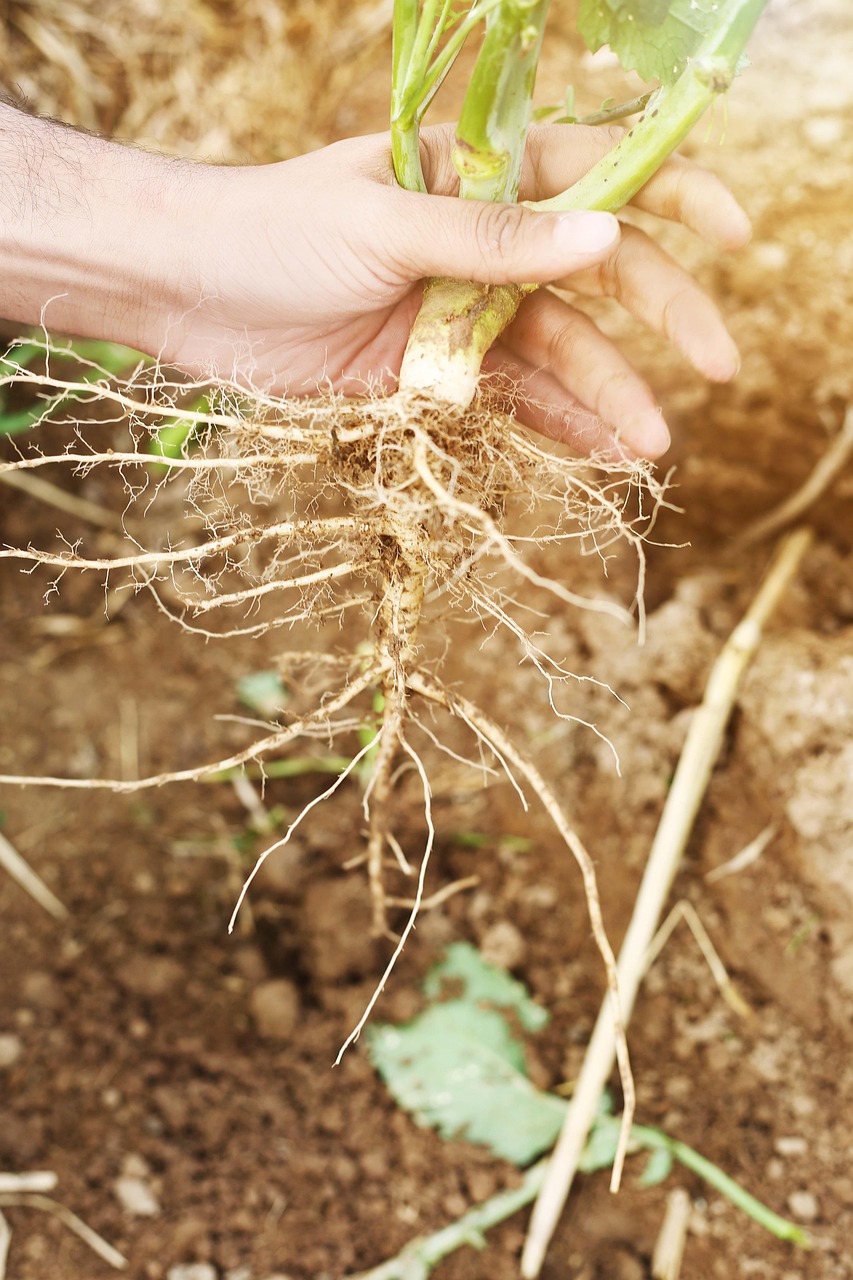
Proper nitrogen fertilization in citrus not only improves vegetative growth and fruit production but also increases plant resistance to diseases and environmental stress. Agronomic studies have shown that the correct application of nitrogen can enhance fruit quality and overall crop yield. Additionally, the use of biostimulants and organic fertilizers can contribute to more balanced and sustainable nutrition.
Benefits of Nitrogen in Citrus
- Vegetative Growth: Nitrogen promotes robust leaf development, essential for photosynthesis. An increase in leaf area can result in a 20-30% increase in solar light capture, translating into greater energy production.
- Fruit Quality: Proper fertilization directly impacts the size, flavor, and color of citrus fruits. Fruits with optimal nitrogen levels can have a 10-15% increase in sugar content.
- Stress Resistance: Well-nourished plants are more resistant to drought and pests. Research has shown that an adequate supply of nitrogen can reduce the incidence of fungal diseases by 25%.
Biochemical Mechanisms of Nitrogen
Nitrogen is incorporated into plants mainly in the form of ammonium (NH4+) and nitrate (NO3-). These compounds are absorbed by the roots and transported through the xylem to the leaves, where they are used to synthesize amino acids, proteins, and nucleic acids. The synthesis of chlorophyll, which is crucial for photosynthesis, also depends on nitrogen. A study from the Journal of Agricultural Science indicates that adequate nitrogen fertilization can increase chlorophyll concentration by 15-20%, improving the photosynthetic efficiency of plants. Additionally, nitrogen plays a vital role in the production of phytohormones such as auxins, which regulate cell growth, thus promoting more vigorous tree development.
Interaction with Other Nutrients
Nitrogen fertilization does not act in isolation; its effectiveness can be influenced by the availability of other nutrients. For example, an excess of nitrogen can inhibit the absorption of potassium and calcium, leading to deficiencies in these essential nutrients. Studies have shown that the relationship between nitrogen and potassium is critical, and it has been observed that a proper balance between both can increase yield by 15-20%. Therefore, it is essential to conduct soil analyses that evaluate not only nitrogen levels but also other nutrients, to establish a more effective fertilization plan.
Recommended Nitrogen Doses
The nitrogen dose required for citrus can vary depending on various factors, including the age of the tree, soil type, and climate of the region. Generally, an initial application of between 100 to 200 kg/ha of nitrogen per year is recommended, divided into several applications throughout the crop cycle. Research shows that optimal doses can be adjusted according to expected yield and soil analysis, allowing for a more precise approach to nutrient management.
Factors Affecting Nitrogen Dose
The nitrogen dose is not a fixed value and can be adjusted based on:
- Age of the Tree: Young trees require less nitrogen compared to mature trees that are in full production. For example, a 3-year-old citrus tree may need between 50-80 kg/ha, while a 10-year-old tree could require up to 200 kg/ha.
- Soil Type: Soils with high organic matter can release additional nitrogen, reducing the need for external applications. A soil analysis can reveal the availability of organic nitrogen, allowing for adjustments in fertilization doses.
- Climatic Conditions: In years of high rainfall, nitrogen leaching can be a problem, which may require adjustments in the dose. A study conducted in southern Spain showed that heavy spring rains can cause the loss of up to 30% of applied nitrogen, highlighting the importance of continuous climate monitoring.
Dose Fractionation
To optimize nitrogen absorption, it is advisable to divide the total dose into several applications throughout the year. This may include:
- Spring: At the beginning of budding, apply 30-40% of the total dose. This application should coincide with the start of vegetative activity to ensure that nitrogen is available when the trees need it most.
- Summer: Apply another 30-40% after harvest to promote vegetative development. It is at this stage that the plant begins to prepare for growth in the next cycle.
- Autumn: The final application can be made before leaf drop, using the remaining 20-30%. This last contribution helps store nutrients in the roots for winter.
Practical Application Examples in the Field
A case study in a citrus plantation in the Murcia region of Spain showed that applying 150 kg/ha of nitrogen in three fractions (spring, summer, and autumn) resulted in a 25% increase in fruit yield compared to applying a single dose in spring. This fractionated approach not only improved nitrogen absorption but also reduced the risk of loss due to leaching. Additionally, it was observed that trees treated in this manner exhibited greater uniformity in fruit size, which is crucial for marketing.
Use of Technology in Nitrogen Application
The use of advanced technologies, such as precision agriculture, can optimize nitrogen application in citrus. For example, using drones equipped with multispectral imaging sensors allows for assessing plant health and detecting nutritional deficiencies before they become visible. A study in Australia demonstrated that using these technologies enabled farmers to apply nitrogen more efficiently, achieving a 20% reduction in fertilizer use and a 15% increase in crop yield. This combination of technology and fertilization can be a game changer for citrus production.
Timing of Application
The timing of nitrogen application is critical to ensure that plants make the most of this nutrient. The most recommended times are:
- Before Flowering: Apply nitrogen to promote good flower and fruit development. An analysis of flower production in trees fertilized during this period showed an increase of up to 40% compared to those that did not receive fertilization.
- Post-Harvest: An application after harvest can help prepare the tree for the next vegetative cycle. Research indicates that post-harvest fertilization can increase the accumulation of reserves in the roots, which is essential for the growth of the following year.
- Climatic Conditions: It is important to avoid applications during periods of high temperature or drought, as this can affect nitrogen absorption. Applying nitrogen under water stress conditions can lead to inefficient assimilation, resulting in economic losses.
Impact of Application Timing on Yield
Synchronizing nitrogen application with critical phases of citrus tree development is vital. Research has shown that applying nitrogen just before flowering can significantly increase the number of flowers and, consequently, fruit set. A study conducted by the University of Florida showed that trees fertilized with nitrogen during this period had a 30% increase in fruit production compared to those that did not receive fertilization at the right time. Additionally, applying nitrogen at the right time has also been associated with improved fruit quality, including higher vitamin C and antioxidant content.
Recommendations for Application
To maximize the effectiveness of nitrogen fertilization, it is recommended to:
- Conduct a soil analysis before application to determine available nitrogen levels. A comprehensive soil analysis can include evaluating organic matter, pH, and available nutrients, allowing for a more holistic approach to fertilization.
- Use precision technologies, such as remote sensing, to assess the nutritional status of trees. Tools like drones and soil sensors can provide real-time data on crop health and nutrient availability.
- Apply nitrogen in liquid form or as urea, which has a high nitrogen content and is easily assimilable by plants. Liquid forms of nitrogen, such as ammonium nitrate, may be preferable in high humidity conditions, as they are less prone to volatilization.
Considerations for Organic Nitrogen Application
The use of organic nitrogen, such as organic fertilizers and biostimulants, is gaining attention due to its lower environmental impact and its ability to improve soil health. These products can release nitrogen gradually, reducing the risk of leaching and improving nutrient availability in the long term. A study in Italy demonstrated that applying organic fertilizers along with conventional fertilization resulted in a 10% increase in nitrogen use efficiency, as well as an improvement in the physicochemical properties of the soil. This suggests that integrating organic fertilizers into fertilization practices can be an effective strategy for more sustainable agriculture.
Related Articles
- Nitrogen Fertilization in Vine: Doses and Application
- Nitrogen Fertilization in Wheat: Doses and Key Timing
- Nitrogen Fertilization in Corn: Doses and Application
Need professional help?
At Ecoganic in Spain, Europe, we offer Biostimulants, Organic Fertilizers, Bioprotectors. Call us: +34 652 530 492.
Conclusions and Recommendations
Nitrogen fertilization in citrus is an essential aspect to maximize production and quality of crops. By following the recommended doses and the appropriate timing of application, producers can ensure healthy growth of their trees and an abundant harvest. Ecoganic offers a variety of organic fertilizers that can complement the nutrition of citrus, helping farmers achieve more sustainable and profitable agriculture.
Importance of Sustainability in Fertilization
Sustainability in agriculture is a fundamental principle that must be considered in the fertilization of citrus. The use of organic fertilizers, such as those offered by Ecoganic, not only improves soil health but also minimizes environmental impact. These fertilizers often contain beneficial microorganisms that promote biological activity in the soil, favoring the natural release of nutrients. A study by the FAO suggests that implementing sustainable fertilization practices can reduce the use of chemical fertilizers by 30%, while maintaining or even increasing crop yields. Additionally, crop rotation and the use of cover crops can complement nitrogen fertilization, improving soil health and biodiversity.
Future Trends in Citrus Fertilization
Future trends in citrus fertilization will likely include a more personalized approach, based on data analysis technology and sensors in the field. This will allow farmers to adjust nitrogen applications in real-time, based on the specific needs of the trees and soil conditions. The integration of biological solutions, such as biostimulants, will also continue to be a growth area, offering alternatives that not only improve nitrogen availability but also promote the overall health of the agricultural ecosystem. Furthermore, research into genetically modifying crops to improve nutrient use efficiency is on the rise, which could revolutionize how nutrients are managed in the future.
Integrated Nutrient Management Practices (INM)
Implementing an Integrated Nutrient Management (INM) system is essential to optimize fertilization in citrus. This approach combines the use of organic and synthetic fertilizers, along with soil conservation practices and crop rotation. For example, using compost and manure can provide not only nitrogen but also other essential nutrients and improve soil structure. A study in California demonstrated that integrating compost into the citrus fertilization regime increased water retention in the soil and reduced the need for irrigation, which is especially beneficial in drought-prone regions. Additionally, regular monitoring of the nutritional status of trees and adjusting fertilization practices based on results is key to maximizing nitrogen use efficiency.
Biostimulants and Their Role in Nitrogen Fertilization
Biostimulants are products that, while not fertilizers themselves, enhance plant responses to applied nutrients, including nitrogen. These products can contain seaweed extracts, microorganisms, or organic compounds that stimulate vegetative growth and fruit production. A study conducted by the University of Córdoba showed that applying a biostimulant based on seaweed extracts along with nitrogen fertilization increased nitrogen use efficiency by 20%, resulting in higher fruit yield and harvest quality. The combination of nitrogen with biostimulants can be especially beneficial under stress conditions, helping plants better adapt to adverse situations.
Evaluating the Effectiveness of Fertilization
Evaluating the effectiveness of nitrogen fertilization is crucial for adjusting agronomic practices. Periodic leaf analyses are recommended to monitor nitrogen levels in the leaves, providing direct information about the nutritional status of the trees. A study from the University of Valencia demonstrated that conducting leaf analyses at the right time allowed farmers to adjust nitrogen applications to their crops, achieving a 15% increase in fruit yield. Additionally, using remote sensing techniques can help identify areas within the crop that may be deficient in nitrogen, allowing for more targeted and efficient applications.
Challenges in Nitrogen Fertilization
Despite the benefits, nitrogen fertilization also presents challenges. One of the main issues is the possibility of water contamination from nitrate leaching, especially in sandy soils or in areas with high rainfall. This not only affects water quality but can also have legal consequences for farmers. Implementing sustainable management practices, such as controlled application and the use of controlled-release fertilizers, can help mitigate these issues. A study in Australia demonstrated that using controlled-release fertilizers reduced nitrate leaching by 40%, while maintaining crop yields.
Final Conclusion
Nitrogen fertilization in citrus is an essential component for efficient and sustainable agronomic management. With a focus on the appropriate dose, timing of application, integration of biostimulants, and continuous evaluation of effectiveness, farmers can maximize both yield and quality of their crops. As we move towards a more sustainable future in agriculture, the use of innovative solutions and integrated management practices will be key to ensuring the viability of citrus production in a constantly changing world.
Related Articles
- Ecoganic
- Nitrogen Fertilization in Vine: Doses and Application
Frequently Asked Questions
What is the best time to fertilize citrus?
The best time to fertilize citrus is in spring, before flowering, and after harvest during summer.
How much nitrogen do my citrus need?
It is recommended to apply between 100 to 200 kg/ha of nitrogen per year, divided into several applications.
Can I use organic fertilizers for citrus?
Yes, organic fertilizers are an excellent option for citrus nutrition, promoting sustainability and soil health.
What effects does nitrogen deficiency have on citrus?
Nitrogen deficiency can result in poor growth, lower fruit production, and increased susceptibility to diseases.

“`