We resolve your questions about biostimulants in vines. Learn how to improve your crops with Ecoganic. Contact us for more information!
Introduction
The production of vines faces numerous challenges, from adverse weather conditions to diseases and pests. To help grape growers tackle these challenges, biostimulants have emerged as an effective solution. In this article, we will answer the most frequently asked questions about the use of biostimulants in production of vines, providing valuable information that will help you improve your crops.
What are biostimulants?
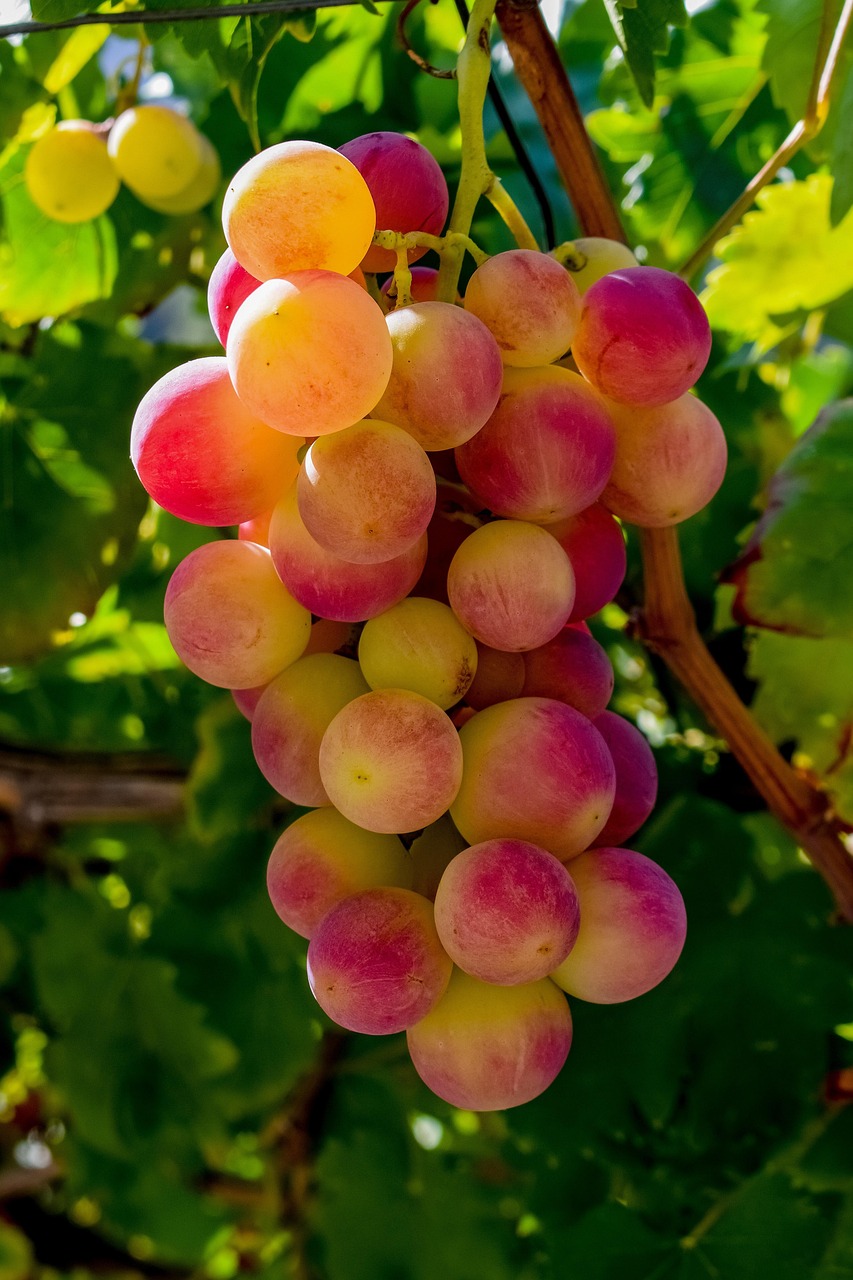
Biostimulants are substances or microorganisms that, when applied to plants, enhance their growth and development by boosting physiological processes. These products can be of natural origin, such as plant extracts and beneficial microorganisms, and are designed to optimize plant health and agricultural productivity.
Types of biostimulants
- Plant extracts: derived from plants that stimulate crop growth and health.
- Beneficial microorganisms: bacteria and fungi that improve nutrient absorption and disease resistance.
- Bioactive compounds: substances that promote metabolic activity in plants.
Microorganisms as biostimulants
Beneficial microorganisms, such as bacteria and fungi, are fundamental in sustainable agriculture. These organisms can colonize plant roots and form symbiotic associations that enhance nutrient absorption. For example, bacteria of the genus Rhizobium can fix nitrogen from the air, converting it into a form usable by plants, which is especially useful in nutrient-poor soils. Additionally, other microorganisms like Mycorrhizae help to increase the root absorption surface, facilitating the uptake of phosphorus and other essential micronutrients.
Bioactive compounds
Bioactive compounds, such as humic and fulvic acids, are essential for improving soil structure and nutrient availability. These compounds not only promote plant growth but also help retain moisture in the soil, which is critical in water-scarce regions. Research has shown that the application of humic acids can increase the water retention capacity of the soil by up to 30%. Additionally, fulvic acids help to chelate nutrients, making them more accessible to plants, which can improve fertilizer use efficiency.
Mechanisms of action of biostimulants
Biostimulants act through various biochemical and physiological mechanisms. For example, some plant extracts can increase the production of phytohormones, such as auxins and cytokinins, which are essential for plant growth and development. Other biostimulants may enhance the activity of enzymes involved in plant metabolism, facilitating nutrient assimilation. A study conducted by the University of Córdoba showed that the application of a seaweed-based biostimulant increased the activity of the enzyme nitrate reductase in vine leaves, resulting in a 20% increase in nitrogen absorption. Furthermore, it has been observed that some biostimulants can induce systemic acquired resistance, a mechanism that allows plants to respond more effectively to pathogens and environmental stress.
Relevant studies on biostimulants in viticulture
Several studies have documented the positive impact of biostimulants in viticulture. A trial conducted in the Bordeaux region of France revealed that the application of a seaweed extract-based biostimulant increased grape production by 25%, in addition to improving the quality of the resulting wine, with an increase in anthocyanin levels, responsible for the color and aroma of the wine. Another study in Chilean vineyards demonstrated that the use of amino acid-based biostimulants increased sugar accumulation in grapes, resulting in wine with a higher alcohol content and a more complex organoleptic profile.
Benefits of biostimulants in vines
Biostimulants offer multiple benefits in vine cultivation, including:
- Improvement of grape quality: by optimizing nutrition and metabolism, biostimulants can increase the sugar content and aromatic compounds in grapes, resulting in higher quality wines. Research has shown that the use of biostimulants can increase polyphenol content by 15-30%, improving the organoleptic properties of the wine.
- Increased stress resistance: biostimulants help plants tolerate adverse conditions, such as droughts or extreme temperatures. A study conducted in vineyards exposed to drought conditions found that treatments with biostimulants increased plant survival rates by 40% compared to controls. Additionally, it has been shown that some biostimulants can induce the production of secondary metabolites that protect plants from dehydration.
- Root growth stimulation: a more developed root system improves water and nutrient absorption, translating into better yield. The application of biostimulants can increase root length by 25%, allowing plants to access a greater amount of soil resources. A study conducted in Mendoza vineyards, Argentina, showed that the use of a microorganism-based biostimulant increased root biomass by 35% compared to the control.
Impact on soil health
The use of biostimulants not only benefits plants but also improves soil health. By promoting microbial activity and improving soil structure, biostimulants contribute to a more balanced agricultural ecosystem. A study in Tuscan vineyards showed that the application of microorganism-based biostimulants increased soil microbial diversity by 50%, resulting in improvements in water retention and nutrient availability. Additionally, it has been evidenced that the application of biostimulants can reduce soil compaction and increase porosity, facilitating root growth and improving drainage.
Examples of biostimulants used in viticulture
There are several biostimulants that have been successfully used in vine cultivation. For example, Ascophyllum nodosum extract, a type of seaweed, has been shown to increase drought stress resistance in vines. Another example is the use of microorganisms such as Trichoderma harzianum, which not only improves root health but also acts as a biological control agent against soil pathogens. In field trials, the application of Trichoderma resulted in a 30% reduction in the incidence of fungal diseases in vines. Additionally, chitosan-based biostimulants have been used, promoting the natural resistance of plants to diseases and potentially improving grape quality.
Application of biostimulants in vine production
The correct application of biostimulants is crucial for achieving optimal results. Here are some guidelines:
Application timing
Biostimulants can be applied at different times during the crop cycle:
- Before planting: to prepare the soil and favor plant establishment. The application of biostimulants at this stage can improve soil structure and increase nutrient availability. For example, the application of a mycorrhiza-based biostimulant before planting can enhance root colonization and facilitate the initial growth of plants.
- During vegetative growth: to stimulate leaf and root development. At this stage, the application of biostimulants can be particularly effective in maximizing photosynthesis and vegetative growth. A trial in Napa Valley vineyards showed that the application of biostimulants during the bud break phase increased leaf production by 20%.
- During stress periods: to help plants overcome adverse conditions. Biostimulants applied at critical moments, such as during droughts or diseases, can be decisive in maintaining vineyard productivity. For example, the application of biostimulants during a heatwave in a vineyard in Spain resulted in a 50% reduction in yield loss compared to untreated plots.
Application methods
There are various methods for applying biostimulants, including:
- Foliar application: spraying the product on the leaves for rapid absorption. This method is highly effective during the early growth stages, as it allows plants to quickly absorb nutrients and bioactive compounds. A study demonstrated that foliar application of an amino acid-based biostimulant increased photosynthesis by 15% compared to untreated controls.
- Soil application: incorporating the biostimulant into the substrate for root absorption. This technique is ideal for improving soil microbiology and fostering a healthy environment for root growth. Soil application can also help to slowly release nutrients, benefiting long-term growth.
- Application via drip irrigation: this technique allows for uniform distribution of the biostimulant in the root system. A study conducted in California vineyards demonstrated that the application of biostimulants through drip irrigation improved nutrient absorption efficiency by 30% compared to foliar application. Additionally, this technique minimizes product waste and reduces exposure to environmental factors that could decrease the effectiveness of the biostimulant.
Dosage and application frequency
The dosage and frequency of biostimulant applications can vary depending on the specific product and crop conditions. Generally, it is recommended to apply biostimulants every 15 to 30 days during the vine growth cycle. For example, a trial conducted in La Rioja vineyards showed that the application of an amino acid-based biostimulant every 20 days increased grape production by 18% compared to untreated controls. It is essential to follow the manufacturer’s instructions and adjust doses based on climatic conditions and crop health.
Considerations for selecting biostimulants
When selecting a biostimulant, it is important to consider several factors, such as compatibility with other agricultural inputs, soil type, and climatic conditions of the region. A biostimulant that works well in one soil type may not be effective in another. Additionally, it is crucial to follow the manufacturer’s recommendations for dosage and application to maximize benefits. For example, in a recent study, it was observed that the combination of an amino acid-based biostimulant with a mineral fertilizer resulted in a 25% increase in grape yield compared to the application of mineral fertilizers alone. It is also advisable to conduct effectiveness tests in small plots before large-scale application to assess the specific response of vines to different biostimulant products.
Interactions between biostimulants and other agricultural inputs
The interaction between biostimulants and other agricultural inputs, such as fertilizers and pesticides, is a crucial aspect to consider in crop management. For example, it has been shown that the combination of biostimulants with nitrogen fertilizers can improve nitrogen use efficiency. A study conducted in Italian vineyards showed that the combined application of an amino acid-based biostimulant and nitrogen increased nitrogen assimilation by 40% compared to the use of nitrogen alone. However, it is essential to conduct compatibility tests to avoid adverse effects, such as antagonistic effects between products. This can be achieved through preliminary trials in small plots to observe plant responses and adjust applications based on the results obtained.
Costs and return on investment
The implementation of biostimulants in vine production may involve additional costs, but the return on investment can be significant. Studies have shown that, although the cost of biostimulants may be higher than that of conventional fertilizers, the benefits in terms of yield and grape quality can justify this investment. For example, an economic analysis of a vineyard in Mendoza indicated that the regular application of biostimulants resulted in a 30% increase in grape production and an improvement in wine quality, translating into a 20% increase in sale value. This suggests that, despite initial costs, biostimulants can be a cost-effective strategy for grape growers seeking to maximize their production and quality.
Research on the cost-benefit of biostimulants
A detailed cost-benefit analysis is essential for grape growers considering the incorporation of biostimulants into their agricultural practices. A study conducted in California vineyards demonstrated that the use of biostimulants not only increased production but also helped reduce costs associated with the use of chemical fertilizers. In this case, it was observed that grape growers who applied biostimulants reduced their dependence on fertilizers by 15%, resulting in significant savings in operating costs. Additionally, studies have indicated that wine quality improved, allowing grape growers to sell their product at a higher price, which increases profit margins.
Challenges in the adoption of biostimulants
Despite the evident benefits, the adoption of biostimulants in viticulture may face certain obstacles. The lack of knowledge about their proper use and effectiveness can be a limiting factor. Many grape growers still feel more comfortable with traditional practices and may be reluctant to experiment with new products. Additionally, regulation and standardization of biostimulants are important issues that may influence farmers’ decisions. It is essential that more research is conducted and positive results are shared to encourage the adoption of these innovative products.
Conclusion and CTA
If you are interested in improving your vineyard’s production with sustainable solutions, do not hesitate to contact our team. We offer personalized service and specialized advice to help you achieve the best results in your vine crops. Request information without obligation!
Related articles
- Benefits of Biostimulants in Olive Oil Quality
- Biostimulants and Root Growth of Tomato
- Use of Biostimulants in Pest Control in Olive Trees
Need professional help?
In our team in Spain, Europe, we offer Biostimulants, Organic Fertilizers, Bioprotectors. Call us: +34 652 530 492.
Frequently Asked Questions about Biostimulants in Vine Production
Biostimulants have gained great relevance in vine production, especially in the search for sustainable agricultural practices. A recent study indicates that the use of biostimulants can increase grape yield by 15-20%, by improving soil health and nutrient availability. These products help optimize root growth, which is crucial for water and nutrient absorption.
One of the most common questions is about the compatibility of biostimulants with other agricultural inputs. Most biostimulants are compatible with fertilizers and pesticides, but it is recommended to conduct compatibility tests before their joint application. According to research, the application of biostimulants in combination with nitrogen fertilizers can increase nitrogen efficiency by 30%, resulting in a more sustainable use of resources.
Another important aspect is the timing of application. Experts suggest that biostimulants be applied during critical stages of vine development, such as rooting and flowering. This can maximize the positive impact on yield and grape quality. In a field assessment, it was observed that the application of biostimulants at these stages resulted in a 25% increase in harvest quality, measured through parameters such as sugar content and acidity.
Finally, it is crucial to follow the manufacturer’s recommendations regarding dosage and frequency of application. Generally, it is advised to apply biostimulants every 15-30 days during the growing season, in order to maintain a continuous positive effect on the plant. Implementing these practices can lead to more sustainable and higher quality wine production.
Related articles
- Our team
- Benefits of Biostimulants in Olive Oil Quality
- Use of Biostimulants in Pest Control in Olive Trees
Frequently Asked Questions
Are biostimulants safe for vine cultivation?
Yes, biostimulants are formulated to be safe and beneficial for plants, and many of them are of natural origin.
How long do they take to show results?
Results may vary, but many grape growers report improvements within a few weeks.
Can biostimulants replace fertilizers?
No, biostimulants complement fertilizers, enhancing their effectiveness.
Where can I purchase quality biostimulants?
You can purchase quality biostimulants through specialized agricultural distributors, such as Ecoganic.