“`html
Introduction
In the agricultural sector, both at fairs and in technical advice or even on product labels, a false statement is frequently repeated: “This is biological, so it is ecological.” False. This is a dangerous confusion that affects producers, technicians, distributors, and even certifiers. In countries where the regulation of organic agriculture is not yet fully developed —such as Argentina and much of Latin America— this confusion is not only common but has become a misleading marketing strategy.
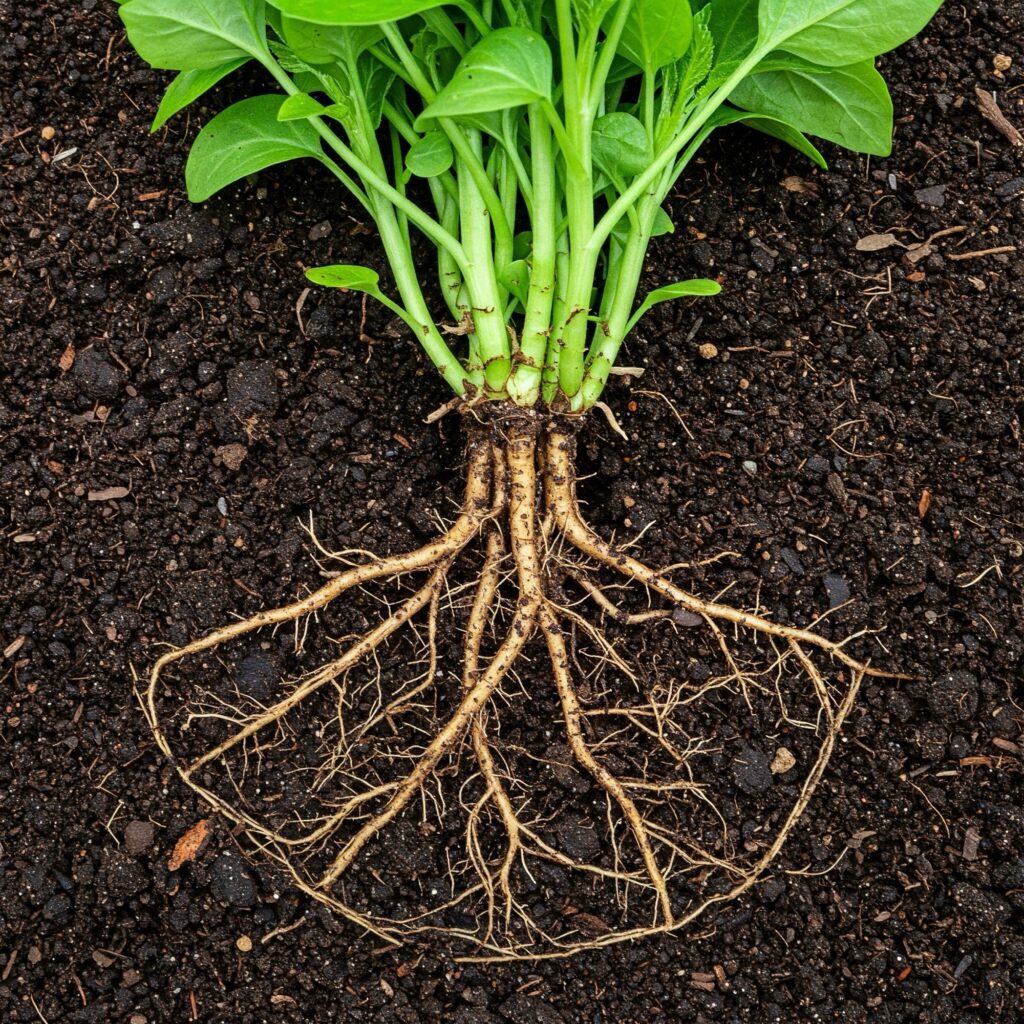
In this article, you will discover why biological is not synonymous with ecological or organic, how this difference directly impacts your production, and what you should demand from products if you want to work with truly sustainable and certified inputs.
What does “biological” really mean in agriculture?
The term biological generates a positive feeling: it sounds natural, healthy, and environmentally friendly. However, from a technical and regulatory perspective, the term biological is ambiguous and lacks a standardized unique definition.
What can a biological product contain?
• Microorganisms such as bacteria, fungi, viruses, or yeasts.
• Derivatives from fermentation processes or plant extracts.
• Organic acids, amino acids, enzymes, among other natural compounds.
But beware: this does not automatically make it an ecological input.
Many biological products may contain:
• Synthetic surfactants or petroleum derivatives.
• Non-biodegradable carriers.
• Genetically modified organisms (GMOs).
• Industrial waste.
Moreover, in many countries, the term “biological” is not legally regulated, so any company can use it on a label without needing to meet specific standards.
What is an ecological or organic product?
An ecological or organic product is defined by clear international standards and official certifications. These regulations require traceability, transparency, and compliance with environmental, health, and production criteria.
Main international standards
• Regulation (EU) 2018/848 of the European Union.
• USDA NOP (National Organic Program), of the United States.
• IFOAM, the international federation of organic agriculture movements.
• FAO – Organic Agriculture, global framework for sustainable systems.
What does a certified ecological input require?
• Must not contain prohibited synthetic ingredients.
• Must not contain GMOs.
• Must not leave toxic residues.
• Must have official certification issued by an accredited body.
• Must have complete traceability from the origin.
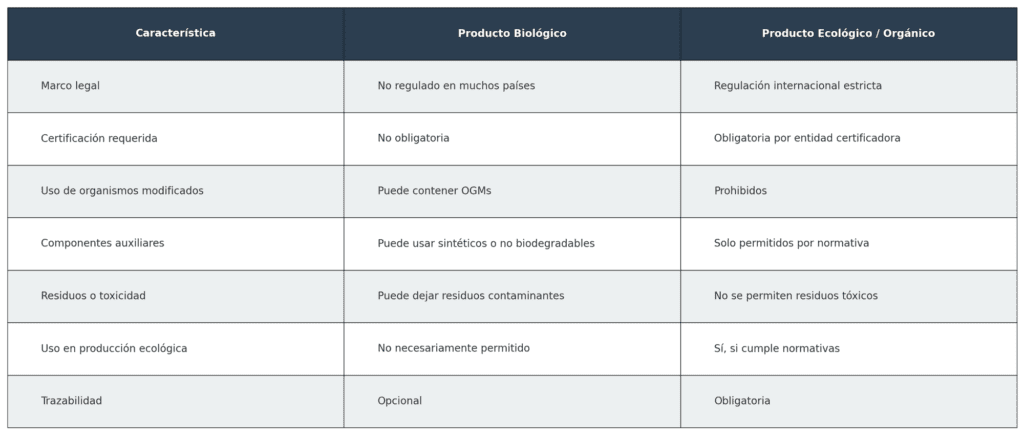
Key differences between biological and ecological products
Technical comparison
The confusion in Latin America: a structural problem
In countries where organic agriculture still lacks solid legislation —such as Argentina, Bolivia, Paraguay, Peru, or even parts of Mexico— it is common to confuse biological with ecological, both among producers and some advisors.
Why does this confusion occur?
1. Lack of clear national legislation.
2. Little specific training in international regulations.
3. Commercial use of imprecise terms.
4. Limited oversight and control of inputs.
Consequence: crops that lose certification, rejected products, and loss of trust in the market.
Why does this difference matter?
1. Loss of certification
Using unauthorized products can nullify your organic certification.
2. Soil contamination
Many unregulated biological inputs alter microbial balance and soil quality.
3. Export problems
International markets require verifiable documentation. If you don’t have it, you may be left out.
4. Consumer fraud
Selling as ecological what is not represents a legal and ethical deception.
How to avoid falling into this trap?
✔ Demand valid certification
✔ Read the technical data sheet
✔ Don’t be swayed by empty marketing
✔ Choose serious and auditable suppliers
Conclusion
A biological product can be useful in agriculture, but it is not necessarily ecological. The difference is technical, regulatory, and ethical. For those working in certified organic production, using incorrect inputs is not just a mistake: it is a threat to the sustainability of the system.
Do not accept vague definitions. Demand traceability, certification, and consistency. Your soil, your crops, and your market deserve it.
Are you looking for truly certified ecological inputs?
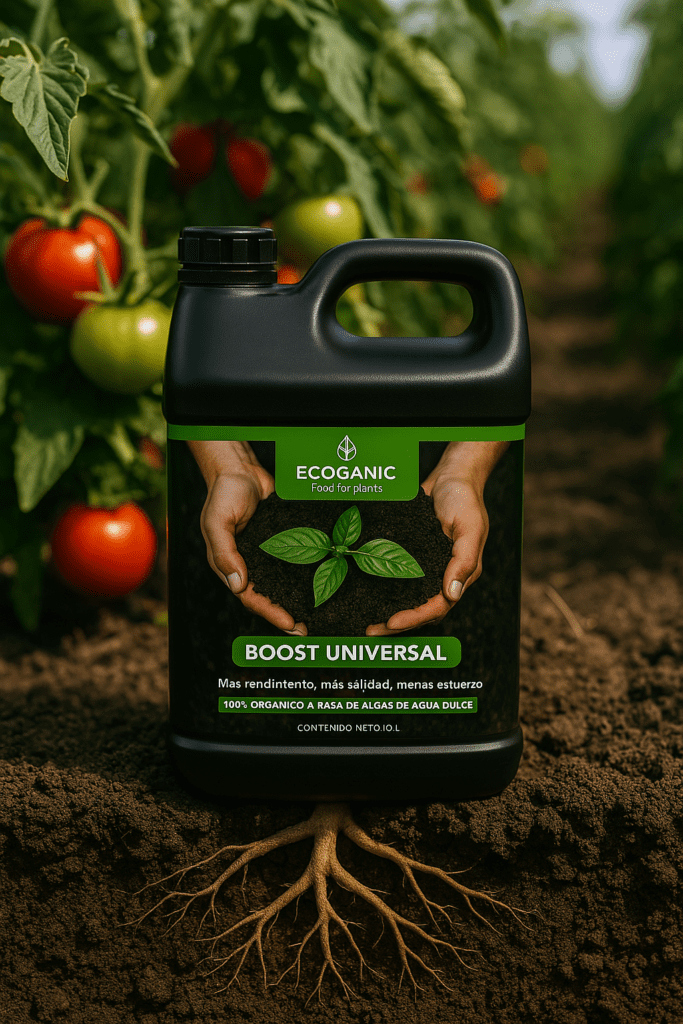
Explore the full range of Ecoganic® products, designed for sustainable production systems, certified by international organizations, and formulated with plant-based raw materials. Beyond marketing, ecological agriculture needs science, commitment, and responsibility.
- Biological, Organic, and Ecological Fertilizers: Sustainable Alternatives for Agriculture in Europe and Latin America
- The Future of Fertilizers: Global Trends in Biofertilization in Europe, Latin America, and Africa
- The Future of Fertilizers: Global Trends in Biofertilization in Europe, Latin America, and Africa
- Biological, Organic, and Ecological Fertilizers: Sustainable Alternatives for Agriculture in Europe and Latin America
- Ecological Biostimulants: Natural Enhancers of Crop Growth
“`