Explore the effect of biostimulants on the performance of affected olive trees. Improve your crop production with sustainable solutions. Contact us!
Introduction
The use of biostimulants in agriculture has gained significant relevance in recent years, especially in sensitive crops such as the olive. These products, derived from natural sources, have the ability to improve plant performance, optimizing their health and productivity. This article focuses on the effect of biostimulants on the performance of affected olive trees, analyzing how they can contribute to more sustainable and efficient production.
What are biostimulants?
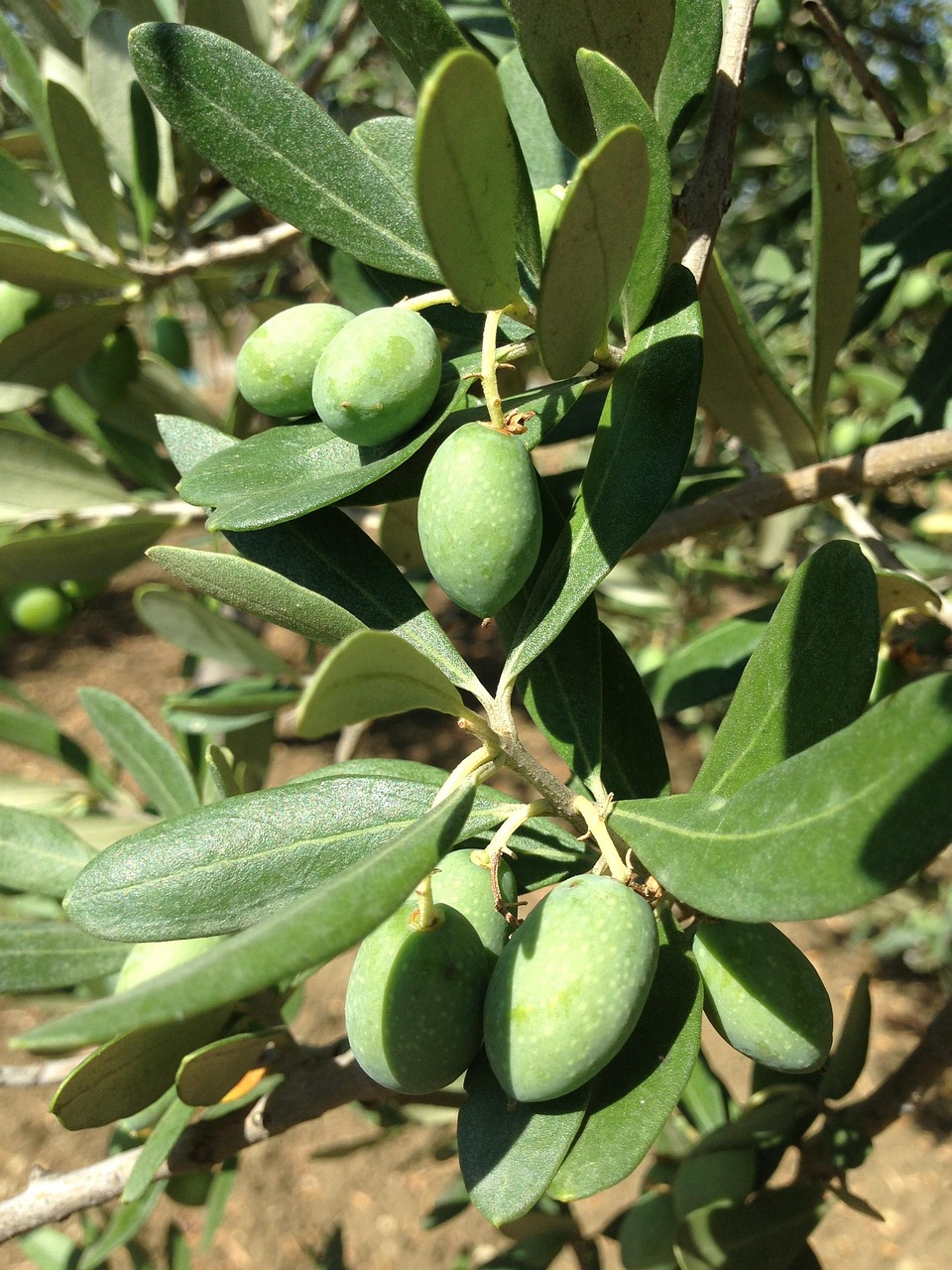
Biostimulants are substances or microorganisms that, when applied to plants or soil, stimulate natural processes that enhance nutrient absorption, stress tolerance, and ultimately, crop yield. In the case of olives, these products can help mitigate the negative effects of factors such as drought, diseases, and nutritional deficiencies.
Types of Biostimulants
There are various types of biostimulants, including:
- Seaweed extracts: Known for their ability to improve plant response to water stress. These extracts contain phytohormones such as auxins and cytokinins that regulate plant growth and development. It has been shown that the application of seaweed extracts can increase root production and improve photosynthesis under stress conditions.
- Beneficial microorganisms: These can help improve soil health and nutrient absorption. Mycorrhizal fungi, for example, can increase the root absorption surface by 400%. Additionally, some microorganisms can produce metabolites that act as biostimulants, promoting growth and disease resistance.
- Bioactive compounds: Provide essential nutrients that can be used by plants more efficiently. These compounds can act as chelators, facilitating the availability of micronutrients in the soil. Amino acids, for example, can enhance protein synthesis and chlorophyll formation, contributing to better photosynthesis.
Impact on Olive Yield
Biostimulants have been shown to have a positive impact on the yield of affected olives, especially under adverse conditions. Several studies have demonstrated that their application can result in:
- Increased fruit production: Olives treated with biostimulants often show a significant increase in the number of olives produced. For example, a study conducted in Andalusia reported a 25% increase in olive production in trees treated with a seaweed-based biostimulant. This is due to the improvement in photosynthetic activity and hormonal regulation promoted by these products.
- Better oil quality: The quality of olive oil can improve, exhibiting superior organoleptic characteristics. In a trial where biostimulants were applied, the polyphenol content in the oil increased by 15%, enhancing its flavor and antioxidant properties. Biostimulants can also influence the composition of fatty acids, increasing the proportion of healthy fatty acids.
- Greater disease resistance: Biostimulants can strengthen the natural defenses of plants, making them less susceptible to pests and diseases. One study demonstrated that the use of beneficial microorganisms reduced the incidence of fungal diseases by 30%. This is because some biostimulants can induce systemic acquired resistance, a mechanism that activates the plant’s defenses before pathogens appear.
Results of Recent Studies
Recent research has shown that the use of biostimulants in olives can result in yield increases of up to 30%, as well as improvements in oil quality. These applications have been carried out in various regions of Spain, where climatic and soil conditions can be challenging. In a study conducted in the Jaén region, it was observed that olives treated with biostimulants showed less fruit drop and an increase in olive size compared to untreated controls.
Mechanisms of Action of Biostimulants
Biostimulants act through various mechanisms that improve plant physiology. One of the main mechanisms is the enhancement of root activity. Seaweed extracts, for example, can stimulate the production of secondary roots by increasing the expression of genes related to root growth. This, in turn, allows for better absorption of water and nutrients. One study demonstrated that the application of seaweed extracts in olives increased root length by 20%.
Another important mechanism is the increase in enzymatic activity in plants. Biostimulants can activate key enzymes in plant metabolism, resulting in greater nutrient availability. One study showed that the application of an amino acid-based biostimulant increased the activity of the enzyme nitrate reductase, facilitating nitrogen absorption in olives. Additionally, it has been observed that biostimulants can enhance the synthesis of secondary metabolites, which are crucial for plant defense against biotic and abiotic stressors.
Interaction with Essential Nutrients
Biostimulants not only improve plant health but also interact synergistically with essential nutrients. For example, the application of biostimulants can increase the availability of phosphorus in the soil, a critical nutrient for olive development. One study showed that the use of a microorganism-based biostimulant increased phosphorus absorption by 25%, leading to better plant growth and development.
Furthermore, the relationship between biostimulants and micronutrients is fundamental. Biostimulants can act as chelators, improving the solubility and availability of micronutrients such as zinc and iron. This is especially relevant in alkaline soils where the availability of these micronutrients is limited. The application of biostimulants has been shown to increase the concentration of iron in olive leaves by 30%, thus improving the overall health of the plant.
Benefits of Biostimulants
In addition to improving yield, biostimulants offer other important benefits:
- Sustainability: Being based on natural ingredients, their use contributes to more sustainable agricultural practices. The use of biostimulants reduces dependence on synthetic chemical products, favoring more ecological agriculture. This not only benefits the environment but also improves the image of producers in the eyes of increasingly conscious consumers.
- Reduction of chemical inputs: They can decrease the need for fertilizers and pesticides, reducing costs and environmental impact. In field studies, it has been observed that the application of biostimulants can reduce the use of chemical fertilizers by 20-30%. This is especially valuable in a context where agricultural input costs are rising.
- Better soil health: The application of biostimulants can improve soil microbiology, promoting a healthier ecosystem. Biostimulants can increase microbial diversity in the soil, which is crucial for nutrient cycling and the overall health of the agricultural ecosystem. Healthier soil results in better water and nutrient retention, which in turn benefits plant growth.
Practical Examples of Application in the Field
In practice, the application of biostimulants in olive crops can be carried out in various ways. For example, in a trial in an olive grove in Córdoba, seaweed extracts were applied through drip irrigation during the growing season. As a result, a 20% increase in olive production and an improvement in the quality of the obtained oil were observed. This approach not only optimized water use but also maximized the effectiveness of the applied biostimulant.
Another example is found in an olive crop in Murcia, where beneficial microorganisms were used in combination with an organic fertilization program. This combination not only improved yield by 15% but also reduced pest incidence, allowing producers to decrease the use of insecticides. The implementation of this strategy proved effective in improving crop health and reducing operational costs.
Biostimulant Application Protocols
To maximize the benefits of biostimulants, it is crucial to follow appropriate application protocols. For example, it is recommended to apply biostimulants at critical stages of olive development, such as during flowering and fruit development. Foliar application can be effective at these stages, allowing for rapid and efficient absorption of the active compounds.
Additionally, it is important to consider the compatibility of biostimulants with other agricultural inputs. In some cases, biostimulants can be mixed with fertilizers or pesticides, but it is always advisable to conduct small-scale tests before applying to large areas. A well-designed protocol may include multiple applications throughout the season, ensuring that plants have access to the benefits of biostimulants at different critical moments.
Considerations for Selecting Biostimulants
The selection of suitable biostimulants is fundamental to maximizing their effectiveness in olive cultivation. Factors such as soil composition, climatic conditions, and specific crop needs should be considered when choosing a biostimulant. For example, in soils with high salinity, seaweed extracts may be particularly useful due to their ability to improve salt stress tolerance in plants.
Moreover, it is advisable to choose biostimulants that contain a combination of active ingredients to address multiple aspects of plant growth. For instance, a biostimulant that contains both amino acids and seaweed extracts can offer synergistic benefits by improving nutrient absorption and stress resistance simultaneously. Research and field trials are essential to determine the effectiveness of specific formulations under local conditions.
Evaluation of Results and Adjustments
Continuous evaluation of the results obtained after the application of biostimulants is crucial for adjusting management practices. Producers should establish clear success indicators, such as harvest yield, oil quality, and overall plant health. This may include monitoring parameters such as nutrient content in the soil and leaves, as well as assessing pest and disease incidence.
Based on the collected data, producers can make adjustments to the dosage and frequency of biostimulant applications, as well as the choice of specific products. For example, if it is observed that disease incidence increases despite the application of biostimulants, it may be necessary to review the integrated pest management strategy or increase the frequency of application. This continuous feedback is essential to optimize the use of biostimulants and maximize their positive impact on olive cultivation.
Related Articles
Need professional help?
At Ecoganic in Spain, Europe, we offer Biostimulants, Organic Fertilizers, Bioprotectors. Call us: +34 652 530 492.
Conclusions and Recommendations
The use of biostimulants represents an effective strategy to improve the yield of affected olives, optimizing both production and oil quality. Agricultural producers are encouraged to consider the inclusion of biostimulants in their agronomic management program, adapting applications to the specific needs of their crops. The implementation of a biostimulant program should be carried out systematically, evaluating results and adjusting dosages and application frequencies according to crop response.
For more information on how biostimulants can benefit your olive crops, visit Ecoganic or contact us directly at +34 652 530 492.
Advances in Biostimulant Research
Research on biostimulants has advanced significantly in recent years, focusing on the identification of new compounds and their effectiveness under different cultivation conditions. Recent studies have explored the use of nanoparticles as vehicles for delivering biostimulants, which could increase their efficacy and reduce the amount needed to achieve positive results. For example, the formulation of silicon nanoparticles has shown promise in improving drought resistance in olives, demonstrating a 35% increase in soil moisture retention.
Additionally, research is being conducted on the interaction between different types of biostimulants and their cumulative effect on olive health. A recent study combined seaweed extracts and microorganisms in a field trial, resulting in a 40% increase in olive production compared to individual treatments. This type of research suggests that an integrative approach could be key to maximizing the benefits of biostimulants in agriculture.
Challenges and Opportunities in the Use of Biostimulants
Despite the evident benefits of biostimulants, there are challenges in their large-scale adoption. One of the main challenges is the lack of regulation and standardization in the biostimulant industry, which can create confusion among farmers about which products to use. The establishment of clear regulations and evaluation protocols could facilitate their integration into conventional agricultural practices.
The opportunities for the future of biostimulants are vast, especially in the context of sustainable agriculture. As farmers seek to reduce their environmental footprint and adapt to changing climatic conditions, biostimulants offer a viable alternative to improve productivity without relying on chemical inputs. Collaboration among researchers, producers, and biotechnology companies will be essential to drive the development of new products and applications that benefit both olive crops and the environment.
Future Perspectives on the Use of Biostimulants
The future of using biostimulants in olive cultivation looks promising, with growing interest in researching more effective and specific formulations. It is expected that in the coming years, biotechnology will play a crucial role in creating personalized biostimulants tailored to the specific needs of the crop and soil conditions. For example, the development of biostimulants that combine multiple mechanisms of action could offer more comprehensive solutions for crop management.
Furthermore, the integration of advanced monitoring technologies, such as precision agriculture, will allow for more efficient application of biostimulants. By using sensors and data analysis, farmers will be able to identify the specific needs of crops in real-time, adjusting the application of biostimulants to maximize their effectiveness. This approach will not only optimize resource use but also improve the sustainability of cropping systems.
Market Research and Trends
Market trends indicate an increase in the demand for biostimulants, driven by growing awareness of sustainability and environmental health. The industry is seeing an increase in investment in research and development, leading to the introduction of new products to the market. The demand for biostimulants is expected to continue growing, especially in regions where olive oil production is a key component of the agricultural economy.
Market studies have indicated that the annual growth of the biostimulant sector could reach 10-15%, representing a significant opportunity for olive producers. Companies that invest in innovation and the creation of biostimulant-based products can position themselves favorably in an increasingly competitive market.
Related Articles
Frequently Asked Questions
What are biostimulants?
Biostimulants are natural substances that enhance plant growth and yield.
How do biostimulants affect olives?
They can increase fruit production and improve oil quality.
Are biostimulants sustainable?
Yes, they are based on natural ingredients that promote sustainable agricultural practices.
Where can I get biostimulants for my crop?
You can purchase biostimulants at specialized stores or directly through companies like Ecoganic.