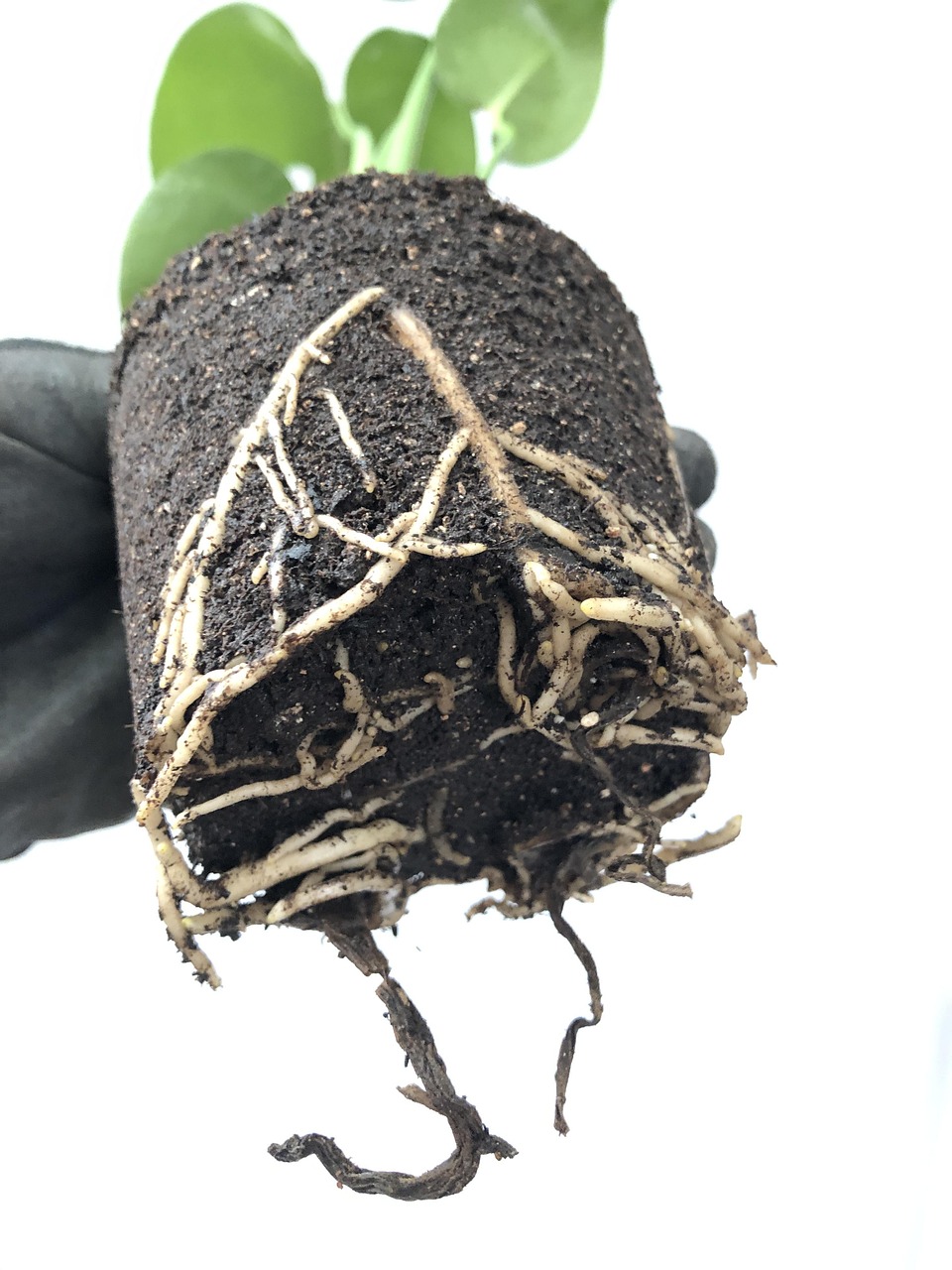
Learn about biostimulants and their role in root growth of tomatoes. Optimize your crops with sustainable solutions. Contact us for more information!
Introduction
Biostimulants have emerged as an innovative solution in modern agriculture, especially in tomato cultivation. Their role in root growth is fundamental to optimizing nutrient absorption and improving resistance to environmental stress. In this article, we will explore how biostimulants can transform tomato production, providing sustainable and scientifically grounded solutions.
What are biostimulants?
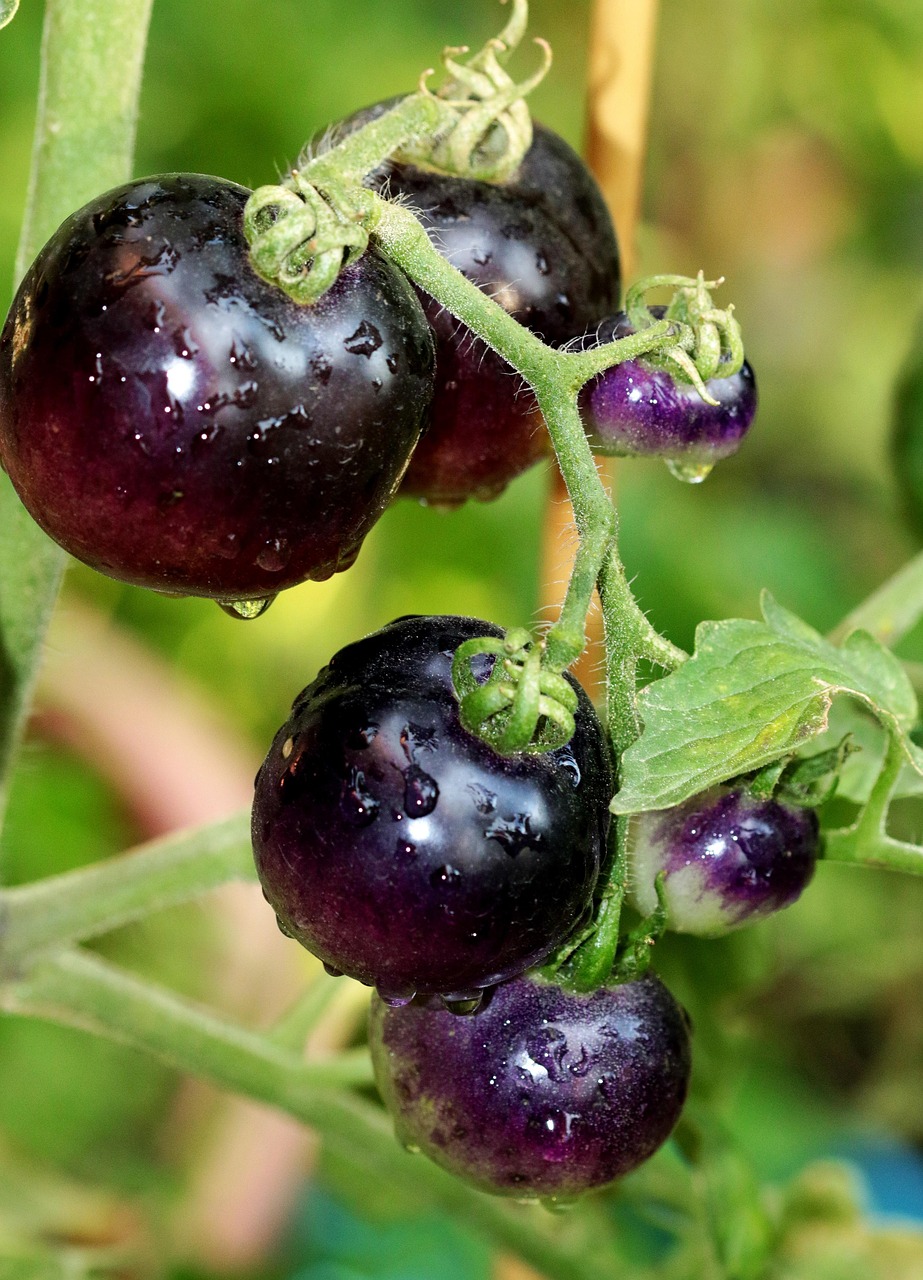
Biostimulants are natural products that, when applied to plants or soil, can improve growth, health, and productivity of crops. These products include extracts from algae, beneficial microorganisms, and bioactive compounds that act on the physiological processes of plants. In the case of tomatoes, biostimulants promote a more robust root development, which translates into better absorption of water and nutrients.
Classification of Biostimulants
- Plant extracts: Derived from algae, plants, and other organisms, these extracts promote root growth and stress resistance.
- Microorganisms: Bacteria and fungi that improve soil health and nutrient availability.
- Bioactive compounds: Include amino acids and peptides that stimulate growth and plant physiology.
Algal extracts
Algal extracts are among the most used biostimulants in agriculture. These extracts, derived from species such as Sargassum and Ascophyllum nodosum, contain natural plant hormones like auxins, gibberellins, and cytokinins. These hormones are crucial for regulating root growth. A study conducted by the University of California demonstrated that the use of algal extracts increased root length by 30% in tomato crops, improving nutrient absorption capacity. Furthermore, it has been shown that these extracts enhance the activity of enzymes associated with nutrient assimilation, such as acid phosphatase, which further favors root growth.
Beneficial microorganisms
Microorganisms, such as bacteria from the Rhizobium genus and mycorrhizal fungi, establish symbiosis with plant roots, improving the absorption of nutrients like phosphorus and nitrogen. A study from the University of Florida found that inoculating tomato plants with mycorrhizal fungi increased root biomass by 50% and improved drought resistance. Additionally, these microorganisms have been observed to secrete metabolites that act as growth regulators, promoting the formation of lateral roots and increasing the absorption surface.
Bioactive compounds
Amino acids and peptides are bioactive compounds that play a key role in cell signaling and metabolism regulation. These compounds can induce the production of secondary metabolites that enhance resistance to pathogens. For example, a greenhouse trial showed that the application of amino acids increased tomato yield by 25%, also improving fruit quality. Certain amino acids, such as glutamic acid, have been shown to activate metabolic pathways that increase antioxidant synthesis, improving the overall health of the plant and its response capacity to stress factors.
Benefits of biostimulants in tomatoes
The use of biostimulants in tomato cultivation has demonstrated several benefits, which can be summarized as:
- Better root growth: Biostimulants favor the formation of longer and denser roots, allowing for better nutrient and water uptake.
- Increased stress resistance: They help plants adapt to adverse conditions, such as droughts or poor soils.
- Better fruit quality: By optimizing nutrition, biostimulants contribute to a higher organoleptic quality of tomatoes.
Recent studies
A study published in ScienceDirect shows that the use of a biostimulant based on algal extract in tomato crops significantly increased root length and nutrient use efficiency, resulting in increased yield. Another study conducted at the Agricultural Research Institute of Spain demonstrated that the application of a microorganism-based biostimulant increased plant resistance to diseases, reducing the incidence of pathogenic fungi by 40%. Additionally, it has been found that the use of biostimulants can increase the production of endogenous phytohormones, contributing to more vigorous growth.
Improvements in fruit quality
The quality of tomato fruits can be significantly affected by the application of biostimulants. A trial conducted in Italy found that tomatoes treated with biostimulants showed an increase in total soluble solids (TSS) content of up to 15%, improving flavor and texture. Additionally, treated tomatoes showed a reduction in acidity levels, favoring consumer acceptance. This increase in quality is associated with better nutrient assimilation and optimized hormonal balance, which promotes the development of desirable organoleptic characteristics.
Impact on soil health
In addition to direct benefits to plants, biostimulants also have a positive impact on soil health. For example, the application of beneficial microorganisms can increase soil biological activity, improving the decomposition of organic matter and nutrient availability. A study in tomato crops in Italy showed that the application of a mycorrhizal-based biostimulant increased soil microbial diversity by 40%, contributing to a more balanced and healthy ecosystem. This also helps prevent soil erosion and improve its structure, which in turn favors moisture retention.
Application of biostimulants in root growth
The correct application of biostimulants is essential to maximize their benefits in root growth of tomatoes. Here are some recommendations:
Application timing
- Before planting: Applying biostimulants to the soil can prepare the environment for better root development. This includes the application of beneficial microorganisms that colonize the soil and improve its structure.
- During vegetative growth: Foliar applications can stimulate root growth during this crucial phase. Studies have shown that foliar application of amino acids during the vegetative stage can increase secondary root production, improving the plant’s ability to absorb nutrients.
- During water stress: The application of biostimulants can help plants survive periods of drought. For example, the application of an algal-based biostimulant during a drought demonstrated reduced water stress in tomato plants, increasing root length by 20% compared to the control.
Dose and formulation
It is essential to follow the manufacturer’s recommendations for application doses. Biostimulants are usually available in liquid or solid formulations, and their effectiveness may vary depending on crop type and soil conditions. A soil analysis prior to application can help determine the appropriate dose and type of biostimulant to use. For example, in a field trial, it was found that the application of an algal-based biostimulant at a dose of 2 L/ha during the tomato growing cycle resulted in a 20% yield increase compared to the control. Additionally, it has been evidenced that application at critical stages of root development can maximize positive effects, adjusting the dose according to the observed response.
Application methods
Application methods for biostimulants can include foliar applications, soil applications, or even through irrigation systems. Foliar application is effective for rapid nutrient absorption, while soil application allows for more sustained release. In a greenhouse study, it was demonstrated that applying biostimulants through drip irrigation improved water use efficiency, reducing consumption by 30% without affecting tomato yield. Additionally, it was observed that this technique facilitated the penetration of biostimulants into the root system, optimizing their effectiveness. The combination of different application methods has also proven effective, such as initial soil application followed by foliar applications at key stages.
Innovations in biostimulant formulation
Research on biostimulants has led to the development of innovative formulations that combine different types of biostimulants to maximize their effectiveness. For example, a formulation that combines algal extracts with beneficial microorganisms has been shown to increase synergy between these components, resulting in even more significant root growth. In one study, this combination increased root biomass by 60% compared to individual applications. This suggests that ongoing research in biostimulant formulation can open new opportunities to improve agricultural production. Additionally, the incorporation of additives that enhance the adherence and penetration of biostimulants in the soil can further boost their efficacy.
Decisions for the farmer
Farmers should consider several factors when selecting and implementing biostimulants in tomato cultivation:
- Type of biostimulant: Choose the one that best suits local conditions and specific crop needs. For example, in soils with high salinity, biostimulants containing microorganisms that help mitigate salt stress may be preferred.
- Soil conditions: Conduct a soil analysis to determine nutrient availability and the need for specific biostimulants. This allows for the customization of fertilization strategy and biostimulant use, maximizing benefits for tomato cultivation.
- Time of year: Climatic and seasonal conditions also play an important role. In drought periods, for example, it is advisable to apply biostimulants that improve water retention in the soil.
- Compatibility with other inputs: It is important to evaluate the compatibility of biostimulants with fertilizers and other agrochemicals being used. A field trial showed that combining biostimulants with nitrogen fertilizers improved nitrogen absorption by 25%, optimizing plant growth.
Examples of successful implementation
Several farmers have reported significant improvements in their tomato crops after implementing biostimulants. On a farm in Andalusia, a farmer applied a microorganism-based biostimulant to his tomato crop during the seedling phase. As a result, he observed an increase in root biomass and a yield of up to 10 kg more per plant compared to previous years without the use of biostimulants. In another experience in a greenhouse crop, the application of a liquid algal extract during the vegetative growth phase resulted in a 15% improvement in fruit quality, evaluated through parameters such as size and sugar content.
Case studies
A case study in a tomato plantation in Mexico demonstrated that the implementation of biostimulants based on algae and amino acids resulted in a 30% increase in total yield, as well as a notable improvement in disease resistance. During the rainy season, treated plants showed a 50% lower incidence of fungal diseases compared to the control group. These results underscore the importance of biostimulants not only in root growth but also in the overall health of plants.
Conclusion
Biostimulants represent a valuable tool for improving root growth of tomatoes and, consequently, the productivity and quality of the harvest. By adopting these sustainable solutions, farmers can contribute to more responsible and efficient agriculture. For more information about our biostimulants and how they can benefit your crops, visit our website or contact us at +34 652 530 492.
Related Articles
Need professional help?
At Ecoganic in Spain, Europe, we offer Biostimulants, Organic Fertilizers, Bioprotectors. Call us: +34 652 530 492.
Practical applications of biostimulants in tomato cultivation
The implementation of biostimulants in tomato cultivation is not only based on theory but also supported by effective agricultural practices. Below are practical applications that have demonstrated effectiveness in the field.
Use of biostimulants in greenhouse crops
In tomato cultivation in greenhouses, the application of biostimulants has shown promising results. A study conducted in greenhouses in the Almería region of Spain revealed that the application of an algal extract-based biostimulant during the growth cycle increased yield by 25%. This was attributed to the improvement in root system structure, which facilitated nutrient and water absorption in a controlled environment. Additionally, tomatoes produced under these conditions showed better quality, with an increase in sugar content and a decrease in acidity. This approach not only optimizes production but also allows for more efficient use of water resources, crucial in areas where water is limited.
Application under environmental stress conditions
The application of biostimulants under environmental stress conditions, such as droughts or saline soils, has proven effective. In an experiment on a farm in the Murcia region, a microorganism-based biostimulant was applied to a tomato crop affected by salinity. The results showed that plants treated with the biostimulant had a 40% increase in root length and a 30% reduction in sodium content in the leaves, indicating better adaptation to salt stress. These results are significant, as salinity stress is one of the main factors limiting tomato production in many agricultural regions.
Integration with sustainable management practices
The integration of biostimulants with sustainable management practices, such as crop rotation and conservation agriculture, has been shown to improve soil health and crop yield. In a study on a tomato farm in Italy, biostimulants were applied along with conservation agriculture techniques, such as the use of cover crops. This resulted in a 35% increase in root biomass and improved soil moisture retention. The tomatoes harvested from this system showed superior quality, with higher antioxidant and phenolic compound content. This practice not only benefits immediate production but also contributes to the long-term sustainability of the agricultural ecosystem.
Evaluation of biostimulant effectiveness
To evaluate the effectiveness of biostimulants in tomato cultivation, it is important to monitor several parameters. These may include root length, root biomass, growth rate, and fruit quality. A longitudinal study conducted on a tomato plantation in Chile documented that plants treated with biostimulants showed 50% superior root growth compared to the control group, as well as improvements in fruit size and firmness. It is recommended to implement a monitoring protocol that includes soil and foliar analysis to adjust biostimulant applications according to the specific needs of the crop. This type of monitoring allows farmers to make informed decisions and optimize the use of biostimulants based on observed results.
Economic and sustainability considerations
The implementation of biostimulants not only has an agronomic impact but also an economic one. A cost-benefit analysis conducted on a tomato farm in Argentina revealed that the investment in biostimulants was recovered by 200% due to increased yield and quality of tomatoes. Additionally, the use of biostimulants contributes to agricultural sustainability by reducing dependence on chemical fertilizers and improving soil health. Therefore, farmers should consider not only immediate costs but also the long-term benefits that biostimulants can bring to their cropping systems. This is especially relevant in a context where the pressure for more sustainable agricultural practices is increasing, and where the use of biological inputs aligns with consumer demands for healthier and more sustainable products.
Frequently Asked Questions
What are biostimulants?
Biostimulants are natural products that improve plant growth and health, favoring their root development.
How do biostimulants affect tomato cultivation?
Biostimulants favor the development of stronger roots, improving nutrient absorption and stress resistance.
When should I apply biostimulants in tomatoes?
It is recommended to apply biostimulants before planting and during vegetative growth to maximize their benefits.
Are biostimulants safe for the environment?
Yes, biostimulants are based on natural products and are a sustainable alternative to chemical fertilizers.
Where can I find more information about biostimulants?
You can visit the Ecoganic website for more information and to consult our products.