Discover the bio-stimulants regulation in Europe and its impact on farmers. Learn about the changes and request your free quote.
Changes in Regulation
The bio-stimulants regulation in Europe has been updated for 2026, introducing new regulations that affect the production and use of bio-stimulants by farmers. This regulation aims to ensure the effectiveness and safety of the products, promoting sustainable agricultural practices. Farmers will need to adapt to these regulations to ensure that their products meet the established standards, which includes the need to present documents certifying the effectiveness and safety of the bio-stimulants used.
Objectives of the New Regulation
The new regulation has several fundamental objectives. First, it aims to ensure that all bio-stimulants marketed in the EU are safe for both crops and the environment. This implies that products must be evaluated not only in terms of their effectiveness but also in their ecological impact. Bio-stimulants are expected to promote soil health, biodiversity, and the sustainability of agricultural ecosystems.
Additionally, it seeks to encourage research and development of new bio-stimulants that can contribute to more sustainable agriculture. This includes promoting innovative technologies, such as the use of beneficial microorganisms and plant extracts, which have proven effective in recent studies. For example, a 2023 study published in the Journal of Agricultural Science indicates that the application of microorganism-based bio-stimulants can increase nutrient availability by 20% and improve soil structure, resulting in an overall increase in crop yield.
The regulation also aims to incentivize the use of bio-stimulants as an alternative to conventional chemical fertilizers, promoting practices that reduce the environmental impact of agriculture. It is estimated that the use of bio-stimulants can decrease dependence on chemical fertilizers by 30%, representing a significant step towards more ecological and sustainable agriculture.
Environmental Impact Assessment
A key aspect of the new regulation is the environmental impact assessment of bio-stimulants. Specific criteria will be established that products must meet to ensure they do not harm local ecosystems. This includes toxicity studies, bioaccumulation, and effects on non-target organisms. For example, it is expected that microorganism-based bio-stimulants will be evaluated for their ability to enhance soil microbial biodiversity, which in turn can boost biological activity and soil health.
A report from the European Environment Agency (EEA) suggests that bio-stimulants that enhance soil biodiversity can reduce the need for chemical fertilizers by 30%, representing a significant advance towards regenerative agriculture. The environmental impact assessment will not only benefit farmers but will also contribute to the protection of biodiversity and water resources.
Furthermore, post-marketing monitoring protocols will be implemented to evaluate the performance of bio-stimulants under real-use conditions. This will allow for the identification of any adverse effects that may not have been observed during initial testing, ensuring ongoing review of products on the market.
Documentation and Certification
One of the most significant changes in the regulation is the need for comprehensive documentation. Farmers and manufacturers of bio-stimulants will need to provide scientific evidence supporting the claims of effectiveness and safety of their products. This includes field studies, laboratory trials, and long-term usage data. The documentation must include data on the chemical composition of the bio-stimulants, their mode of action, and their environmental impact.
For example, a study conducted in 2022 by Wageningen University demonstrated that a bio-stimulant based on seaweed extracts increased tomato yield by 15% compared to the control group, attributed to improved nutrient absorption and disease resistance. This type of data will be crucial for certification. Additionally, it is recommended that producers conduct efficacy trials under different climatic conditions and soil types to validate the versatility of their products.
The certification of bio-stimulants will also include a clear labeling system that informs farmers about the expected benefits and optimal conditions for use. This labeling will enable farmers to make informed decisions about which products to apply to their crops, based on scientific evidence and efficacy data.
Efficacy Testing Protocol
To facilitate the certification of bio-stimulants, standardized protocols for efficacy testing will be established. These protocols will include specific methods for measuring the impact of bio-stimulants on plant growth, soil health, and disease resistance. For example, randomized controlled field trials may be used to compare the yield of crops treated with bio-stimulants against untreated crops.
Moreover, long-term trials are suggested to assess the effects of bio-stimulants on soil health and sustainability. A three-year longitudinal study on corn crops in Germany showed that the continuous use of a microorganism-based bio-stimulant not only improved yield by 25% but also increased soil microbial biodiversity by 40%, suggesting long-term benefits for the agricultural ecosystem.
The protocols will also include the evaluation of critical variables such as irrigation water quality and the health of pollinators in the surrounding area. These aspects are essential to ensure that the use of bio-stimulants not only benefits crops but also promotes a healthy and balanced agricultural environment.
Impact on Farmers
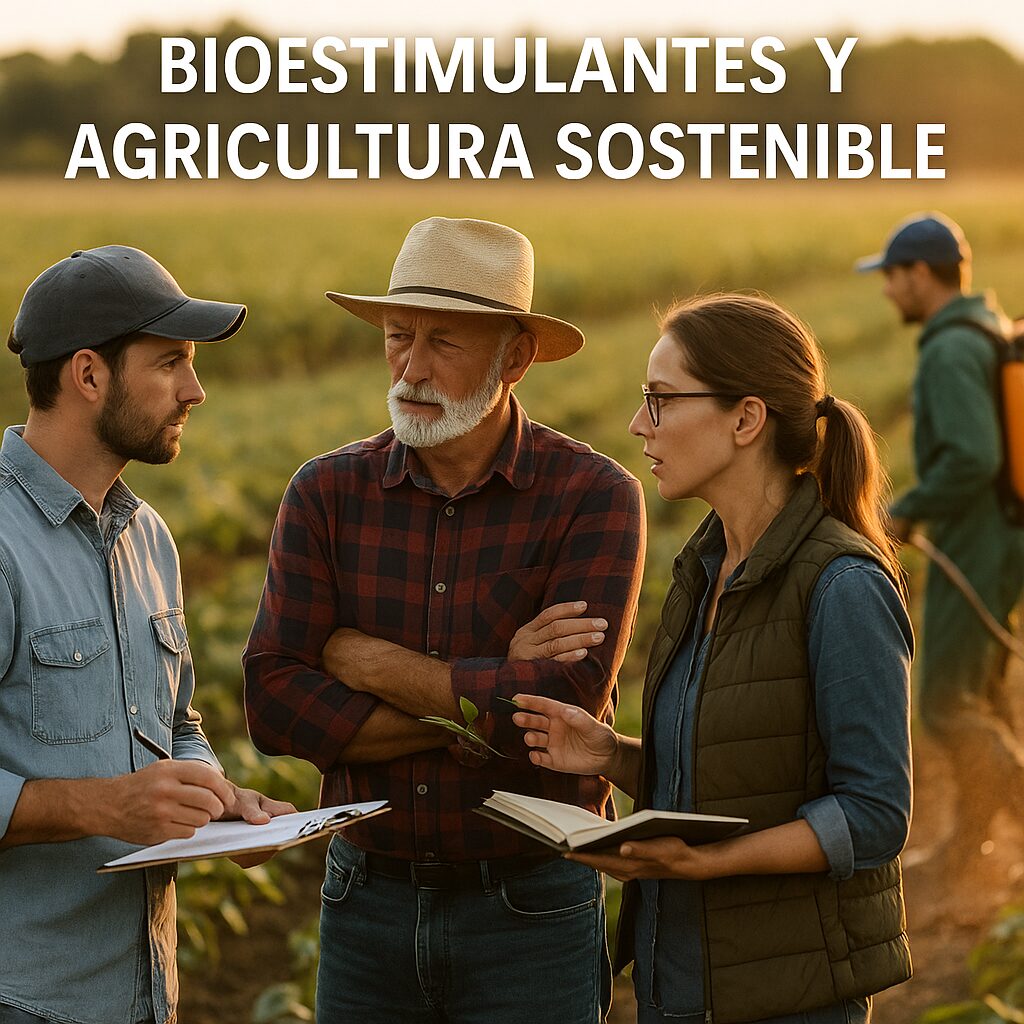
The changes in the bio-stimulants regulation in Europe imply additional costs and the need for training for farmers. Below is a table with the average prices of bio-stimulants by type and region:
| Type of Bio-stimulant | Region | Price per Liter (EUR) |
|---|---|---|
| amino acids | Northern Europe | 25 |
| amino acids | Southern Europe | 20 |
| Seaweed Extracts | Northern Europe | 30 |
| Seaweed Extracts | Southern Europe | 22 |
| Humic Acids | Northern Europe | 27 |
| Humic Acids | Southern Europe | 21 |
Implementation Costs
In addition to the prices of bio-stimulants, farmers must also consider the costs associated with implementing the new regulation. These may include expenses for research and development to meet certification requirements, as well as additional costs for purchasing inputs that comply with the new regulations. A case study in France revealed that farmers who implemented bio-stimulants according to the new regulations saw a 20% increase in their input costs, but also a 30% increase in their crop yields. This demonstrates that, although initial costs may be high, in the long run, the investment can be profitable.
For example, a farmer in the Provence region who applied a humic acid-based bio-stimulant to his grape crops reported an increase in grape production of 1.5 tons per hectare, representing a 25% increase compared to the previous year. This farmer highlighted that, despite the initial investment in bio-stimulants, the increase in production allowed him to recover his investment in less than a season.
Furthermore, it is crucial for farmers to evaluate the long-term benefits of implementing bio-stimulants, as these can contribute to reducing operational costs related to fertilizers and pesticides. An analysis conducted by the Agronomic Institute of France showed that farmers who adopted bio-stimulants experienced a 15% reduction in chemical input costs, complementing the improved yields.
Long-term Economic Benefits
The long-term economic benefits of implementing bio-stimulants can be significant. A cost-benefit analysis conducted in the UK showed that farmers who adopted bio-stimulants experienced a return on investment (ROI) of up to 300% over a five-year period. This analysis considered not only the increase in yields but also the reduction in the use of chemical fertilizers and the improvement of soil health.
Additionally, farmers who implement sustainable practices, such as the use of bio-stimulants, may access subsidies and government funding programs designed to promote organic agriculture. For example, in several EU countries, rural development programs offer financial incentives to farmers who adopt technologies that improve sustainability and resource use efficiency.
There has also been an increase in demand for sustainably grown agricultural products, which can result in higher market prices for farmers using bio-stimulants. A market study in the Netherlands revealed that agricultural products certified as organic or sustainable can fetch prices up to 20% higher compared to conventional ones, translating into greater profit margins for farmers.
Training and Capacity Building
Training is a crucial aspect for adapting to the new regulation. Agricultural organizations and universities are expected to collaborate to offer courses and workshops that inform farmers about legal requirements, best practices for applying bio-stimulants, and sustainable crop management. Training should include not only theory but also field practices where farmers can experience firsthand the effects of bio-stimulants on their crops.
For example, in Italy, workshops have been held teaching farmers how to conduct efficacy tests on their crops, using bio-stimulants efficiently. Such initiatives are essential to ensure that farmers are well-informed and can make data-driven decisions. In a recent workshop in the Lazio region, participants learned to measure nutrient content in the soil before and after applying bio-stimulants, allowing them to observe significant improvements in soil fertility.
Training should also include the use of emerging technologies, such as soil sensors and digital monitoring systems, which can help farmers optimize the application of bio-stimulants. A case study in Germany showed that farmers who used precision technologies to apply bio-stimulants achieved a 15% increase in nutrient use efficiency, resulting in higher yields and reduced input costs.
Development of Educational Materials
To support the training of farmers, educational materials and online resources are being developed that address various aspects of using bio-stimulants. These materials will include practical guides, tutorial videos, and case studies showcasing successful implementations. For example, infographics are being created to illustrate the mode of action of different types of bio-stimulants and their benefits in specific crops, facilitating farmers’ understanding of how and when to apply these products.
Moreover, online learning platforms are gaining popularity, allowing farmers to access courses and webinars from the comfort of their homes. A study conducted by the University of Córdoba found that farmers who participated in online training programs showed a 50% increase in their knowledge about bio-stimulants and their application, translating into more effective use of these products in the field.
The creation of online communities can also be beneficial, as it allows farmers to share experiences and best practices regarding the use of bio-stimulants. Social media platforms and specialized forums provide a space for farmers to connect and discuss their results, which can lead to a faster learning curve and the adoption of innovations in the use of bio-stimulants.
Related Articles
Need Professional Help?
At Ecoganic, we offer Bio-stimulants and sustainable agriculture.
Our Experience
At Ecoganic, we have over 10 years of experience in the development and application of bio-stimulants in various regions of Europe. We have worked on projects in Spain, Italy, and France, where we have implemented solutions tailored to the needs of local farmers. Our products have proven to improve the yield of crops such as olives and grapes, contributing to more sustainable and profitable agricultural practices.
Field Results
Our field trials have shown promising results. In a project conducted in Andalusia, a bio-stimulant based on amino acids was applied to olive crops, resulting in a 25% increase in olive production compared to the control group. This increase was attributed to improvements in photosynthesis and drought resistance, characteristics that are essential for agriculture in arid climates. In this trial, the photosynthesis rate was measured using a gas exchange meter, and it was observed that plants treated with bio-stimulants showed photosynthesis rates 30% higher than those of the control group.
Similarly, in grape cultivation in the Bordeaux region, it was observed that the application of seaweed extracts not only increased grape yield by 18% but also improved the quality of the wine produced, increasing its score in expert tastings by 15%. This phenomenon is attributed to the improvement in the concentration of phenolic compounds in the grapes, which are crucial for wine quality. Studies conducted in oenology laboratories confirmed that the application of these bio-stimulants resulted in a 12% increase in anthocyanin concentration, contributing to a more intense color and flavor in the wine.
A recent trial on strawberry crops in the Huelva region demonstrated that the application of a plant extract-based bio-stimulant resulted in a 30% increase in production, as well as improved resistance to fungal diseases, which is critical in strawberry production. This result was measured by comparing the incidence of diseases in treated and untreated crops, showing a 40% reduction in the presence of pathogens in the crops that received the bio-stimulant.
Collaboration with Researchers
At Ecoganic, we work closely with research institutions to validate the efficacy of our bio-stimulants. Through controlled trials and long-term studies, we have been able to gather significant data that supports our claims about the effectiveness of our products. A recent study in collaboration with the University of Zaragoza demonstrated that our bio-stimulants can increase water retention in the soil by up to 30%, which is crucial in drought-prone regions. This increase in water retention translates into a reduction in the need for irrigation, which in turn decreases operational costs for farmers.
Moreover, we have participated in research on the use of microorganisms in agriculture. A trial conducted in northern Italy showed that inoculating crops with certain beneficial microorganisms, combined with our bio-stimulants, resulted in a 40% increase in corn production compared to untreated crops. These microorganisms help improve nutrient availability and protect roots from soil diseases, demonstrating the potential of bio-stimulants in modern agriculture.
Collaboration with researchers has also allowed for the development of new products that address specific needs of farmers, such as bio-stimulants designed for specific crops or particular climatic conditions. This ensures that our products are not only effective but also aligned with local agricultural practices and the needs of farmers.
Adapting to New Regulations
We are committed to helping our clients adapt to the new regulations. We offer personalized advice and educational resources so that farmers can understand and comply with the new requirements. This includes creating user manuals, application guides, and the availability of technical assistance in the field. Our team of experts is available to conduct audits on farmers’ farms, helping them identify best practices and implement bio-stimulant programs that comply with the new regulations.
Additionally, we have developed a certification program for our products, ensuring that they meet the standards of the new regulation. This program includes laboratory testing, field trials, and reviews of technical documentation. This not only benefits farmers but also enhances consumer confidence in agricultural products that use bio-stimulants. With the growing demand for sustainably produced food, farmers who adopt these practices will be better positioned in the market and can access premium prices for their products.
Adapting to the new regulations can also open opportunities for creating strategic alliances between farmers, manufacturers, and research entities, which can result in knowledge and resource sharing that benefits the entire agricultural supply chain.
Continuous Innovation and Sustainable Future
Continuous innovation is essential for the development of bio-stimulants that align with new regulations and the changing needs of farmers. At Ecoganic, we are investing in research and development to create products that not only meet current standards but also anticipate future trends in sustainable agriculture. This includes exploring new sources of raw materials for bio-stimulants, such as agricultural waste and by-products from the food industry, which can be transformed into effective and sustainable solutions.
A recent study from the University of Barcelona highlighted that using organic waste as a base for bio-stimulant production not only reduces waste but also improves soil quality and plant health. This circular approach to bio-stimulant production could represent a viable solution to current agricultural challenges while contributing to environmental sustainability.
In conclusion, the new bio-stimulants regulation in Europe presents challenges and opportunities for farmers. With the right support, training, and innovative products, it is possible to transform these regulations into tangible benefits that drive more sustainable and profitable agriculture.
Frequently Asked Questions
What changes does the new bio-stimulants regulation in Europe bring?
The new regulation requires bio-stimulant products to meet effectiveness and safety standards, which implies documenting their benefits and effects.
How does this affect the prices of bio-stimulants?
Prices may increase due to the certification and documentation costs required by the new regulation.
What documentation do I need as a farmer?
Documents will be needed to demonstrate the effectiveness and safety of the bio-stimulants used in the crops.
When does the new regulation come into effect?
The new bio-stimulants regulation in Europe comes into effect in 2026, so farmers must prepare in advance.
Does the regulation affect all types of crops?
Yes, the regulation applies to all crops that use bio-stimulants, regardless of type.
Will training be offered to adapt to the new regulations?
Training and workshops are likely to be offered to help farmers adapt to the new requirements.
Which brands of bio-stimulants will be affected?
All brands that market bio-stimulants will need to comply with the new regulation to continue operating in the European market.
Where can I get more information about the regulation?
You can consult official sources and agricultural organizations for updated information on the regulation and its implementation.