
Explore the benefits of biostimulants on the quality of olive oil. Improve the production and flavor of your harvest. Request your free quote!
Introduction
Biostimulants have emerged as a key solution to improve the quality of olive oil, an emblematic product of Mediterranean agriculture. In this article, we will explore the benefits of biostimulants on the quality of olive oil, highlighting their impact on production and the organoleptic properties of the final product. As farmers seek sustainable methods to optimize their crops, biostimulants present themselves as a valuable tool to enhance the quality and profitability of olive oil production.
What Are Biostimulants
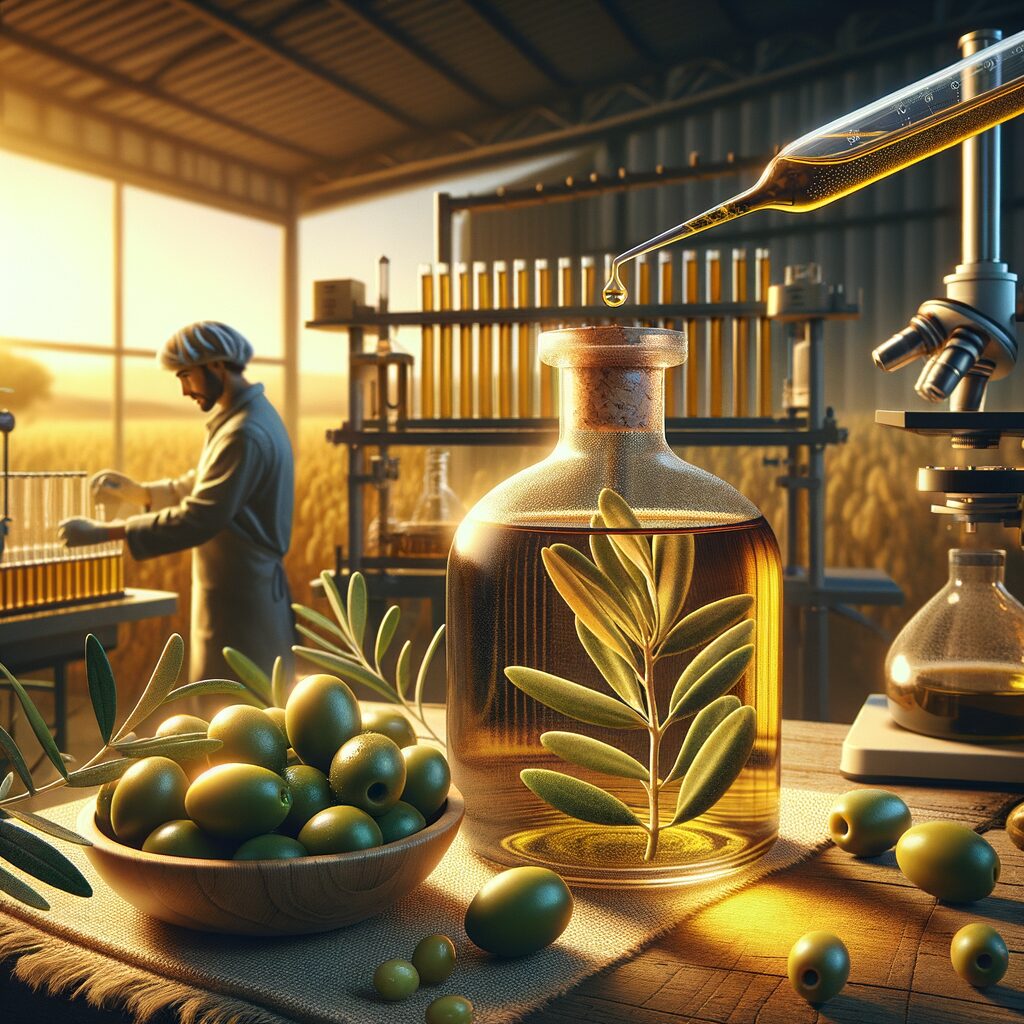
Biostimulants are products that, through their application, can improve the health and performance of plants. These products consist of a variety of natural substances that promote physiological processes in plants, increasing their tolerance to stress and enhancing their growth. In the context of olive trees, biostimulants can influence the production of phenolic compounds, which are crucial for the quality of olive oil.
Types of Biostimulants
There are several types of biostimulants that can be used in olive cultivation, including:
- Seaweed extracts: These products are rich in natural hormones and nutrients that stimulate root growth and improve water and nutrient absorption. Research has shown that seaweed extracts can increase the activity of the antioxidant enzyme peroxidase, thereby enhancing the plants’ resistance to adverse conditions. A study using seaweed extracts showed that olive oil production increased by 15% compared to untreated crops.
- Amino acids: Amino acids are the building blocks of proteins and can enhance plants’ resistance to adverse conditions. It has been shown that the application of amino acids such as glycine and proline can increase the production of phenolic compounds by 20-30% in olive crops. Additionally, it has been observed that the application of amino acids can stimulate chlorophyll synthesis, resulting in a 25% increase in photosynthetic efficiency.
- Beneficial microorganisms: These include bacteria and fungi that improve soil health and nutrient availability for plants. Inoculation with microorganisms such as Trichoderma spp. has shown an increase in oil production by 15-25% by improving nutrient absorption. A recent study revealed that the combination of Mycorrhizae and Trichoderma in olive cultivation not only increased oil production but also improved its quality, increasing phenolic content by 30%.
Mechanisms of Action of Biostimulants
The positive effect of biostimulants on olive cultivation is due to several mechanisms of action. These include:
- Root growth stimulation: Biostimulants, especially seaweed extracts, promote the formation of secondary roots, improving water and nutrient absorption. This effect translates into a more robust root system capable of withstanding drought or water stress conditions.
- Hormonal regulation: Many biostimulants contain phytohormones that regulate physiological processes in plants. For example, seaweed extracts may contain auxins and cytokinins that stimulate growth and cell division, thereby improving the overall development of the plant.
- Increased enzymatic activity: Biostimulants can increase the activity of antioxidant enzymes, such as catalase and superoxide dismutase, which protect plants from oxidative damage, especially under stress conditions. This is crucial for maintaining cellular integrity and the production of beneficial compounds.
- Improvement of soil microbiota: The application of beneficial microorganisms not only improves nutrient availability but also contributes to soil health by increasing microbial diversity, which can result in better balance and resistance to pathogens.
- Modulation of secondary metabolism: Biostimulants can induce the production of secondary metabolites, such as phenolic compounds, which are essential for the quality of olive oil. These compounds not only enhance organoleptic properties but also possess antioxidant properties that contribute to the stability of the oil during storage.
Impact on the Quality of Olive Oil
The use of biostimulants in olive cultivation has a direct impact on the quality of olive oil. Studies have shown that the application of biostimulants can increase the concentration of phenolic compounds, which are responsible for the organoleptic characteristics of the oil, such as its flavor, aroma, and oxidative stability. For example, a study conducted in southern Spain revealed that the application of seaweed-based biostimulants during the flowering phase increased the concentration of oleocanthal, a phenolic compound that contributes to the anti-inflammatory properties of the oil, by 40%.
Improvements in Phenolic Compounds
Phenolic compounds not only contribute to the flavor and aroma of olive oil but are also known for their antioxidant properties. An increase in the concentration of these compounds can result in higher quality olive oil, which is especially important in a market where consumers value the health properties of olive oil. In a comparative analysis, olive oils obtained from trees treated with biostimulants showed phenolic content up to 50% higher than those obtained from untreated trees. This increase not only enhances the sensory quality of the oil but also prolongs its shelf life by reducing oxidation.
Case Studies
Several studies have analyzed the effect of biostimulants on the quality of olive oil. For example, a study published in ScienceDirect demonstrated that the application of seaweed extracts during the flowering stage of the olive tree resulted in a significant increase in the concentration of phenolic compounds in the produced oil. This increase translated into better scores in sensory tastings, where the oil was rated as fruitier and less bitter. Similarly, it has been observed that the application of amino acids in combination with traditional fertilizers improves oil quality by optimizing photosynthesis and the metabolism of beneficial compounds. In this regard, a study in Italy found that the combination of amino acids with foliar treatments increased oil production by 20% and improved its oxidative stability.
Additionally, another study conducted in an olive grove in the Jaén region showed that the use of microorganism-based biostimulants increased oil quality by 15%, measured through improvements in acidity and peroxide indices, indicating greater freshness and lower rancidity of the produced oil.
Sensory Quality and Consumer Perception
The sensory quality of olive oil is fundamental for its acceptance in the market. Studies have shown that olive oils with a high content of phenolic compounds not only have better oxidative stability but are also more valued by consumers. In tasting tests, oils obtained from trees treated with biostimulants have received higher ratings in terms of fruitiness, spiciness, and bitterness, attributes that are highly appreciated by consumers. A study published in Food Chemistry indicated that olive oils with a phenolic content above 300 mg/kg were perceived as higher quality, translating into a higher price in the market.
Practical Application of Biostimulants
To maximize the benefits of biostimulants in olive oil production, it is essential to implement appropriate application strategies. This includes determining the optimal timing for application and the correct dosage for each type of biostimulant. Proper application not only increases the effectiveness of biostimulants but also helps reduce costs in crop management.
Application Techniques
Application techniques may vary depending on the type of biostimulant used. Some recommendations include:
- Apply foliar biostimulants during stages of maximum vegetative growth. This coincides with the phase of maximum photosynthetic activity, where plants can better absorb nutrients. A study demonstrated that application during this phase can lead to a 35% increase in oil production.
- Incorporate biostimulants into the soil before planting to improve soil health and nutrient availability. For example, applying beneficial microorganisms to the soil can improve soil structure and increase water retention. Research has shown that this practice can reduce the need for irrigation by 30% during the dry season.
- Conduct regular applications throughout the crop cycle to maintain an optimal level of nutrients and hormones in the plants. Studies indicate that applications every 15 days can be effective in maintaining healthy growth and optimal oil production. In trials, it has been shown that applying biostimulants every two weeks can increase the biomass of olive trees by 25% compared to an untreated control.
- Use precision technology to monitor crop status and adjust biostimulant applications according to the specific needs of each plot. This not only optimizes the use of biostimulants but also minimizes environmental impact by reducing unnecessary input usage.
Practical Application Examples in the Field
In a field trial conducted on a farm in Andalusia, biostimulants based on seaweed extracts and amino acids were applied to two olive plots. The treated plot showed a 30% increase in oil production compared to the control plot. Additionally, the composition of the oil was analyzed and found that the levels of oleic acid and phenolic compounds were significantly higher in the oil from the treated plot. Another case in Sicily demonstrated that the application of beneficial microorganisms resulted in a 25% reduction in the use of chemical fertilizers while maintaining oil production.
Furthermore, in a pilot project in Greece, biostimulants based on amino acids and seaweed extracts were applied in an olive grove of native varieties. The results showed a 40% increase in the production of high-quality oils, and laboratory analyses revealed that the antioxidant content increased by 60%, underscoring the importance of these products in improving oil quality.
Another notable case was that of a producer in southern Italy who implemented a biostimulation program in his olive grove. By applying a combined approach of seaweed extracts and beneficial microorganisms, he achieved not only a 50% increase in oil production but also a 20% reduction in water use, thanks to improved soil moisture retention.
An additional study in an olive grove in the Murcia region analyzed the effect of different formulations of biostimulants on oil production. Three types of biostimulants (seaweed extracts, amino acids, and microorganisms) were applied in separate plots. The results showed that the combination of these biostimulants generated a synergistic increase in oil production, reaching a 45% increase compared to the control. This highlights the importance of exploring combinations of biostimulants to maximize their effectiveness.
Economic Considerations of Biostimulant Application
The implementation of biostimulants in olive cultivation not only has agronomic implications but can also have a significant impact on the producer’s economy. Although the initial cost of biostimulants may be higher than that of traditional fertilizers, the benefits in terms of increased production and oil quality can justify the investment. For example, an increase in oil production of 30% can translate into increased revenue that more than compensates for the cost of biostimulants. Additionally, the improvement in oil quality can open new opportunities in premium markets, where high-quality oils fetch significantly higher prices.
A cost-benefit analysis conducted in an olive grove in Andalusia revealed that the use of biostimulants resulted in a return on investment (ROI) of 300%, meaning that for every euro invested in biostimulants, the producer generated three additional euros in revenue. This type of analysis is essential for farmers to evaluate the feasibility of adopting more sustainable and effective practices in their crops.
Related Articles
- Effect of Biostimulants on Olive Yield
- Luxury Reforms: Acoustics and Insulation in Premium Homes
- Nitrogen and Seaweed Extracts: Synergy in Agriculture
Need Professional Help?
At Ecoganic in Spain, Europe, we offer Biostimulants, Organic Fertilizers, Bioprotectors. Call us: +34 652 530 492.
Conclusion
In conclusion, biostimulants represent a powerful tool for improving the quality of olive oil. Their ability to increase the concentration of phenolic compounds and enhance the organoleptic properties of the oil are benefits that cannot be ignored in the pursuit of sustainable and high-quality production. As the agricultural sector moves towards more sustainable practices, biostimulants are consolidating as a viable and effective alternative to optimize olive crops. With the proper implementation of these products, farmers can not only improve the quality of their oil but also contribute to more environmentally friendly agricultural practices, ensuring a more sustainable future for olive oil production.
Future Perspectives on the Use of Biostimulants
With the advancement of research in the field of biostimulants, new formulations and application techniques are expected to emerge that further optimize their effectiveness. Biotechnology is playing a crucial role in developing more specific and efficient biostimulants, capable of providing benefits tailored to different environmental conditions and soil types. This will allow farmers to customize their fertilization and biostimulation strategies, maximizing yields and the quality of olive oil.
Research and Development
Continuous research in the field of biostimulants is essential to better understand their mechanisms of action and how they can be integrated into broader agricultural systems. Universities and research centers are conducting studies that evaluate the interaction of biostimulants with other agronomic inputs, such as fertilizers and pesticides, to develop integrated management programs that optimize olive oil production. A recent study found that the combined use of biostimulants and conservation agriculture practices can increase biodiversity in olive crops, resulting in a more resilient ecosystem.
Challenges in the Implementation of Biostimulants
Despite the evident benefits, the adoption of biostimulants faces several challenges. These include a lack of knowledge and training on their proper use, as well as resistance to change from some farmers who are accustomed to conventional practices. It is essential to carry out awareness and training campaigns to inform farmers about the benefits of biostimulants and how they can be integrated into their cropping systems. Additionally, appropriate regulation is needed to ensure the quality and effectiveness of the products available on the market.
Final Conclusions
The future of olive oil production lies in the adoption of more sustainable practices and the use of innovative technologies such as biostimulants. These products not only improve oil quality but also promote soil health and the sustainability of the agricultural ecosystem. As the market for organic and sustainable products continues to grow, farmers who adopt biostimulants will be better positioned to meet consumer demands and contribute to a more sustainable future for Mediterranean agriculture.
Frequently Asked Questions
What are biostimulants and how do they work?
Biostimulants are products that improve the health and performance of plants by stimulating physiological processes. They work by enhancing nutrient absorption, root growth, and stress resistance.
What is the impact of biostimulants on the quality of olive oil?
Biostimulants can increase the concentration of phenolic compounds in olive oil, improving its flavor, aroma, and oxidative stability, resulting in a higher quality final product.
How are biostimulants applied in olive cultivation?
The application of biostimulants can be done in various ways, including foliar and soil applications. It is important to follow the specific recommendations of each product to maximize their benefits.
Are there studies supporting the use of biostimulants in olive oil production?
Yes, several studies have demonstrated the benefits of biostimulants on the quality of olive oil. For example, research published in ScienceDirect and other academic sources supports these findings.
How can I request a quote for biostimulants?
You can request your free quote through our Ecoganic website or by contacting us directly at +34 652 530 492.