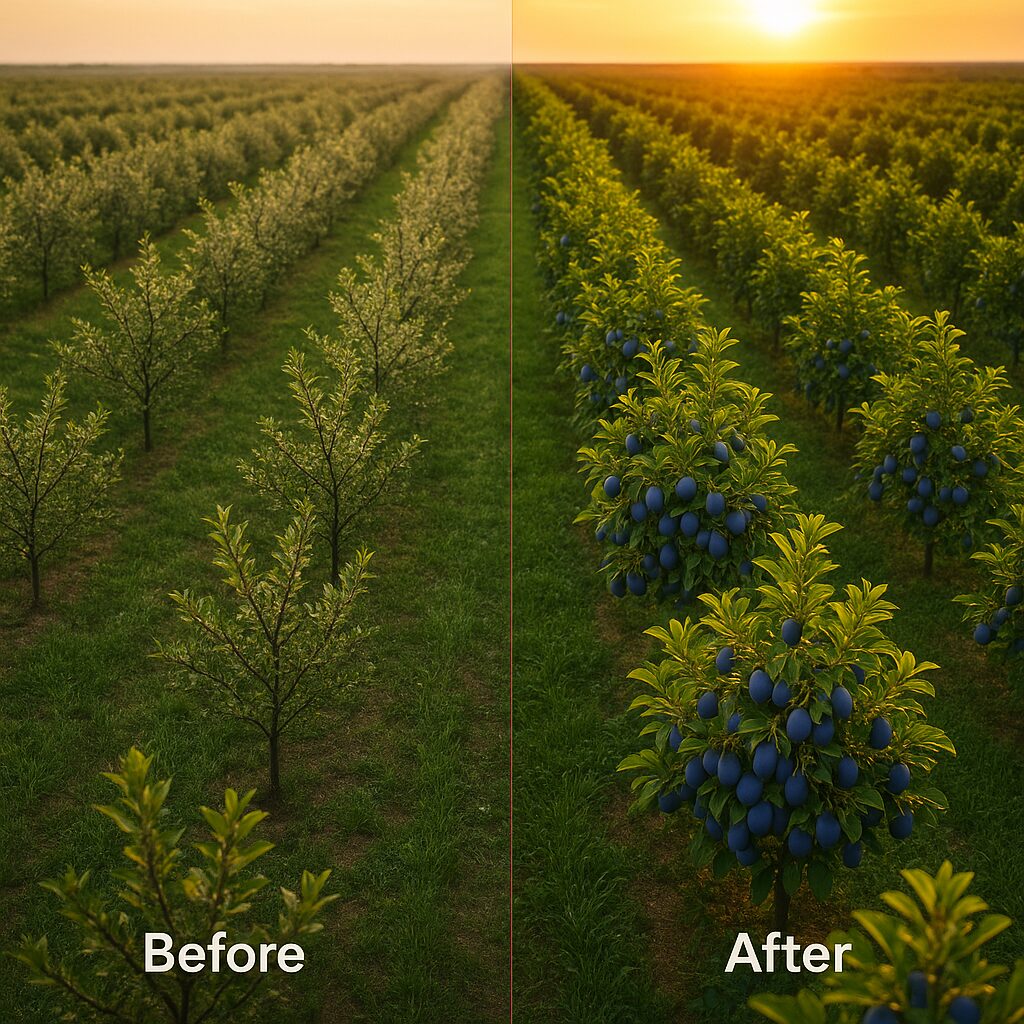
Discover how the use of biostimulants can improve flowering in plums and optimize your harvest. Request your free quote with Ecoganic!
Introduction
Flowering in plums is a crucial process that determines the quality and quantity of the harvest. In this context, biostimulants have emerged as valuable tools to optimize this process, contributing to the health and productivity of crops. In this article, we will explore how biostimulants can improve flowering in plums, providing sustainable solutions for farmers looking to maximize their yield.
Benefits of Biostimulants
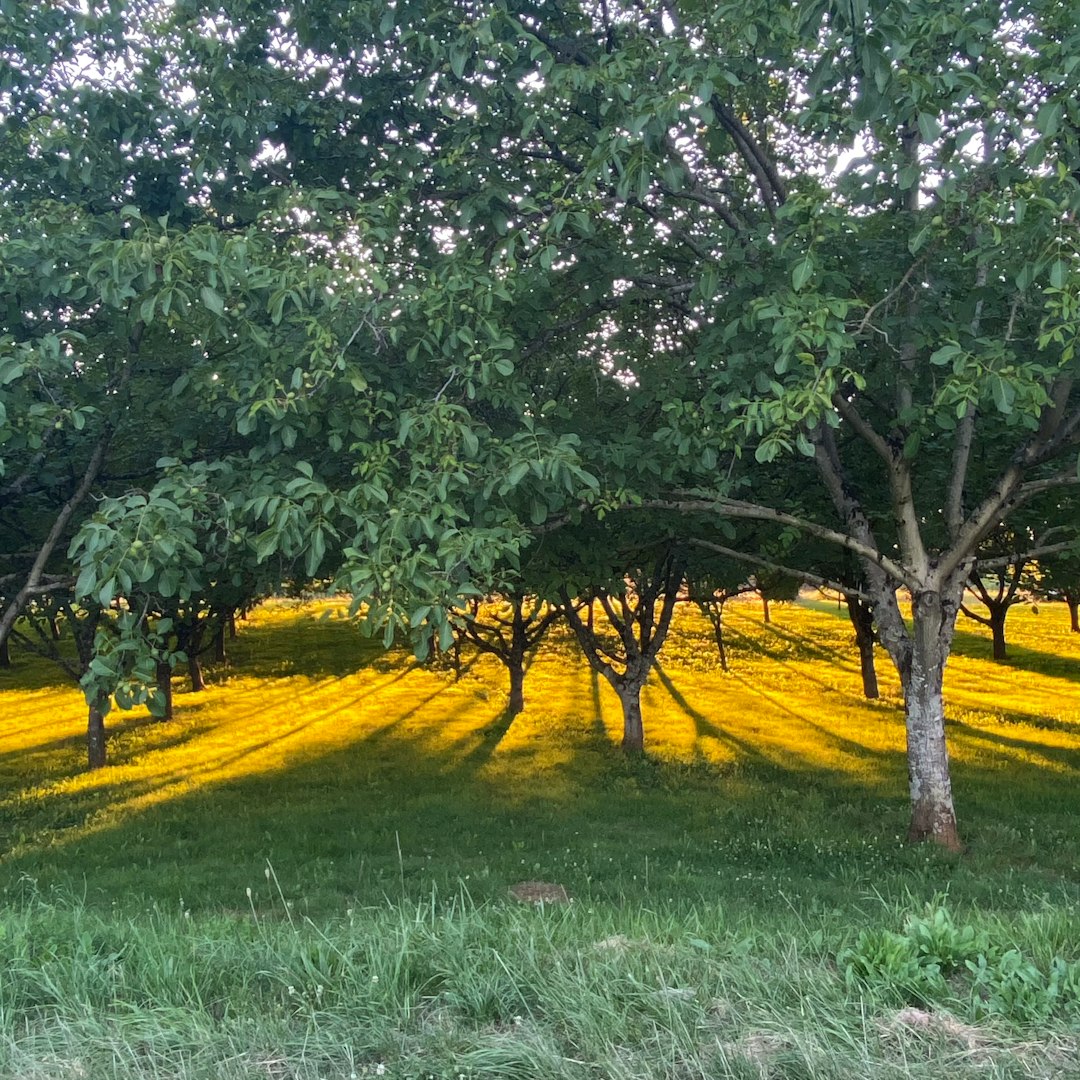
Biostimulants are products that, derived from natural extracts and microorganisms, improve plant health and their ability to withstand adverse conditions. Among their most notable benefits are:
- Root growth stimulation: Biostimulants promote the development of stronger and more extensive roots, increasing the absorption of nutrients and water.
- Increased stress tolerance: They help plants adapt to extreme climatic conditions, such as droughts or frosts, improving their resilience.
- Improvement of flowering: They promote flower formation, which positively impacts fruit production.
Studies on Biostimulants
Recent research indicates that the use of biostimulants can influence flowering in plums. For example, a study published in ScienceDirect showed that the application of certain extracts increased the number of flowers and improved the quality of the fruits. In particular, it was observed that biostimulants based on amino acids and plant hormones increased the fruit set rate by 25%. This is because these compounds promote the activity of the enzymes responsible for auxin synthesis, which are fundamental for floral development.
Specific Biochemical Mechanisms
Biostimulants act through various biochemical mechanisms that affect plant physiology. A key aspect is the promotion of protein synthesis involved in flower formation. The presence of free amino acids in biostimulants can stimulate the production of specific proteins that regulate the development of floral buds. A study conducted by the University of California revealed that the application of amino acid-based biostimulants increased protein production by 30%, which translated into a significant increase in the number of flowers and fruits formed. Additionally, studies have shown that the activation of the gibberellin signaling pathway by biostimulants promotes cell elongation and bud growth, contributing to more abundant flowering.
Interaction with Soil Microorganisms
Biostimulants also encourage the activity of beneficial microorganisms in the soil, such as bacteria and mycorrhizal fungi, which play an essential role in crop health. These interactions can improve nutrient availability, such as phosphorus, which is crucial for root development and flowering. A study conducted in plum orchards in Italy demonstrated that the application of biostimulants increased the mycorrhizal population by 50%, which correlated with a 20% increase in flower production. This highlights the importance of soil microbiology in the effectiveness of biostimulants. Furthermore, the activity of these microorganisms can improve soil structure, facilitating moisture and nutrient retention, which is especially beneficial under water stress conditions.
Application of Biostimulants in Plums
To maximize the benefits of biostimulants in flowering plums, it is essential to consider the dosage and timing of application. Below are practical recommendations:
Timing of Application
The application of biostimulants should be carried out at critical phases of the plum growth cycle, especially during the onset of flowering and the development of floral buds. This ensures that plants make the most of the bioactive compounds. An effective approach is to perform applications in three stages: at the beginning of budding, at the flowering stage, and during fruit growth. This maximizes the availability of nutrients and hormones at key moments, which can result in a 30% increase in the number of flowers produced. Additionally, studies have shown that the application of biostimulants at the floral bud stage can promote better floral differentiation, resulting in a greater number of flowers. For example, in a trial in a plum plantation in Chile, biostimulants were applied just before flowering, resulting in a notable improvement in the number of flowers formed and, consequently, in fruit production.
Recommended Dosage
It is important to follow the manufacturer’s instructions to determine the appropriate dosage. In general, it is recommended to start with low doses and gradually increase them, always observing the plants’ response. For example, an initial dose of 1-2 liters per hectare of a seaweed extract-based biostimulant may be effective, increasing to 3-4 liters in subsequent applications. This approach allows for the evaluation of the plants’ response and adjustment of the dosage as needed, thus optimizing yield without the risk of phytotoxicity. A study conducted in a plum plantation in Portugal demonstrated that the application of biostimulants at a dosage of 2 liters per hectare during the flowering phase resulted in a 40% increase in flower production compared to the control. Additionally, assessing the overall health of the plants and the quality of the fruits can help farmers adjust the dosage effectively.
Mechanisms of Action of Biostimulants
Biostimulants act through several biochemical mechanisms that influence plant physiology. One of the most relevant mechanisms is the activation of the auxin signaling pathway, which are key plant hormones in floral development. Additionally, biostimulants can increase the production of endogenous phytohormones, such as gibberellins and cytokinins, which also play a crucial role in flowering and fruit development. For example, a study conducted on Blackamber plums demonstrated that the application of a yeast extract-based biostimulant increased gibberellin concentration by 40%, resulting in earlier and more abundant flowering. Furthermore, it has been found that some biostimulants can enhance the activity of the enzyme 1-aminocyclopropane-1-carboxylate (ACC) synthase, which is involved in the biosynthesis of ethylene, an important regulator in the maturation and flowering process. These mechanisms are fundamental to understanding how biostimulants can be used to optimize flower and fruit production in plums.
Interaction with Nutritional Elements
Biostimulants not only affect the production of plant hormones but can also interact with the availability of essential nutrients. For example, some biostimulants have been shown to increase the absorption of nitrogen and phosphorus, key elements for growth and flowering. A study conducted in a plum orchard in Greece showed that the application of a seaweed extract-based biostimulant increased nitrogen concentration in the leaves by 15%, which translated into a 25% increase in flower production. These results suggest that biostimulants can improve nutrient use efficiency, which is fundamental for agricultural sustainability. Additionally, the synergy between biostimulants and conventional fertilization can lead to optimized fertilizer use, reducing costs and minimizing environmental impact.
Success Stories
Several farmers have reported significant improvements in the flowering of their plums after implementing biostimulants. For example, a farmer in Spain experienced a 20% increase in the number of flowers and a 15% increase in fruit quality by using a seaweed extract-based biostimulant. These results highlight the potential of biostimulants as allies in sustainable agriculture. Another notable case is that of a producer in Chile who, by applying an amino acid-based biostimulant during the flowering phase, observed a 35% increase in fruit set, resulting in a significant increase in total production. These cases demonstrate that the use of biostimulants not only improves the quantity of flowers but can also positively affect fruit quality, which is crucial for marketing.
Practical Examples of Field Application
In practice, the application of biostimulants in plums can be carried out in various ways, with fertigation and foliar spraying being the most common. In a trial conducted in a plum plantation in Italy, a biostimulant was applied in the form of fertigation in a drip irrigation program, resulting in a 25% increase in flower production compared to a control without treatment. Foliar application, on the other hand, has been successfully used in plum crops in California, where a seaweed extract-based biostimulant was sprayed on the trees during the flowering period, observing an increase of up to 30% in the number of flowers. Additionally, it has been documented that the use of biostimulants in combination with integrated pest management techniques has led to an overall improvement in crop health, reducing the incidence of diseases and pests, which in turn favors flowering and fruit production.
Environmental Considerations and Sustainability
The use of biostimulants not only improves flowering but also contributes to more sustainable agricultural practices. By reducing dependence on chemical fertilizers, biostimulants help minimize the environmental impact of agriculture. A case study in a plum orchard in France demonstrated that the implementation of a biostimulant program reduced the use of nitrogen fertilizers by 40%, without compromising harvest yield. Such practices are not only beneficial for the environment but can also improve the long-term profitability of agricultural operations. Furthermore, by using biostimulants, the microbial biodiversity of the soil is promoted, which in turn can improve the health of the agricultural ecosystem. Promoting soil health is essential to ensure the sustainability of crops in the long term.
Regulations and Certifications
It is essential that the biostimulants used in agriculture comply with local and international regulations. In the European Union, for example, biostimulants must be registered and meet the requirements established by fertilizer legislation. Additionally, many biostimulants are certified under organic standards, allowing them to be used in the organic production of plums. This is especially relevant, as consumers are increasingly interested in products that are sustainable and eco-friendly, which can translate into added value in the market. As regulations on the use of chemicals in agriculture become stricter, biostimulants can offer a viable and safe alternative for farmers looking to meet sustainability standards. Transparency in the labeling of biostimulants and their composition is essential to build trust between consumers and producers.
Related Articles
Need Professional Help?
At Ecoganic in Spain, Europe, we offer Biostimulants, Organic Fertilizers, Bioprotectors. Call us: +34 652 530 492.
Conclusions
In summary, biostimulants represent a valuable tool for improving flowering in plums, contributing not only to an increase in the quantity and quality of production but also to more sustainable agriculture. Through proper application and at critical moments in the growth cycle, farmers can maximize the benefits of these products, achieving significant results in their crops. Research continues to show the potential of biostimulants, suggesting that their use will expand in the future, becoming a fundamental pillar of modern agriculture. It is essential for farmers to stay informed about advances in biostimulant research and adapt to new technologies to optimize their agricultural practices and ensure the sustainability of their productions.
Future Perspectives on the Use of Biostimulants
With the growing focus on sustainability and regenerative agriculture, the use of biostimulants is expected to continue to rise. Future research will focus on identifying new sources of biostimulants, as well as better understanding their mechanisms of action and their interactions with plant species. Efforts are being made to develop biostimulants specific to particular varieties of plums, which could further improve the effectiveness of these products in promoting flowering. For example, work on developing customized biostimulants that adapt to the specific soil and climate conditions of each region could revolutionize the way plum crops are managed. Additionally, the integration of biostimulants with precision agriculture practices will allow farmers to optimize their applications, improving efficiency and effectiveness in resource use.
Research on Biostimulants and Plant Genetics
In addition to studies on biostimulants, research in plant genetics is also beginning to play a crucial role in improving flowering in plums. By combining genetics with the use of biostimulants, researchers are developing plum varieties that are more responsive to these products. This approach could lead to a significant increase in the efficiency of biostimulants, allowing farmers to achieve better results in terms of flowering and fruit production. A recent study demonstrated that the combination of biostimulants with genetically improved plum varieties resulted in a 50% increase in flower production compared to conventional varieties. Additionally, genetic editing techniques are being explored that allow researchers to modify specific traits to improve the response to biostimulants, which could be an important advance in modern agriculture.
Implementation of Precision Technologies
The implementation of precision technologies, such as crop monitoring using drones and sensors, can also optimize the use of biostimulants. These technologies allow farmers to apply biostimulants more precisely, adjusting doses and application times according to the specific needs of the plants. For example, the use of drones for foliar application can reduce product use and minimize environmental impact while improving application efficiency. A study in a plum orchard in Australia showed that the application of biostimulants using drones resulted in a 30% increase in tree coverage and a 20% increase in flower production compared to traditional application methods. The combination of these technologies with artificial intelligence for data analysis can provide farmers with valuable information to make more informed decisions about managing their crops.
Education and Training for Farmers
Education and training of farmers on the use of biostimulants is essential to maximize their potential. Training programs that address the benefits, application methods, and proper management of biostimulants can help farmers make informed decisions. Initiatives such as workshops and seminars, as well as the creation of online educational resources, can facilitate the adoption of biostimulants and improve understanding of their impact on plum production. A program implemented in a plum-producing region in Mexico resulted in a 25% increase in the adoption of biostimulants among farmers who participated in the training, leading to significant improvements in flowering and fruit production. Additionally, establishing collaborative networks between farmers and biostimulant experts can foster the exchange of experiences and best practices, benefiting the entire agricultural community.
Related Articles
- Ecoganic
- Luxury Reforms: Acoustics and Insulation in Premium Housing
- Nitrogen and Seaweed Extracts: Synergy in Agriculture
Frequently Asked Questions
What are biostimulants?
Biostimulants are products that contain natural ingredients, such as microorganisms and plant extracts, that improve plant growth and health.
How are biostimulants applied?
They are generally applied through irrigation or spraying, following the recommended doses by the manufacturer.
Are biostimulants safe for the environment?
Yes, biostimulants are designed to be eco-friendly and sustainable, promoting responsible agricultural practices.
Can biostimulants increase production?
Biostimulants can improve plant health and crop quality, which can translate into higher production.
Where can I purchase biostimulants?
You can purchase biostimulants through agricultural distributors or directly on our website Ecoganic.