“`html
Agriculture in Latin America is at a crucial turning point. With a growing global awareness of the need for sustainable agricultural practices and an increasing demand for healthy and responsibly produced food, the region faces the opportunity to lead a transformation towards a greener and more resilient future. However, this path is not without challenges, from the need to adapt traditional techniques to the implementation of new technologies and the adoption of more environmentally friendly approaches.
In this dynamic context, the search for innovative and efficient solutions becomes paramount. Farmers and companies in the sector are exploring alternatives to conventional methods, recognizing the long-term impacts of intensive practices on soil health, biodiversity, and ultimately, on the quality of the food that reaches our tables. This transition opens up a range of possibilities for those seeking to offer solutions that not only improve productivity but also contribute to the sustainability of the planet.
An Evolving Agricultural Landscape in Latin America
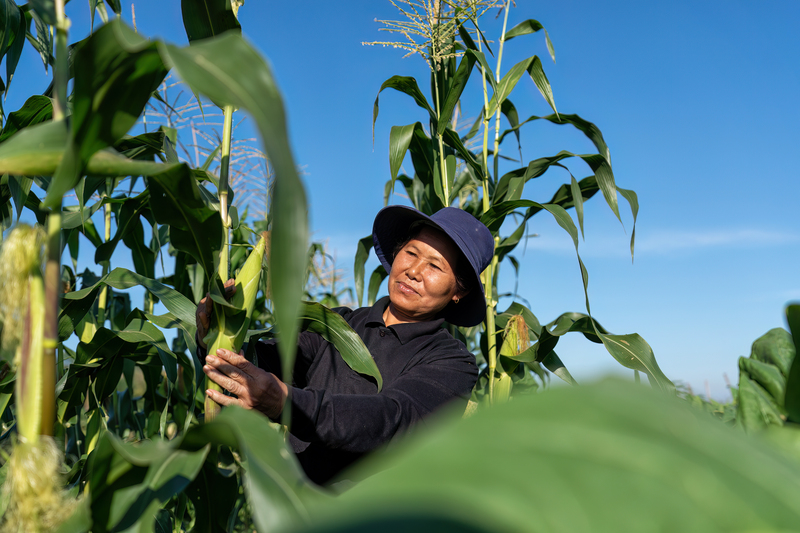
Latin America, with its vast expanse of fertile land and rich biodiversity, plays a fundamental role in global food production. Countries like Argentina, Brazil, Colombia, and Chile are agricultural powerhouses that supply both their internal markets and a growing international demand. However, this success has often come with practices that have raised concerns regarding sustainability.
Soil degradation, water pollution from excessive use of synthetic agrochemicals, and loss of biodiversity are some of the challenges that Latin American agriculture must urgently address. This is compounded by the growing pressure from consumers, both locally and globally, who demand food produced more ethically and sustainably.
This scenario has driven an increasing interest in agricultural approaches that prioritize ecosystem health and minimize environmental impact. Organic agriculture, with its principles of respect for nature and the use of biological inputs, presents itself as a promising alternative for building a more resilient and sustainable agricultural future in the region.
The Crucial Role of Ecological Inputs: Fertilizers, Biostimulants, and Fungicides
In the transition towards more sustainable agriculture, ecological inputs play a fundamental role. Manufacturers of ecological fertilizers are developing innovative solutions that nourish plants in a balanced way, improving soil health in the long term and reducing dependence on synthetic fertilizers, whose negative effects on the environment are well known.
Ecological biostimulants are also gaining ground as key tools to improve crop efficiency and increase their resistance to abiotic stress, such as drought, high temperatures, or soil salinity. These products, derived from natural sources, act as catalysts for the physiological processes of plants, optimizing their growth and yield in an environmentally friendly manner.
On the other hand, ecological fungicides offer a safe and effective alternative for controlling diseases in crops, avoiding the use of synthetic chemical products that can be harmful to human health and the environment. These products, based on beneficial microorganisms, plant extracts, or natural minerals, strengthen plant defenses and prevent the proliferation of pathogens in a sustainable way.
The adoption of these ecological inputs not only benefits the environment and consumer health but can also improve the profitability of farmers in the long term by reducing costs associated with synthetic inputs and enhancing the quality and value of their products.
The Opportunity of “Private Label” in the Ecological Inputs Sector
In this context of growing demand for sustainable agricultural solutions, an interesting opportunity arises for companies looking to offer their own ecological products without incurring the costs and complexity of manufacturing. The concept of private label presents itself as a smart strategy to enter this expanding market.
The private label ecological fertilizers allows companies to market their own ecological fertilizers under their own brand and packaging, but manufactured by a specialized third party. This gives them the flexibility to offer a wide range of ecological products to their customers without the need to invest in production infrastructure.
Similarly, private label biostimulants offers the possibility to market ecological biostimulants under their own brand, leveraging the expertise and production capacity of specialized manufacturers. This strategy can be especially attractive for agricultural input distribution companies, cooperatives, or even food brands looking to strengthen their commitment to sustainability.
The key to success in the private label ecological inputs market lies in finding reliable and experienced manufacturers of ecological fertilizers and biostimulants who can guarantee the quality and effectiveness of the products. These manufacturers must have certifications that endorse their commitment to organic production and must be able to offer customized solutions that meet the specific needs of each client.
Challenges and Opportunities in the Latin American Market
The ecological inputs market in Latin America presents enormous growth potential, driven by increasing environmental awareness, demand for healthy food, and government regulations promoting sustainable agriculture. However, there are also challenges that must be addressed to fully capitalize on this opportunity.
One of the main challenges is the need to increase the adoption of ecological agricultural practices by farmers. This requires a joint effort from governments, research institutions, sector companies, and farmer organizations to provide training, technical assistance, and access to information about the benefits and best practices of organic agriculture.
Another significant challenge is the need to strengthen the production and distribution infrastructure of ecological inputs in the region. It is essential to invest in the creation of ecological fertilizer factories and other biological inputs locally, to reduce dependence on imports and ensure a reliable and affordable supply for farmers.
Despite these challenges, the opportunities offered by the ecological inputs market in Latin America are undeniable. Companies that can offer innovative, effective, and affordable solutions, and that establish strong relationships with farmers and other sector players, will be well positioned to thrive in this growing market.
The Role of Research and Innovation
Research and innovation are fundamental pillars for the development of the ecological inputs sector in Latin America. It is necessary to invest in the search for new sources of raw materials for the production of fertilizers and ecological biostimulants, as well as in the development of more efficient and sustainable technologies for their manufacturing.
Collaboration between research institutions, universities, and companies in the sector is crucial to drive innovation and adapt ecological solutions to the specific conditions of each region and type of crop in Latin America. The exchange of knowledge and experiences at the international level can also be very valuable to accelerate the development and adoption of new technologies and practices.
Conclusion: A Sustainable Future for Latin American Agriculture
The transition towards more sustainable agriculture in Latin America is a complex but inevitable process. The growing demand for healthy and responsibly produced food, along with the need to protect the environment and ensure long-term food security, are driving a paradigm shift in the agricultural sector.
Manufacturers of fertilizers and ecological biostimulants, as well as companies that bet on the private label model, have a crucial role to play in this transformation. By offering innovative, effective, and affordable solutions, they can help Latin American farmers adopt more sustainable practices and build a greener and more resilient agricultural future for the region.
The opportunity is there, waiting to be seized by those who understand the importance of sustainability and are willing to invest in the development and promotion of ecological solutions for the agriculture of the future in Latin America.
“`