Explore the mechanisms of action in the water stress of the olive tree and how biostimulants can enhance its resistance and health. Contact us for more!
Introduction
The olive tree (Olea europaea) is an emblematic crop in Mediterranean agriculture, known for its resilience and adaptability. However, water stress represents one of the main challenges for its sustainable production. Understanding the mechanisms of action in the water stress of the olive tree is crucial for developing effective management and biostimulation strategies that optimize the health and productivity of this crop. In this article, we will explore how water stress affects the olive tree, the mechanisms it implements to survive, and how biostimulants can be allies in this process.
Impact of Water Stress on the Olive Tree
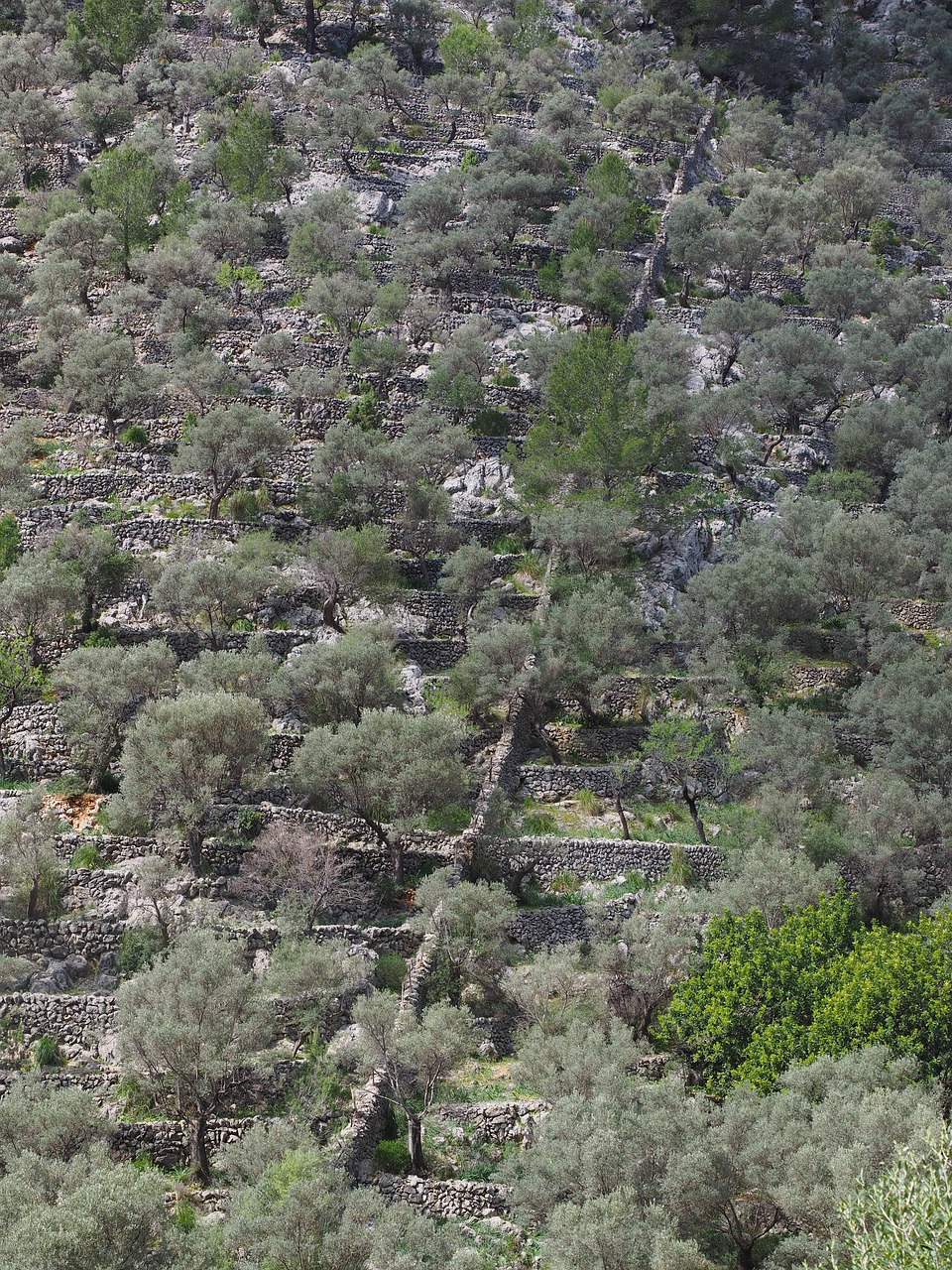
Water stress in the olive tree can be caused by adverse climatic conditions such as prolonged droughts, extreme temperatures, or unsuitable soils. This stress can lead to a series of negative effects that impact the physiology of the tree and its ability to produce quality olives.
Physiological Effects
When the olive tree experiences water stress, several physiological changes are observed, including:
- Reduction of photosynthesis: The lack of water causes stomatal closure, limiting the entry of CO2 and, therefore, photosynthesis. Studies have shown that a 50% reduction in water availability can decrease the photosynthesis rate by 30%. This decrease in photosynthesis not only affects the plant’s energy production but also impacts the synthesis of vital secondary metabolites for the health of the olive tree.
- Alteration in growth: The biomass of roots and aerial parts may be affected, limiting the development of the tree. One study showed that olives subjected to severe drought conditions had a 40% reduced root growth compared to those with adequate access to water. This phenomenon limits the tree’s ability to explore the soil and absorb nutrients, further exacerbating the stress.
- Decrease in production: Lower quantity and quality of fruits, affecting the profitability of the crop. Under water stress conditions, olive production can decrease by up to 60% compared to optimal conditions. Additionally, the fruits produced under water stress often have a smaller size and quality, negatively impacting the commercial value of olive oil.
Impact on Biochemical Compounds
Water stress also affects the biochemical composition of olives. It has been observed that the concentration of phenolic compounds, which are responsible for the antioxidant properties of olive oil, can be altered. Under stress conditions, the production of these compounds may initially increase but then decrease drastically as the stress intensifies, affecting the quality of the produced oil. Research has shown that the concentration of oleocanthal and oleacein, anti-inflammatory compounds in olive oil, can decrease by up to 50% under severe drought conditions. These changes not only affect the quality of the oil but also its health benefits, which are one of the main attractions of olive oil in the market.
Mechanisms of Action of the Olive Tree
The olive tree has developed various mechanisms of adaptation to water stress that allow it to survive in unfavorable conditions. These mechanisms are fundamental to understanding how the resilience of the crop can be improved through appropriate agronomic practices.
Physiological Mechanisms
Among the main mechanisms of action of the olive tree in response to water stress are:
- Accumulation of osmoprotectors: Olive trees increase the synthesis of osmoprotective compounds such as proline and soluble sugars, which help maintain cellular turgor and protect cells from osmotic damage. Proline, in particular, can accumulate in concentrations of up to 20 μmol/g of fresh weight under severe drought conditions. Additionally, it has been shown that the accumulation of soluble sugars can increase by 30% under stress conditions, contributing to cellular osmoprotection. This mechanism is essential for the survival of the olive tree, as it allows cells to maintain their structural and functional integrity during periods of water scarcity.
- Hormonal modulation: Water stress causes an increase in the production of hormones such as abscisic acid (ABA), which plays a crucial role in regulating stomatal closure and adapting to drought conditions. It has been shown that increased ABA can reduce transpiration by 50%, helping to conserve water in the system. Furthermore, the interaction of ABA with other hormones such as auxin and gibberellin can influence the growth and development of the olive tree under stress conditions. This hormonal balance is vital for the adaptation of the olive tree to a changing environment and can be manipulated through the application of biostimulants to enhance the crop’s response to stress.
- Development of deep roots: To access deeper water sources, olive trees develop a more extensive root system, allowing for better water absorption. In dry soils, it has been observed that root length can increase by 30% in response to water stress. This root development is also associated with the expression of genes that regulate root elongation and branching, improving water foraging capacity. The ability of olive trees to adapt their root system is a key factor for their survival in arid environments, and management strategies that promote this development can be very beneficial.
Genetic Mechanisms
In addition to physiological mechanisms, the olive tree also employs genetic mechanisms to adapt to water stress. Certain olive varieties have been identified to possess specific genes that are activated in response to drought, promoting the expression of stress tolerance-related proteins. For example, genetic markers associated with drought resistance have been found in the ‘Arbequina’ variety, which can be used in breeding programs. It has also been documented that the activation of genes related to the synthesis of heat shock proteins (HSP) and dehydration tolerance proteins are key in the olive tree’s response to water stress. Recent research has shown that manipulating these genes through biotechnology techniques could open new avenues for developing olive varieties that are more resistant to water stress, which would be a significant advancement for sustainable agriculture.
Biostimulants and Water Stress
Biostimulants are products that promote plant growth and health through biological mechanisms. In the context of water stress in the olive tree, biostimulants can be a valuable tool to improve the crop’s response to drought conditions.
Types of Biostimulants
Biostimulants can be classified into different categories based on their origin and mode of action:
- Seaweed extracts: These products contain bioactive compounds that stimulate metabolic activity and can help the plant manage water stress. For example, the seaweed extract Ascophyllum nodosum has been shown to increase the activity of the enzyme superoxide dismutase, which protects cells from oxidative damage. Additionally, it has been proven that seaweed extracts can increase the production of phytohormones, thus improving the olive tree’s response to water stress. In field trials, it has been observed that the application of these extracts can result in an increase in olive production of up to 20% during drought years.
- Amino acids: Amino acids can improve stress tolerance by promoting the synthesis of osmoprotectors and hormonal modulation. The application of amino acids such as glycine-betaine has shown to increase proline concentration by 25% in olives under water stress. Furthermore, it has been observed that the application of amino acids can facilitate plant recovery after exposure to stress, improving the growth rate once conditions normalize. A controlled study revealed that olives treated with amino acids showed a 15% increase in biomass after rehydration.
- Beneficial microorganisms: The application of microorganisms can improve soil health and nutrient availability, which can be critical during periods of water stress. For example, inoculation with Rhizobium and Azospirillum can increase nitrogen fixation, promoting better growth under drought conditions. Likewise, the interaction of mycorrhizae with olive roots has been shown to increase water and nutrient absorption, improving tolerance to water stress. In a field study, it was observed that olives inoculated with mycorrhizae exhibited a 30% increase in water absorption compared to non-inoculated ones, translating into better overall tree health.
Evidence of Effectiveness
Several studies have demonstrated that the application of biostimulants can improve the olive tree’s response to water stress. For example, it has been observed that the use of seaweed extracts can increase proline concentration in olive leaves, thus improving drought tolerance. A trial conducted in Andalusia showed that trees treated with biostimulants had a 30% increase in olive production compared to those that did not receive treatment, even under drought conditions. Additionally, recent research has shown that the use of biostimulants can result in an increase of up to 50% in the levels of phenolic compounds in olive oil, enhancing its quality and commercial value. It is important to mention that these results vary depending on the application and type of biostimulant used, so continuous evaluation and adjustments in management practices are required.
Application of Biostimulants in the Field
The application of biostimulants in the field requires a strategic approach. Foliar application is recommended at critical times in the olive tree’s growth cycle, such as during the flowering phase and at the onset of ripening. Additionally, it has been observed that combining different types of biostimulants can have synergistic effects, further improving stress tolerance. For example, a mixture of seaweed extracts and amino acids has proven to be more effective than their individual application, increasing resistance to water stress by 40%. The use of biostimulants in conjunction with controlled deficit irrigation practices has also been suggested, allowing for maximized water use and improved overall crop health. A case study in olive-growing regions in Greece showed that the combination of biostimulants and deficit irrigation resulted in a 25% increase in olive production, demonstrating the effectiveness of these integrated practices.
Related Articles
- Effect of Biostimulants on Olive Yield
- How to Correct Nitrogen Deficiency in Olive Trees
- Luxury Reforms: Acoustics and Insulation in Premium Homes
Need professional help?
At Ecoganic in Spain, Europe, we offer Biostimulants, Organic Fertilizers, Bioprotectors. Call us: +34 652 530 492.
Practical Implementation and Recommendations
For producers looking to implement biostimulation strategies in their olive crops, it is essential to follow certain recommendations:
- Soil Assessment: Conduct a soil analysis to understand its water retention capacity and nutrient availability. This analysis should include measuring soil texture, pH, and organic matter levels, which will allow for the correct selection of biostimulants. Additionally, it is recommended to assess soil microbiology, as healthy soil can positively influence the effectiveness of biostimulants. Soil with a good population of microorganisms can improve soil structure and increase water retention capacity, which is crucial under water stress conditions.
- Selection of Biostimulants: Choose products that are specific for olives and have demonstrated effectiveness under water stress conditions. It is advisable to opt for biostimulants containing active ingredients supported by scientific studies. Additionally, considering the origin of biostimulants and their impact on the sustainability of the crop is fundamental. Selecting biostimulants from sustainable sources can also contribute to a positive public perception of agriculture and olive oil.
- Timely Application: Apply biostimulants at critical moments, such as before drought periods, to maximize their effectiveness. Application should be done under suitable temperature conditions and avoiding peak sunlight hours to improve absorption. It is suggested to perform applications in combination with irrigation to facilitate the penetration of biostimulants into the root system. The frequency of application may vary, but a regular application program during the most critical phases of olive development is recommended.
- Monitoring Results: Monitor the crop’s response to the applied biostimulants. This can include monitoring parameters such as photosynthesis rate, root growth, and olive production, allowing for adjustments to strategies as necessary. The use of monitoring technologies such as drones and soil moisture sensors is recommended to obtain precise data that facilitate decision-making. Data analysis tools can also help producers optimize their practices and maximize the production of quality olives.
Considerations on Sustainability
The implementation of biostimulants in olive cultivation not only focuses on improving production and oil quality but also has significant implications for agricultural sustainability. By reducing dependence on chemical inputs, biostimulants contribute to more sustainable and environmentally friendly agricultural practices. For example, the use of beneficial microorganisms can help restore soil microbiota, improving ecosystem health and promoting a more balanced nutrient cycle. Additionally, the rational use of water resources through biostimulants can contribute to mitigating water scarcity, a growing challenge in many olive oil-producing regions.
Example of Integration of Biostimulants in Agronomic Practices
A practical example of the integration of biostimulants in olive agriculture can be observed in a project carried out in southern Spain, where a water management program was implemented along with the application of biostimulants. In this project, farmers applied seaweed extracts and amino acids in combination with controlled deficit irrigation. The results showed that, after two years of implementation, the olives not only maintained their production but also increased the quality of the oil, reflected in a 20% increase in the tasting score of the produced oils. This approach not only benefited producers economically but also contributed to the conservation of water resources and the improvement of soil health.
Future Research and Development
Research on biostimulants and their application in olive cultivation is constantly evolving. New studies are exploring the combination of biostimulants with agronomic management practices to optimize their effectiveness. For example, formulations combining seaweed extracts with specific microorganisms are being investigated to enhance the olive tree’s response to water stress. Additionally, the use of advanced technologies, such as genetic editing and biotechnology, could enable the development of olive varieties that are not only more resistant to water stress but also have a greater capacity to benefit from the application of biostimulants. This multidisciplinary approach promises to improve the sustainability and profitability of olive cultivation in the future.
Socioeconomic Impact
The implementation of biostimulants in olive cultivation not only has agronomic benefits but can also have a significant impact on the local economy. By improving the production and quality of olive oil, farmers can achieve higher incomes, contributing to the economic development of rural communities. Furthermore, the use of more sustainable practices can increase the acceptance of olive oil in international markets, where consumers value products that are produced responsibly. Therefore, the adoption of biostimulants not only benefits farmers but can also have a positive effect on the agricultural economy as a whole.
Frequently Asked Questions
How can I identify if my olive tree is suffering from water stress?
Signs include wilted leaves, premature fruit drop, and decreased growth.
Are biostimulants safe for the environment?
Yes, most biostimulants are formulated from natural raw materials and are compatible with sustainable agricultural practices.
What is the best time to apply biostimulants to olive trees?
It is recommended to apply biostimulants before flowering and during drought periods to improve resistance.
Can biostimulants replace fertilizers?
No, biostimulants complement plant nutrition but should not replace conventional fertilizers.
What studies support the use of biostimulants in olives?
Numerous academic studies and field trials have demonstrated the effectiveness of biostimulants in improving water stress tolerance in olives, as published in agronomy journals.