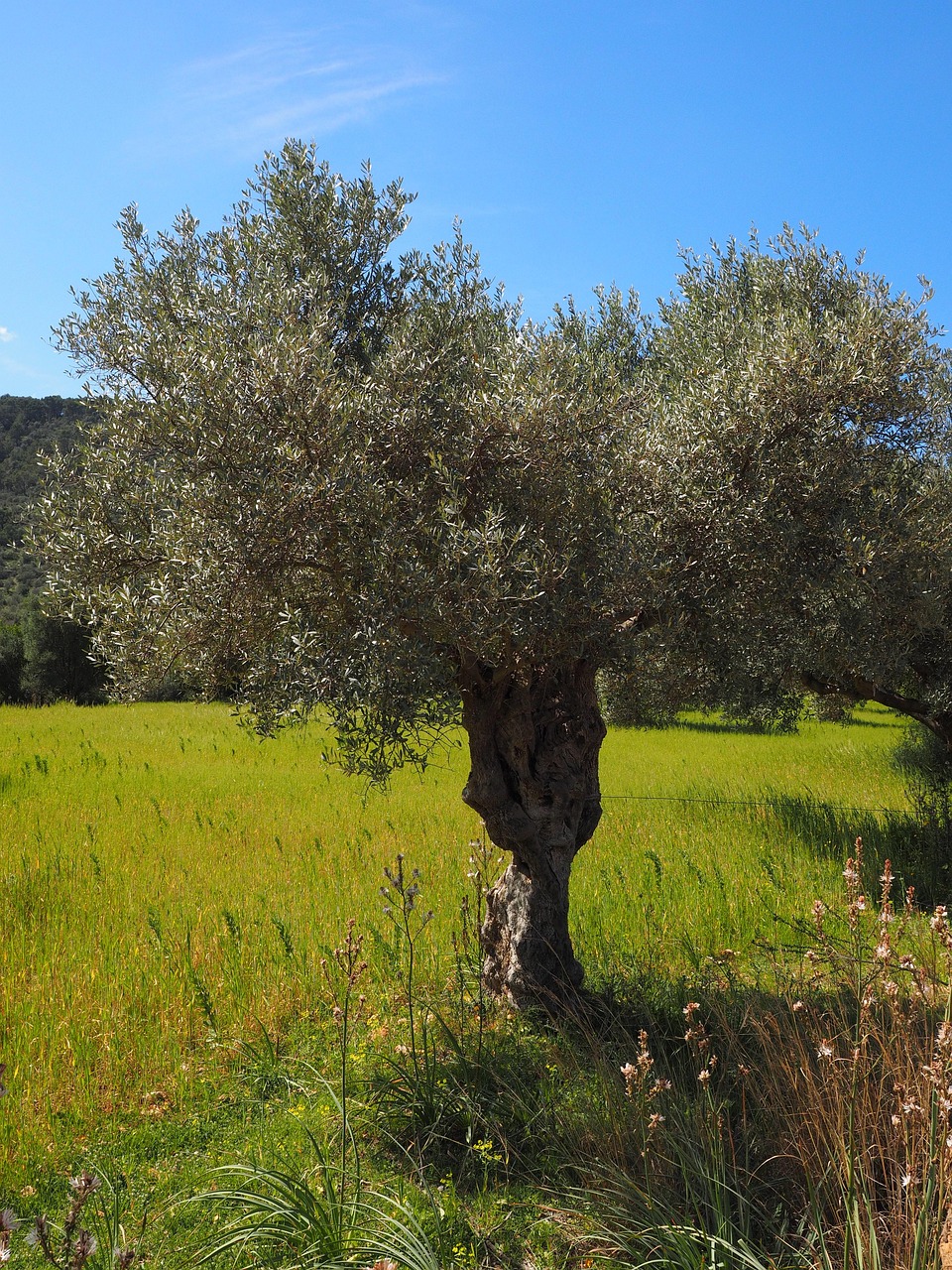
Explore the effect of biostimulants on olive sprouting. Improve the production and quality of your crops. Contact us for more information!
Introduction
The sprouting of olives is a crucial process that determines olive production and, therefore, the profitability of the crop. In this context, biostimulants have emerged as effective tools to optimize this process. This article explores the impact of biostimulants on olive sprouting, providing valuable information for producers and professionals in the agricultural sector.
What are biostimulants?
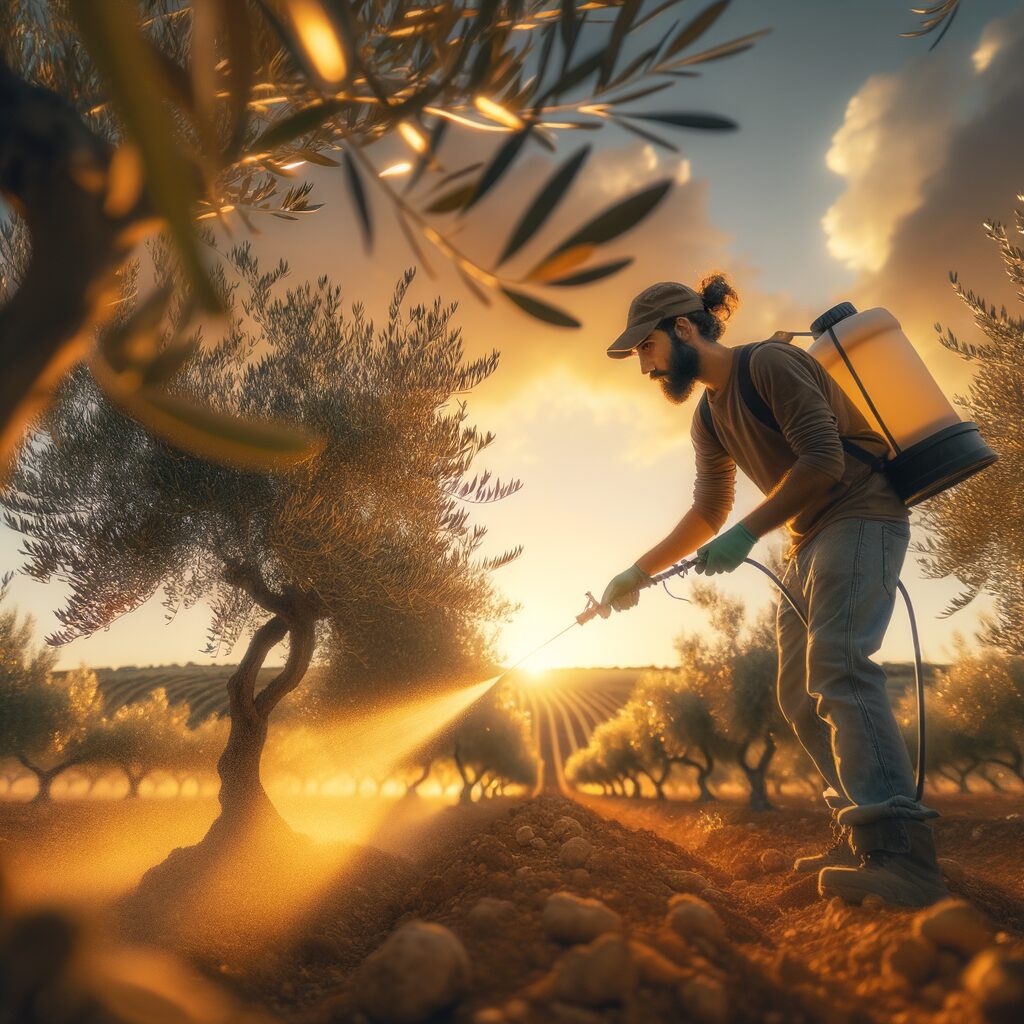
Biostimulants are substances or microorganisms that, when applied to plants, promote natural processes that enhance growth and productivity. These products can be based on natural extracts, beneficial microorganisms, or bioactive compounds. Their use in sustainable agriculture has increased due to their ability to improve nutrient efficiency and stress tolerance.
Classification of biostimulants
- Plant extracts: Derived from algae, fungi, or plants, which provide hormones and nutrients.
- Microorganisms: Bacteria and fungi that promote soil and plant health.
- Bioactive compounds: Substances that stimulate the metabolic activity of plants.
Importance of biostimulants in modern agriculture
Currently, the use of biostimulants has become essential in modern agriculture, especially in high-value crops like olives. According to a study conducted by the FAO, it is estimated that the use of biostimulants can increase agricultural production by 20-30% under environmental stress conditions. This is crucial in a context where the demand for food is constantly increasing and natural resources are limited.
Furthermore, biostimulants can reduce the need for chemical fertilizers, which not only decreases production costs but also minimizes the environmental impact associated with their use. In a case study in Italy, it was observed that the application of biostimulants allowed for a 40% reduction in the application of nitrogen fertilizers, without compromising crop yield.
Effects of biostimulants on olive sprouting
The application of biostimulants in olive crops has shown positive effects on sprouting. These effects include:
Increased sprouting rate
Biostimulants favor the germination of buds and the formation of new shoots, resulting in a significant increase in the number of productive branches. Studies have shown that the use of biostimulants can increase the sprouting rate by 15-25%. For example, in trials conducted in the Jaén region, a 22% increase in sprouting of varieties like ‘Picual’ was observed after the application of algae extracts.
Additionally, the combination of different types of biostimulants, such as algae extracts and amino acids, has shown synergies that can further enhance this effect. In a trial in Córdoba, the combined application of both types of biostimulants resulted in a 30% increase in sprouting compared to untreated controls.
Improvement of shoot quality
The quality of the shoots is fundamental for olive production. Biostimulants contribute to the formation of stronger shoots, with greater photosynthetic capacity and better resistance to pests and diseases. In a field study in Córdoba, it was shown that shoots treated with biostimulants had 30% more chlorophyll, which translates into greater photosynthetic efficiency.
Moreover, the quality of the shoots is not only measured in terms of chlorophyll but also in their resistance to diseases. Recent research has shown that shoots treated with biostimulants exhibited 25% less incidence of fungal diseases, which is a key factor in ensuring a healthy harvest.
Stimulation of root growth
A strong root system is essential for the healthy development of the olive tree. Biostimulants stimulate root growth, improving the absorption of water and nutrients. A study in Granada demonstrated that the application of biostimulants increased root length by 40%, allowing for better uptake of essential nutrients such as nitrogen and phosphorus.
Additionally, the improvement in the root network also contributes to greater resistance to adverse conditions, such as droughts or compacted soils. In trials conducted in arid climates, it was observed that olives treated with biostimulants were able to maintain normal growth compared to untreated ones, which showed signs of water stress.
Mechanisms of action of biostimulants
The mechanisms through which biostimulants exert their effect on olive sprouting are diverse and complex:
Hormonal stimulation
Biostimulants can increase the production of plant hormones such as auxins and gibberellins, which are crucial for bud development. These hormones play a vital role in cell division and cell elongation, promoting sprouting. A recent study indicated that the application of a biostimulant based on algae extracts increased gibberellin levels by 45% in young olives.
Furthermore, hormonal regulation also extends to other compounds, such as cytokinins, which are responsible for cell growth and the formation of new buds. The combination of biostimulants that act on different hormonal pathways can maximize the effect on sprouting.
Improvement of soil microbiota
By favoring microbial diversity in the soil, biostimulants improve nutrient availability and the overall health of the crop. The application of beneficial microorganisms can increase soil microorganism activity by 50%. This is especially important in degraded soils, where microbiota may be compromised. An analysis of olives grown in clay soils showed that the incorporation of biostimulants increased the population of nitrogen-fixing bacteria, improving soil fertility.
The improvement of soil microbiota is also related to a greater water retention capacity, which is essential in regions with water scarcity. A study on olives under drought conditions revealed that soils treated with biostimulants showed 30% higher moisture retention compared to untreated soils.
Reduction of environmental stress
Biostimulants help plants tolerate adverse conditions, such as droughts or extreme temperatures, which is especially relevant in olive cultivation. A study conducted in southeastern Spain demonstrated that the application of biostimulants reduced water loss by 20% during drought periods, allowing olives to maintain their turgor and photosynthetic activity even under unfavorable conditions.
Moreover, biostimulants can activate metabolic pathways that increase the production of antioxidant compounds, helping plants combat oxidative stress. Research has shown that olives treated with biostimulants during heatwaves exhibited 35% less cellular damage compared to untreated ones.
Recommended practices for application
To maximize the benefits of biostimulants on olive sprouting, it is recommended to follow these practices:
Selection of the right product
It is crucial to choose a biostimulant that fits the specific needs of the crop and the soil conditions. It is advisable to conduct a soil analysis prior to application to determine which nutrients and microorganisms are needed. For example, if the soil shows deficiencies in phosphorus, a biostimulant containing mycorrhizae could be beneficial.
Additionally, it is important to consider the compatibility of biostimulants with other products used in the crop, such as fertilizers and phytosanitary products, to avoid negative interactions that may reduce their effectiveness.
Timing of application
Applications should be made at strategic times, such as before sprouting and during stress processes, to achieve optimal results. The application of biostimulants at the beginning of spring, just before sprouting, can maximize their effectiveness. In a trial in the province of Almería, it was observed that treatments applied at this time increased sprouting by 30% compared to late applications.
Moreover, application during periods of water or nutritional stress can be crucial to help plants recover and maintain their yield. Applications during flowering can also be beneficial to improve fruit set.
Doses and application methods
Adhering to recommended doses and using appropriate application methods (such as fertigation or foliar spraying) is essential to avoid negative effects. Fertigation is an effective technique that allows for the direct application of biostimulants to the root system, ensuring better absorption. A study on adult olives showed that fertigation of an amino acid-based biostimulant increased nutrient assimilation by 25%.
Foliar spraying, on the other hand, can be effective for applications aimed at improving photosynthesis and disease resistance. However, climatic and environmental conditions should be taken into account to avoid evaporation or runoff that may reduce the effectiveness of the treatment.
Case studies and results
Several studies have demonstrated the positive impact of biostimulants on olive sprouting. For example:
Study 1: Effect on early sprouting
A study conducted in Andalusia showed that the application of an algae extract-based biostimulant resulted in 25% more shoots compared to the control. Additionally, it was observed that the quality of the shoots also improved, with a 15% increase in chlorophyll content, indicating better photosynthetic capacity.
This study also revealed that olives treated with biostimulants exhibited greater resistance to pests, resulting in a 20% reduction in the need for phytosanitary applications during the growing season.
Study 2: Improvement in shoot quality
Research in Catalonia indicated that the use of biostimulants increased the quality of the shoots, improving disease resistance and the final production of olives. In this case, a 30% increase in resistance to fungal diseases was recorded, which translated into a lower need for phytosanitary treatments.
It was observed that shoots treated with biostimulants also had a higher nutrient content, resulting in higher quality of the harvested olives, reflected in a 15% increase in oil content compared to controls.
Study 3: Impact on long-term production
A long-term trial in an olive plantation in Murcia demonstrated that the regular application of biostimulants not only increased sprouting by 20% during the first three years but also improved olive production by 15% over five years. This study highlights the importance of sustained application of biostimulants to maximize long-term yield.
The results of this trial also showed that the quality of the produced olive oil was superior, with a 10% increase in quality score in sensory tastings, suggesting that biostimulants not only improve production quantity but also the quality of the final product.
Conclusion
Biostimulants represent a valuable tool for improving olive sprouting, contributing to a more sustainable and efficient production. For olive producers in Spain and Europe, the implementation of these solutions can make a significant difference in the profitability and sustainability of their crops. The adoption of biostimulants can not only enhance productivity but also reduce dependence on chemical inputs, promoting more responsible and environmentally friendly agricultural practices.
Future perspectives on the use of biostimulants
The future of biostimulant use in agriculture, especially in olive cultivation, looks promising. Research and development in this area are constantly evolving, with a growing focus on identifying new biostimulants that can offer additional benefits. For example, the effects of root exudates and their ability to interact with soil microbiota to improve plant health are being explored.
Innovations in biostimulant formulation
Innovations in the formulation of biostimulants are allowing for the creation of more effective and specific products. Biostimulants that combine multiple sources of action, such as plant extracts and microorganisms, are being developed to maximize effects on sprouting and growth. A recent study demonstrated that a combination of an algae-based biostimulant with a microbial inoculant increased sprouting by 35% compared to using each separately.
Integration with sustainable management practices
The integration of biostimulants with sustainable management practices, such as conservation agriculture and crop rotation, can further enhance their benefits. By improving soil health and biodiversity, biostimulants can contribute to more resilient and productive agricultural systems. A holistic approach that combines biostimulants with agroecological practices may be key to addressing future challenges in olive production.
Ongoing research and adaptation to climate change
With climate change affecting agriculture, research on biostimulants is focusing on adapting crops to changing climatic conditions. Studies are being conducted to evaluate how different biostimulants can help olives adapt to extreme temperatures and changes in water availability. The ability of biostimulants to improve resistance to environmental stress could be a crucial factor for the sustainability of olive cultivation in the future.
Recommendations for producers
For olive producers, it is essential to stay updated on the latest research and developments in the field of biostimulants. Participation in seminars, workshops, and agricultural fairs can provide valuable information about new technologies and products. Additionally, it is recommended to establish networks with other producers and experts in the field to share experiences and best practices in the use of biostimulants.
Evaluation of results and adjustment of strategies
It is crucial for producers to evaluate the results of biostimulant application and adjust their strategies as necessary. Monitoring sprouting, shoot quality, and olive production will allow farmers to adapt their practices and maximize the benefits of biostimulants. Implementing a monitoring system can facilitate data collection and informed decision-making.
Investment in training and education
Investing in training and education on the use of biostimulants and sustainable agricultural practices is key to long-term success. Producers should be willing to learn and experiment with new technologies that improve the health of their crops and the profitability of their operations. Collaboration with research institutions and universities can be an effective way to access updated knowledge and resources.
Related articles
- Ecoganic
- Effect of Biostimulants on Olive Yield
- Application Techniques for Biostimulants in Fruit Trees
Frequently Asked Questions
What are biostimulants?
Biostimulants are substances or microorganisms that enhance plant growth and productivity by promoting natural processes.
How do biostimulants affect olive sprouting?
Biostimulants increase the sprouting rate, improve shoot quality, and stimulate root growth.
When is the best time to apply biostimulants on olives?
It is recommended to apply biostimulants before sprouting and during periods of environmental stress.
What results can be expected from using biostimulants?
Increased quantity and quality of shoots, as well as an improvement in the overall health of the crop can be expected.