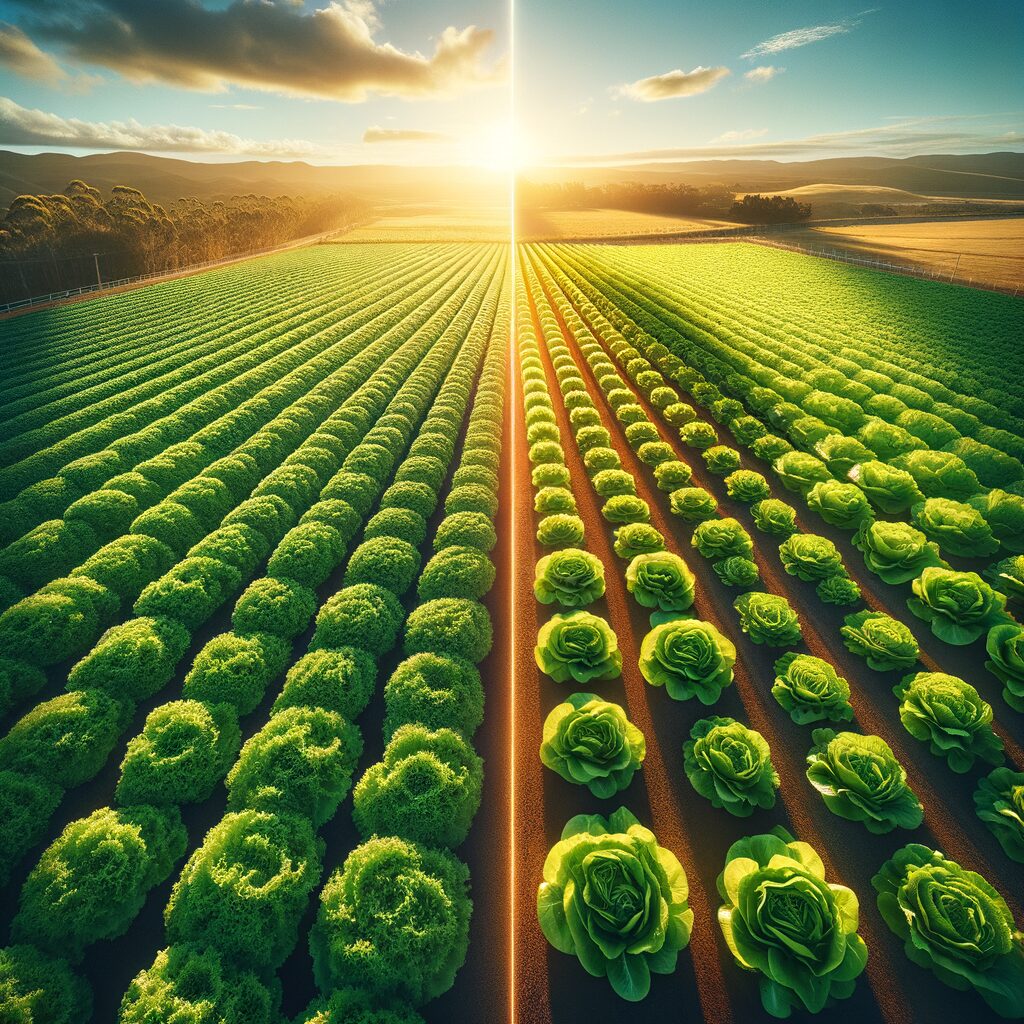
Discover everything about nitrogen fertilization in lettuce: recommended doses and ideal times for application. Improve your crops effectively.
Introduction
Nitrogen fertilization in lettuce is a crucial aspect to ensure optimal growth and a bountiful harvest. This crop, widely consumed around the world, requires an adequate supply of nitrogen to maximize its yield and quality. In this article, we will address the recommended doses and key moments for applying nitrogen fertilizers, helping farmers improve the productivity of their lettuce crops.
Nitrogen Fertilization Doses
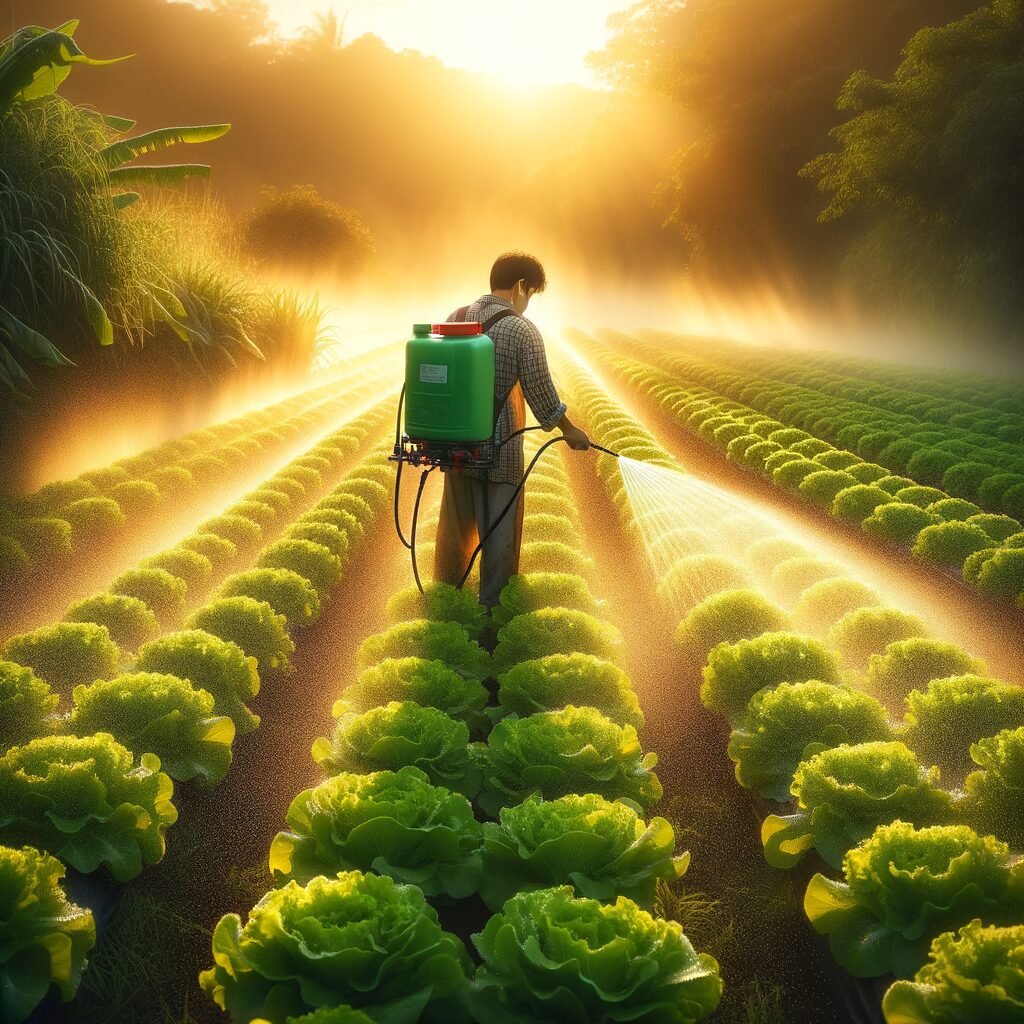
The dose of nitrogen fertilization varies according to several factors, such as soil type, lettuce variety, and climatic conditions. However, an approximate dose of 120 to 180 kg of nitrogen per hectare is recommended during the growing cycle. This amount can be adjusted according to the specific needs of each crop.
Factors to Consider for the Dose
- Soil Type: Soils with high organic matter may require less nitrogen. For example, in clay soils rich in organic matter, the recommended dose can be reduced by 20-30% due to the gradual release of nitrogen from organic matter. Additionally, sandy soils, which have lower nutrient retention capacity, may require more frequent and lower doses per application.
- Lettuce Variety: Some varieties are more demanding in nitrogen than others. Romaine lettuce varieties typically require more nitrogen than iceberg lettuce varieties, which can influence the applied dose. In a comparative study, it was observed that the romaine variety had a 25% higher growth with a dose of 150 kg of N/ha, while the iceberg showed optimal growth with 120 kg of N/ha.
- Climatic Conditions: Warmer climates can increase nitrogen demand. A study in greenhouse conditions showed that lettuces grown at temperatures above 25°C had a 15% increase in nitrogen absorption compared to crops at lower temperatures. Additionally, nitrogen availability can be affected by precipitation; in high humidity conditions, nitrogen can be leached, requiring adjustments in applications.
Determining the Optimal Dose
The determination of the optimal nitrogen dose should be based on soil and foliar analyses. Soil analyses allow for understanding the availability of nitrogen and other essential nutrients, while foliar analyses help identify the concentration of nitrogen in the leaves, which is a direct indicator of the plant’s nutritional status. A study conducted by the University of California showed that lettuces with foliar nitrogen levels between 3.0% and 4.5% exhibited optimal growth and high yield. Therefore, it is essential to conduct an initial soil analysis and, if possible, foliar analyses throughout the growing cycle to adjust the doses accurately.
Additionally, it is advisable to monitor plant growth by observing their coloration and development. Lettuces with nitrogen deficiency tend to show a pale green color, while those with an adequate nitrogen supply exhibit a deep green color and robust growth. This is because nitrogen is an essential component of chlorophyll, the pigment responsible for photosynthesis. An adequate nitrogen balance also influences the amino acid and protein content in the leaves, which is crucial for the nutritional quality of the final product.
Practical Example of Dose Application
In a lettuce crop in a region with clay soil and temperate climate, a farmer conducted a soil analysis that revealed low nitrogen availability. Based on this information, he decided to apply 150 kg of nitrogen per hectare, dividing the dose into three applications: 50 kg at the beginning of the vegetative growth, 50 kg during active growth, and 50 kg one week before harvest. This strategy resulted in high-quality lettuces, with a yield of 30 tons per hectare. Additionally, the farmer observed a 25% increase in nitrate content in the leaves, indicating an adequate nitrogen supply during the growing cycle. This case exemplifies the importance of a data-driven approach to fertilization, thus maximizing yield and crop quality.
Application Timing
The timing of nitrogen fertilization application is fundamental to ensure its effectiveness. It is recommended to divide the total dose into several applications:
Initial Applications
Make a first application at the beginning of vegetative growth, when the seedlings have developed their first true leaves. This initial application promotes vigorous growth and adequate leaf development. It is important that this first application is made when climatic conditions are favorable, avoiding periods of water stress that can affect nutrient absorption. Research has shown that an early nitrogen application can increase plant biomass by 30% compared to crops that do not receive this initial application. The timing of the application with root development is key; in this sense, it is recommended to make the first application when the roots have reached at least 10 cm in depth.
Cover Applications
Cover applications should be made at critical stages of development, such as during active growth and before harvest. This helps maintain an adequate level of nitrogen in the plant and improve the quality of the final product. In a field study, it was observed that lettuces that received a nitrogen application 15 days before harvest showed a 20% increase in chlorophyll content, which translated into greater commercial appeal. Additionally, these lettuces showed an increase in nutrient content, such as vitamin C and antioxidants, which are beneficial for consumer health. Cover applications should be carefully scheduled to avoid over-fertilization, which can lead to excessive growth and susceptibility to pests.
Critical Moments for Fertilization
The critical moments for nitrogen fertilization in lettuce include:
- Beginning of Vegetative Growth: When seedlings develop their first true leaves, which occurs approximately 10-14 days after planting. At this time, it is crucial to ensure that the plants have sufficient access to nitrogen to establish a strong root system.
- Active Growth: Approximately 4-6 weeks after planting, when the plant is in its most vigorous stage. During this period, lettuces can absorb up to 60% of their total nitrogen requirement. Here, a nitrogen application can maximize leaf growth, which is essential for producing quality leaves.
- Before Harvest: A final application can be beneficial to maximize product quality. This application should be made between 7 and 14 days before harvest to ensure adequate nitrogen utilization. However, care must be taken not to exceed the doses, as excess nitrogen at this stage can affect the texture and flavor of the lettuce.
Benefits of Nitrogen Fertilization
Proper nitrogen fertilization in lettuce brings multiple benefits:
- Growth Improvement: An adequate supply of nitrogen stimulates faster and healthier growth. Studies have shown that nitrogen application can increase the growth rate of lettuces by 40% compared to crops without nitrogen fertilization. This accelerated growth translates not only into greater production but also into an earlier harvest, which can be critical in markets where speed of delivery is a competitive factor.
- Quality Increase: Well-nourished lettuces have greener and crisper leaves, enhancing their market appeal. Additionally, an adequate nitrogen content can increase leaf firmness, reducing the risk of damage during transport. The quality of the final product is also reflected in post-harvest shelf life, as proper nitrogen management can prolong the freshness of lettuces on shelves.
- Superior Yield: Efficient nitrogen management can result in a significant increase in yield per hectare. According to FAO data, proper management of nitrogen fertilization can increase lettuce yield by 20-50% compared to inefficient practices. This increase in yield can be critical for the economic sustainability of producers, especially in competitive markets.
Impact on the Quality of the Final Product
Nitrogen not only impacts growth but also influences the organoleptic quality of lettuce. Research has shown that an adequate nitrogen supply can increase the soluble sugar content in the leaves, improving flavor. A study conducted in greenhouses showed that lettuces with a balanced nitrogen supply had a soluble sugar content up to 1.5% higher compared to those that received lower nitrogen amounts. This translates into better consumer acceptance and a higher commercial value of the product. The perception of flavor has become a decisive factor in consumer choice, adding significant value to proper nitrogen fertilization management.
Reduction of Diseases and Pests
Proper nitrogen fertilization can also help reduce the incidence of diseases and pests. Well-nourished plants are more resistant to pathogens and exhibit better development of their natural defenses. A trial in lettuce cultivation demonstrated that plants receiving proper nitrogen management showed a 30% decrease in the incidence of foliar diseases, translating into lower economic losses for producers. Additionally, proper nitrogen nutrition can enhance the development of bioactive compounds that act as natural defenses against pests. This not only reduces the need for pesticides but also improves the health of the agricultural ecosystem as a whole.
Example of Yield Improvement
A farmer in a region with nitrogen-poor soils implemented a nitrogen fertilization program based on the recommendations mentioned. After applying 180 kg of nitrogen per hectare in three applications, he managed to increase his yield from 20 to 35 tons per hectare, representing a 75% increase. This case illustrates the importance of proper nitrogen fertilization management to maximize the productivity of lettuce crops. Additionally, the farmer observed that his lettuces had a higher nutrient content, resulting in a healthier and more appealing product for consumers. In this context, it is suggested that farmers continuously monitor soil and plant quality to adjust fertilization practices as needed.
Considerations on the Use of Biostimulants
The use of biostimulants in combination with nitrogen fertilization can further enhance the benefits of nitrogen in lettuce cultivation. Biostimulants, which include natural substances that promote plant growth, can help improve the absorption of nitrogen and other nutrients. A study conducted in greenhouses showed that applying a biostimulant based on seaweed extracts increased nitrogen use efficiency by 15%, allowing farmers to reduce the nitrogen dose without compromising yield. This not only contributes to more sustainable agriculture but can also reduce production costs.
Implementation of Sustainable Agricultural Practices
The implementation of sustainable agricultural practices, such as crop rotation and the use of cover crops, can help optimize nitrogen use in lettuces. For example, growing legumes before lettuce can increase nitrogen availability in the soil, decreasing the need for additional applications. A farmer who practiced rotation with legumes reported a 40% reduction in his nitrogen fertilization costs and a 20% increase in lettuce yield due to improved soil structure and fertility.
Example of Biostimulant Use in the Field
A farmer in an area with sandy soils began using an amino acid-based biostimulant along with his nitrogen fertilization program. By applying 150 kg of nitrogen per hectare in combination with the biostimulant, he observed a 30% increase in the growth rate of lettuces compared to previous years when he only used nitrogen. Additionally, the quality of the leaves improved significantly, with an increase in nutrient content and better flavor, leading to an increase in sales in the local market.
Controlled Release Fertilizers
The use of controlled release fertilizers can be an effective strategy to optimize nitrogen fertilization in lettuce crops. These fertilizers are designed to release nutrients gradually, reducing the risk of leaching and improving nitrogen utilization efficiency. A study conducted in lettuce crops demonstrated that using controlled release fertilizers increased nitrogen use efficiency by 25%, achieving more uniform growth and superior leaf quality. This is especially important in soils that have a high risk of erosion or in areas where rainfall is frequent, as it minimizes nutrient loss and ensures a constant supply to the plants.
Impact of Fertilization on Sustainability
Proper application of nitrogen fertilization not only benefits crop yield and quality but also has significant implications for agricultural sustainability. Over-fertilization can lead to groundwater contamination and eutrophication of nearby water bodies. Therefore, it is essential for farmers to adopt sustainable management practices, such as fertilization based on soil analysis and continuous monitoring of crop health. Studies have shown that implementing sustainable fertilization practices can reduce the carbon footprint of crops by 15-20%, contributing to a more responsible and environmentally friendly agricultural system.
For more information on fertilization and crop management, you can consult the FAO report on agroecology.
Related Articles
- Nitrogen Fertilization in Vine: Doses and Application
- Nitrogen Fertilization in Wheat: Doses and Key Timing
- Nitrogen Fertilization in Corn: Doses and Application
Need Professional Help?
At Ecoganic in Spain, Europe, we offer Biostimulants, Organic Fertilizers, Bioprotectors. Call us: +34 652 530 492.
Nitrogen Fertilization in Lettuce: Doses and Application Timing
Lettuce (Lactuca sativa) is a crop that responds favorably to nitrogen fertilization, with nitrogen being an essential nutrient for its growth and development. It is recommended to apply between 100 and 150 kg of nitrogen per hectare, depending on soil conditions and the cropping system. This dose may vary according to the type of lettuce and the production cycle.
The timing of nitrogen application is crucial to maximize its effectiveness. It is suggested to divide the total dose into at least two applications: the first, at the beginning of vegetative growth, and the second, during the head formation stage, when the plant begins to accumulate biomass. This strategy allows for better utilization of nitrogen and minimizes losses due to leaching.
Additionally, it is important to consider the type of nitrogen source used. Ammoniacal and nitrate forms have different absorption rates by the plant. It is recommended to use fertilizers that contain both types of nitrogen, such as ammonium nitrate, to ensure continuous availability throughout the lettuce growth cycle.
Finally, it is advisable to conduct soil analyses before applying fertilizers to adjust nitrogen doses according to the specific needs of the crop and the nutritional status of the soil. This not only optimizes production but also contributes to more sustainable agriculture by avoiding over-fertilization and environmental contamination.
Frequently Asked Questions
What type of nitrogen fertilizer is best for lettuce?
Quick-release nitrogen fertilizers, such as ammonium nitrate, or slow-release fertilizers can be used, depending on the crop management strategy.
When is the best time to apply nitrogen fertilizers?
Applications should be made at the beginning of vegetative growth and during the active development of the plant, with emphasis on cover before harvest.
Is it necessary to conduct soil analyses before fertilizing?
Yes, soil analyses are essential to determine the nutritional needs of the crop and adjust fertilization doses accordingly.
Can biostimulants improve the efficiency of nitrogen fertilization?
Yes, the use of biostimulants can enhance nutrient absorption and improve plant response to nitrogen, optimizing yield.