
Discover everything about nitrogen fertilization in avocado: appropriate doses, application timing, and tips to optimize your harvest. Contact us!
Introduction
Nitrogen fertilization in avocado is essential to ensure the optimal growth and production of this crop. In this article, we will explore the appropriate doses and the most effective application timings to make the most of the avocado’s potential, which is crucial for farmers looking to improve their profitability and sustainability.
Importance of nitrogen fertilization
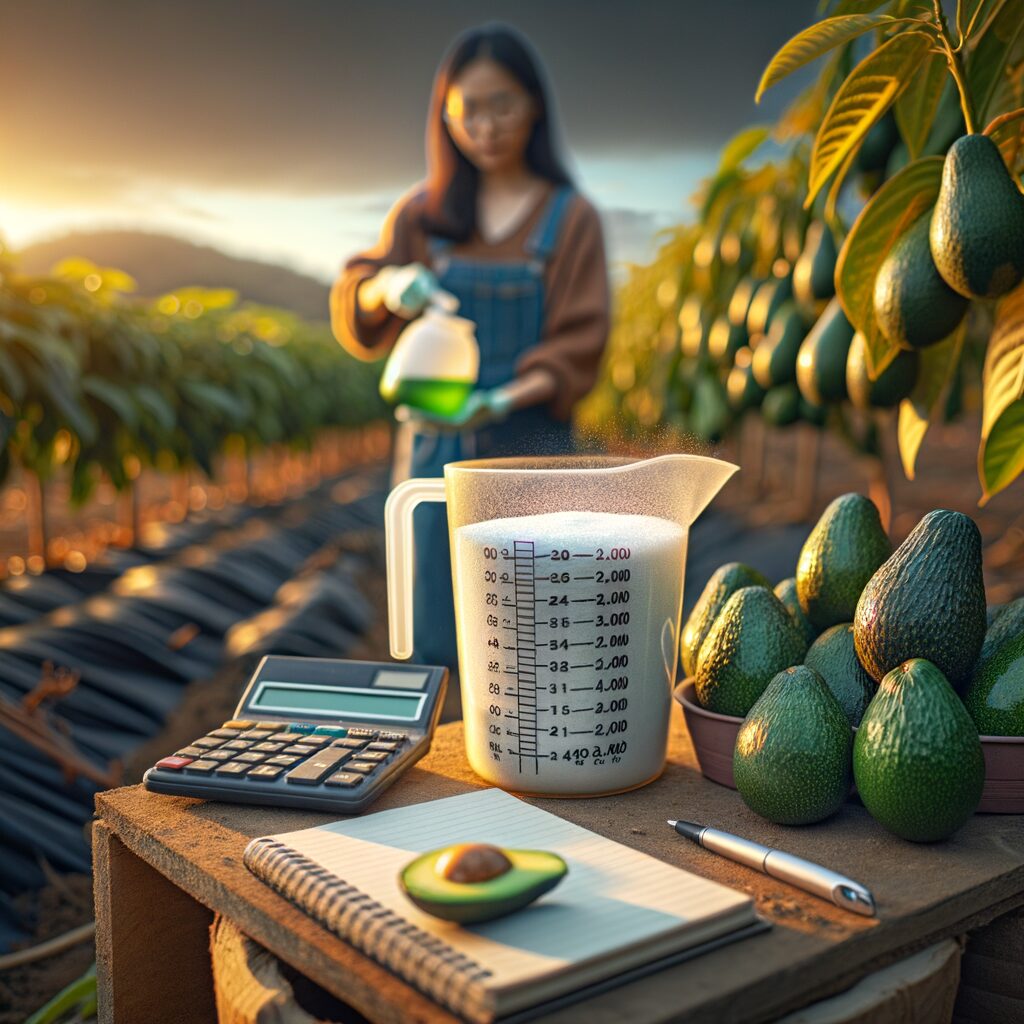
Nitrogen is an essential nutrient for avocado, as it plays a key role in protein formation and vegetative growth. Proper plant nutrition not only promotes vigorous growth but also improves fruit quality, increasing its market value.
Benefits of nitrogen in avocado
- Improves vegetative growth: Increases leaf and branch production, which is crucial for photosynthesis and energy production in the plant.
- Increases fruit production: Ensures a higher number of avocados per tree; studies have shown that proper fertilization can increase production by 20-30% compared to unfertilized crops.
- Fruit quality: Improves the size and nutrient content of avocados, resulting in better taste and higher content of healthy fats, such as oleic acid.
Biochemical mechanisms of nitrogen in avocado
Nitrogen is an essential component of amino acids, which are the building blocks of proteins. In avocado, nitrogen is incorporated into the plant cycle through nitrification, where ammoniacal nitrogen is converted into nitrified forms that the roots can absorb. This process is facilitated by soil bacteria and is more efficient in well-aerated soils with good organic matter. The presence of nitrogen also influences chlorophyll synthesis, which in turn enhances photosynthesis and energy production in the plant.
Interaction with other nutrients
Nitrogen does not act in isolation in avocado nutrition. Its interaction with other nutrients, such as phosphorus and potassium, is crucial for the proper development of the tree. For example, a balance between nitrogen and phosphorus is essential for healthy root formation. Phosphorus deficiency can limit nitrogen effectiveness, resulting in poor growth. Studies have shown that the combined application of nitrogen and phosphorus can increase fruit production by 15-20% compared to nitrogen application alone.
Recommended doses
The dose of nitrogen fertilization should be adjusted to the type of soil, the age of the plants, and the development stage. Generally, an application of between 150 to 300 kg of nitrogen per hectare per year is recommended, divided into several applications to maximize absorption and minimize loss through leaching. According to studies conducted on various avocado crops, it has been observed that the use of organic fertilizers and advanced agricultural solutions can significantly improve nitrogen use efficiency.
Dose fractionation
For effective application, it is suggested to divide the total dose into three parts:
- First application: At the beginning of spring, to stimulate vegetative growth. This is a critical period, as the avocado begins its growth cycle and the demand for nitrogen is high.
- Second application: During flowering, to favor fruit set. It is recommended to make this application just before flowering, as nitrogen is vital for flower formation and subsequent fruit development.
- Third application: In mid-summer, to support fruit development. At this stage, the avocado needs nitrogen for the growth and swelling of the fruits, which can result in increased size and quality of the harvested avocado.
Practical example of dose application
In agricultural practices in the Michoacán region of Mexico, a fertilization program has been implemented that applies 200 kg/ha of nitrogen, divided into three applications: 80 kg/ha in March, 60 kg/ha in May, and 60 kg/ha in July. This approach has resulted in a 25% increase in avocado production compared to plots that did not receive nitrogen fertilization, demonstrating the effectiveness of fractionation in optimizing production.
Factors affecting nitrogen absorption
It is important to consider several factors that can influence nitrogen absorption by avocado plants:
- Soil type: Sandy soils tend to have higher nitrogen leaching, so it is crucial to adjust the dose and method of application.
- Soil pH: An appropriate pH (between 6 and 7) favors the availability of nitrogen in forms that plants can easily absorb. The use of amendments like gypsum can help correct pH problems in acidic soils.
- Climatic conditions: During periods of heavy rain, nitrogen can be washed away from the soil, reducing its availability to plants. Implementing water conservation techniques can mitigate this problem.
- Microorganism competition: The presence of microorganisms in the soil can affect nitrogen availability. For example, mycorrhizal fungi can help the plant absorb more nitrogen, while other microorganisms may compete for it.
- Soil management practices: Tillage and incorporation of organic matter can improve the soil’s nutrient retention capacity, optimizing nitrogen availability.
Timing of application
The timing of nitrogen fertilization application is equally critical. Applications should be made at strategic times to maximize nitrogen availability and its absorption by the avocado roots. Synchronizing applications with the tree’s development stages is essential to optimize fertilizer efficiency.
Application recommendations
The best times for application are:
- In spring, just before active growth begins. Applying nitrogen during this period helps the plant develop a robust root system and dense foliage, which are essential for photosynthesis.
- During flowering, to ensure good fruit set. Applying nitrogen at this time can improve pollination and set rates, resulting in an increase in the number of fruits produced.
- In summer, while the fruits are developing. It is advisable to apply nitrogen at this stage to ensure optimal fruit growth, which can result in larger size and quality of the harvest.
Impact of late nitrogen application
Late nitrogen applications can have negative effects on fruit quality. Studies have shown that nitrogen fertilization applied in the last quarter of the year can result in an increase in the production of low-quality fruits, as the plant prioritizes vegetative growth over the accumulation of sugars and fats in the fruits. This translates to smaller and less marketable avocados.
Example of application monitoring
A study conducted in avocado fields in California demonstrated that monitoring tree phenology and foliar tissue analysis are effective tools for adjusting nitrogen applications. By conducting analyses every two months, farmers were able to identify deficiencies and adjust nitrogen applications in real-time, resulting in a 15% increase in harvest quality compared to standard fertilization practices.
Use of technology in nitrogen application
The implementation of advanced technologies, such as nitrogen sensors and drip irrigation systems, allows for more precise nitrogen application. These devices can measure nitrogen concentration in the soil and provide real-time data, helping farmers make informed decisions about when and how much fertilizer to apply. According to a study in Australia, the use of soil sensors has allowed for a 20% reduction in nitrogen use while maintaining or even increasing avocado production.
Related Articles
Need professional help?
At Ecoganic in Spain, Europe, we offer advanced agricultural solutions, natural origin products, and bioprotectors. Call us: +34 652 530 492.
Conclusions
Proper nitrogen fertilization in avocado is essential to maximize production and quality of the crop. By following the recommended doses and application timings, farmers can optimize their yield and ensure a healthy and profitable harvest. Additionally, implementing sustainable practices, such as using natural origin products and organic fertilizers, can improve nitrogen use efficiency and contribute to crop sustainability. For more information on plant nutrition solutions, feel free to contact us.
Sustainable practices in nitrogen fertilization
Sustainable agriculture focuses on using practices that minimize environmental impact while maximizing yields. In this context, the use of biostimulants, which are substances that stimulate biological processes in plants, has become increasingly popular. These products can enhance nitrogen and other nutrient absorption, as well as increase resistance to adverse conditions, such as droughts or diseases.
Examples of biostimulants in avocado
A study conducted in avocado orchards in Spain showed that the application of a biostimulant based on seaweed extracts significantly improved nitrogen assimilation and plant growth. Treated trees showed a 30% increase in fruit production and an improvement in quality, with higher content of healthy fats. These results highlight the importance of integrating biostimulants into nitrogen fertilization practices.
Final conclusions
In conclusion, nitrogen fertilization is a critical process for avocado cultivation that requires attention to doses, timing of application, and the use of sustainable practices. By following these recommendations and adopting a holistic approach that includes biostimulants, farmers can not only improve their production but also contribute to the sustainability of their agricultural systems. Implementing these strategies can result in healthier, more profitable, and environmentally friendly avocados.
Future research in nitrogen fertilization
The future of nitrogen fertilization in avocado is moving towards researching more sustainable nitrogen sources, such as controlled-release fertilizers and organic fertilizers derived from agricultural waste. A recent study suggests that controlled-release fertilizers can reduce ammonia volatilization and improve nitrogen use efficiency in avocado. Additionally, biotechnology is also exploring microorganisms that can fix atmospheric nitrogen, which could decrease reliance on synthetic fertilizers.
Environmental impact of nitrogen fertilization
It is essential to consider the environmental impact of nitrogen fertilization. Nitrate leaching into water bodies can cause eutrophication, affecting water quality and aquatic biodiversity. Therefore, it is crucial to implement management practices that minimize these losses, such as applying nitrogen at optimal times and using precision agriculture technologies. Education and training of farmers on these practices are equally important to promote more sustainable agriculture.
Soil health assessment
Soil health is a critical factor in nitrogen fertilization. Healthy soil has a greater capacity to retain nutrients and water, improving nitrogen use efficiency. Conducting periodic soil analyses can help farmers better understand nutrient availability and adjust their fertilization practices accordingly. Incorporating organic matter, such as compost or manure, can also significantly improve soil health and its ability to retain nitrogen.
Development of integrated management techniques
Integrated nutrient management (INM) is an approach that combines chemical fertilization with organic and biological practices. This approach allows for more efficient resource use and reduces the risk of contamination. In avocado cultivation, implementing INM can include crop rotation, the application of green manures, and the use of beneficial microorganisms that enhance nitrogen availability. A study in Peru showed that farmers who implemented INM techniques reported a 35% increase in avocado production, along with an improvement in soil health.
Monitoring and adjusting nitrogen fertilization
Constant monitoring of nitrogen fertilization is crucial to ensure the effectiveness of applications. This includes conducting soil and foliar tissue analyses to assess nitrogen and other nutrient availability. Farmers can use tools such as satellite image analysis to identify areas of the field that may require additional nitrogen applications. Through this technology, a 10-15% increase in avocado production has been documented in farms where more precise fertilization management was applied.
Education and training of farmers
Education and training of farmers are essential for the effective implementation of nitrogen fertilization practices. Training programs that teach about the importance of nitrogen, proper application techniques, and the use of biostimulants can help farmers maximize their production and minimize environmental impact. Studies have shown that farmers who participated in training programs increased their knowledge about fertilization by 50%, which translated into a significant improvement in their agricultural practices.
Conclusions on nitrogen fertilization in avocado
Nitrogen fertilization is a critical component in avocado cultivation, and its proper management can have a significant impact on fruit production and quality. By adopting sustainable practices, such as using biostimulants, implementing integrated management techniques, and continuous education, farmers can optimize nitrogen use and contribute to a more sustainable agricultural system. Ongoing research and the adoption of new technologies will also play a fundamental role in the future of nitrogen fertilization in avocado.
New trends in nitrogen fertilization
With the advancement of precision agriculture, new trends in nitrogen fertilization for avocado cultivation are being developed. One of these trends is the use of drones for fertilizer application, which allows for a more uniform and controlled distribution of nitrogen. These drones can be equipped with sensors that measure plant health and adjust applications based on the specific needs of each area of the crop. A recent study showed that using drones for fertilization in avocado can increase efficiency by 30%, reducing costs and improving fruit quality.
Integration of agroecological practices
The integration of agroecological practices in nitrogen fertilization is also gaining popularity. This includes the use of cover crops that fix nitrogen in the soil, reducing the need for chemical fertilizers. For example, planting legumes such as clover or alfalfa can enrich the soil with nitrogen, benefiting the avocado planted in the same field. Implementing these practices has been shown to increase soil biodiversity and improve the overall health of the agricultural ecosystem.
Development of resistant cultivars
Research is also focusing on developing avocado cultivars that are more efficient in nitrogen use. These cultivars could have a better ability to absorb and utilize the nitrogen available in the soil, reducing the need for excessive applications. Studies in plant genetics have shown that some avocado varieties can have 15-20% more efficiency in nitrogen absorption compared to others. Selecting these cultivars could be a key strategy for sustainable agriculture.
Conclusions on the future of nitrogen fertilization
The future of nitrogen fertilization in avocado looks promising, with numerous innovations and sustainable practices that can be adopted. As farmers face challenges such as climate change and resource scarcity, adopting advanced technologies and agroecological practices will be essential to maintain productivity and sustainability of the crop. Ongoing research in this field will ensure that farmers have the necessary tools to optimize nitrogen fertilization and effectively face future challenges.
Related Articles
- Ecoganic
- Nitrogen Fertilization in Grapes: Doses and Application
Frequently Asked Questions
What type of nitrogen fertilizer is best for avocado?
Controlled-release fertilizers or liquid solutions that allow for better absorption are recommended.
Is it necessary to do soil analysis before fertilizing?
Yes, conducting a soil analysis helps determine specific nitrogen needs.
Can I apply nitrogen to avocados at any time of the year?
No, it is important to apply nitrogen at specific times in the growth cycle for it to be effective.
What happens if I apply too much nitrogen?
Excess nitrogen can lead to excessive vegetative growth at the expense of fruit production.