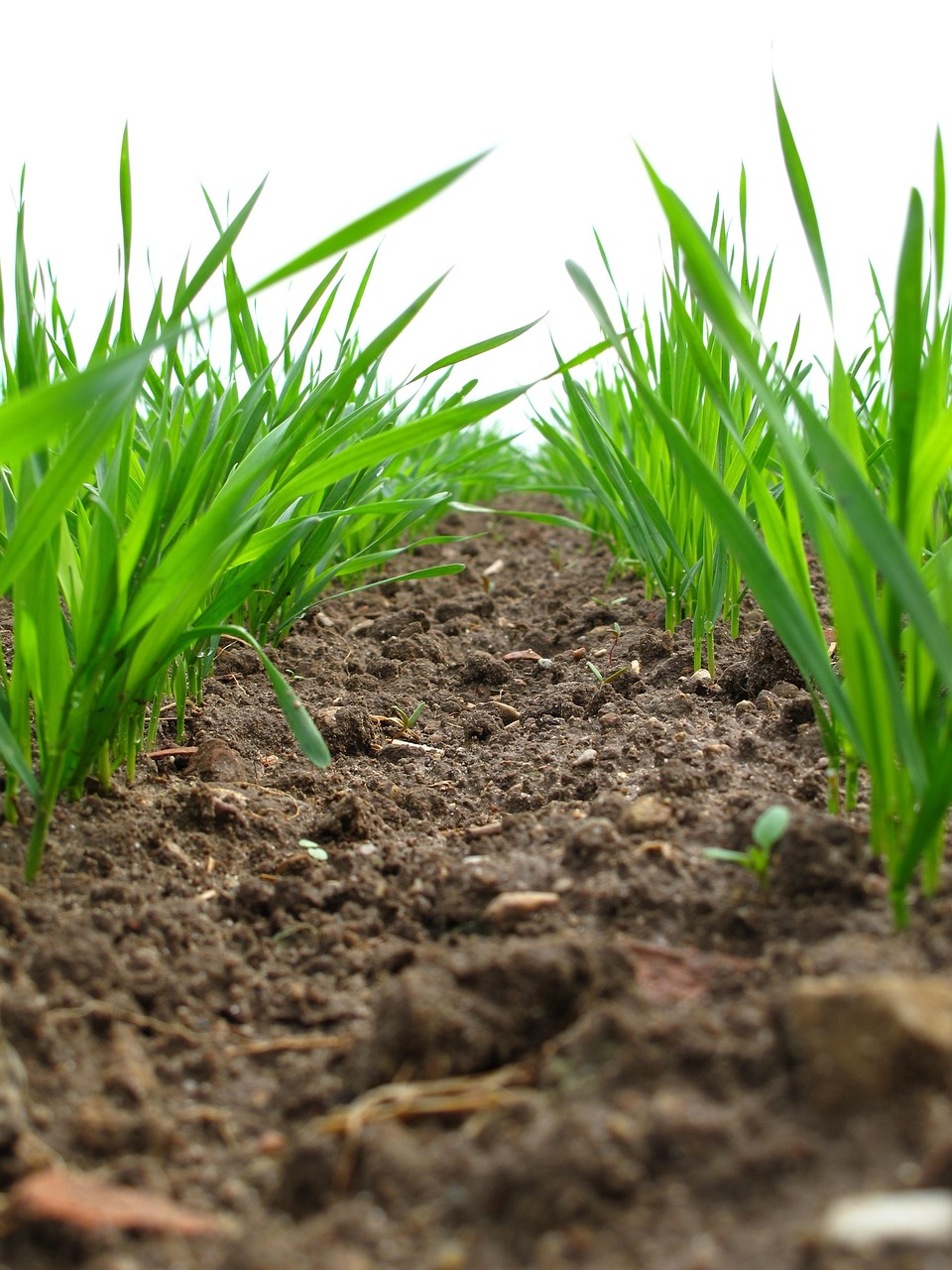
Discover how slow-release nitrogen in agriculture can improve the sustainability and efficiency of your crops. Get informed and contact us!
Introduction
Slow-release nitrogen (SRN) has become a crucial tool in modern agriculture, especially in the context of sustainability. By applying nitrogen in forms that are released gradually, farmers can optimize fertilization, improve soil health, and increase nutrient use efficiency. In this article, we will explore the advantages and applications of slow-release nitrogen in agriculture, focusing on how this practice can contribute to healthier and more productive crops in Spain and Europe.
Advantages of slow-release nitrogen

1. Reduction of leaching
One of the main advantages of slow-release nitrogen is its ability to minimize leaching. Unlike conventional fertilizers, which release nitrogen quickly, SRN is released in a controlled manner, reducing the risk of nitrogen loss to groundwater. This not only protects water resources but also ensures that plants have access to nitrogen when they need it.
Studies have shown that the use of SRN can reduce nitrogen leaching by 50-70% compared to fast-release fertilizers. This is especially critical in regions with high rainfall or sandy soils, where leaching is more pronounced. For example, in a study conducted in northern Spain, it was observed that the application of SRN in a corn field significantly reduced nitrate concentrations in groundwater, contributing to the preservation of local water resources.
1.1 Biochemical mechanisms behind slow release
SRN is often formulated with coatings that control the release of nitrogen, such as polymers or biodegradable materials that decompose slowly. These coatings allow nitrogen to be released based on factors such as soil temperature and moisture. For example, at higher temperatures, the release rate increases, coinciding with the active growth of plants. This mechanism is based on diffusion kinetics, where nitrogen is released through the permeability of the coating, optimizing its availability to plant roots at critical times.
2. Improved nutrient use efficiency
The use of slow-release nitrogen allows farmers to improve nutrient use efficiency. According to studies, the application of SRN can increase nitrogen absorption by plants by 30-50%, resulting in better crop yields and a reduced need for additional fertilizer applications.
The controlled release of nitrogen not only optimizes its availability but also translates into more efficient water use, as plants can access nitrogen when they need it during critical growth phases. In an experiment with wheat crops in Castilla-La Mancha, it was observed that farmers who used SRN achieved yield increases of up to 20% compared to those who applied conventional fertilizers, demonstrating the ability of SRN to maximize crop potential.
2.1 Efficiency comparison with conventional fertilizers
Compared to fast-release fertilizers, SRN not only offers prolonged release but is also designed to be absorbed more effectively by plants. For example, a case study conducted on rice crops in Andalusia showed that the use of SRN resulted in an absorption efficiency of 85%, compared to 60% for conventional fertilizers. This means that farmers can achieve higher yields with fewer inputs, thus reducing costs and the environmental impact associated with fertilizer production.
3. Benefits for soil health
SRN also contributes to soil health. By providing nitrogen in a sustained manner, it promotes a balance in soil microbiota, favoring biological activity and reducing compaction. This is essential for maintaining soil structure and fostering a conducive environment for root growth.
The application of SRN can increase microbial diversity in the soil, which in turn improves the decomposition of organic matter and the availability of other nutrients. A study conducted in vegetable gardens showed that the use of SRN not only increased the population of beneficial bacteria in the soil but also improved the soil’s water retention capacity by 15%, which is crucial for crop resilience in drought conditions.
3.1 Interaction with soil microbiota
The interaction of SRN with soil microbiota is a key factor in improving soil health. The slowly released nutrients promote the growth of beneficial microorganisms, such as nitrogen-fixing bacteria and mycorrhizal fungi, which establish symbiosis with plant roots. This symbiosis not only enhances nitrogen absorption but also increases the availability of phosphorus and other essential micronutrients. Studies have shown that the application of SRN can increase the activity of soil enzymes responsible for nutrient mineralization, resulting in a more fertile and productive soil.
4. Lower environmental impact
By reducing leaching and improving nutrient use efficiency, slow-release nitrogen has a lower environmental impact. This is especially relevant in the context of sustainable agriculture, where the aim is to minimize the ecological footprint and promote responsible farming practices.
The reduction of nitrate runoff into water bodies also contributes to the mitigation of eutrophication, an environmental problem affecting many aquatic ecosystems. In an analysis of the Ebro River basin, it was found that the adoption of SRN by local farmers resulted in a 30% decrease in nitrate levels in the water, which had positive effects on water quality and aquatic biodiversity in the region.
4.1 Environmental impact assessment
The environmental impact assessment of SRN use can be conducted by monitoring nitrate levels in groundwater and surface waters. Research projects in the Valencia region have demonstrated that the implementation of SRN in citrus crops has significantly reduced the nitrate load in rivers flowing into the Mediterranean Sea. This approach not only protects aquatic ecosystems but also enhances the sustainability of agriculture in the region, allowing farmers to comply with stricter environmental regulations.
Applications in crops
Slow-release nitrogen can be applied to a variety of crops, including cereals, vegetables, and ornamental plants. Among the most notable applications are:
1. Cereal crops
In crops such as wheat and corn, the use of SRN allows for more balanced and sustained nutrition, improving yield and quality of the harvest. For more information on fertilization in wheat crops, you can consult our article on Nitrogen Fertilization in Wheat: Dosage and Key Timing.
The application of SRN in corn crops in the Andalusia region has proven particularly effective, with increases of up to 25% in grain production. Farmers applied SRN at the time of planting and observed that the gradual release of nitrogen coincided with the critical growth stages of corn, resulting in more robust and disease-resistant plants.
1.1 Practical example in corn crops
A case study on a farm in the province of Córdoba showed that by applying SRN at the time of planting at a rate of 150 kg/ha, farmers achieved an average yield of 12 tons of corn per hectare, compared to 9 tons obtained with fast-release fertilizers. Additionally, post-harvest soil analyses indicated a significant increase in organic matter and soil health, evidenced by greater microbial activity.
2. Vegetables
The application of slow-release nitrogen in vegetables, such as tomatoes and peppers, can result in more robust growth and better disease resistance. To learn more about fertilization in these crops, visit our articles on Nitrogen Fertilization in Tomatoes and Nitrogen Fertilization in Peppers.
In a trial conducted on tomato crops in the Murcia region, SRN was applied throughout the crop cycle, resulting in larger and higher quality tomatoes, as well as a significant increase in soluble solids content, which is a key indicator of the final product’s quality. Additionally, resistance to fungal diseases increased, reducing the need for phytosanitary treatments.
2.1 Practical example in vegetable crops
An experiment in a vegetable greenhouse in Almería showed that the application of SRN in tomatoes at a rate of 100 kg/ha, divided into two applications, resulted in a 30% increase in yield compared to a conventional treatment. The produced tomatoes also showed a 40% reduction in disease incidence, demonstrating the effectiveness of SRN in improving the overall health of the plants.
3. Ornamental plants
SRN is also used in the production of ornamental plants, where a constant supply of nutrients is required to maintain aesthetic quality and crop health.
In ornamental plant nurseries in Catalonia, the use of SRN has allowed producers to maintain uniform and vigorous growth of species such as geraniums and petunias. In these cases, the application of SRN was done at transplanting, and it was observed that the plants showed better rooting and growth compared to those fertilized with conventional nitrogen.
3.1 Practical example in ornamental production
In a study conducted in a geranium nursery in Girona, SRN was applied at a rate of 200 kg/ha at the time of transplanting. The results showed that the plants treated with SRN had a 50% faster growth rate and more abundant flowering compared to plants that received conventional nitrogen. Additionally, the aesthetic quality of the flowers was notably superior, allowing producers to obtain better prices in the market.
Related Articles
- Nitrogen Fertilization in Vine: Dosage and Application
- Nitrogen Fertilization in Corn: Dosage and Application
- Nitrogen Fertilization in Peppers: Dosage and Application
Need professional help?
At Ecoganic in Spain, Europe, we offer Biostimulants, Organic Fertilizers, Bioprotectors. Call us: +34 652 530 492.
Recommended practices
To maximize the benefits of slow-release nitrogen, it is essential to follow some recommended practices:
- Soil assessment: Conduct soil analyses to determine the specific nutritional needs of your crops.
- Proper application: Follow dosage recommendations to ensure effective nitrogen release.
- Crop monitoring: Observe the growth and development of plants to adjust fertilization as needed.
Soil assessment
Soil assessment is a critical step before applying SRN. A detailed soil analysis not only provides information about nitrogen content but also about other essential nutrients and soil pH. This allows farmers to adjust SRN applications to optimize yields. For example, in a soil analysis conducted on sunflower farms in Valencia, it was determined that SRN application could be reduced by 20% in soils with high organic matter, resulting in significant savings in fertilization costs.
3.1 Soil analysis techniques
Modern soil analysis techniques, such as near-infrared reflectance spectroscopy (NIRS), are revolutionizing how farmers assess soil health. These techniques allow for rapid and accurate analysis of available nutrients in the soil, facilitating informed decisions about SRN application. For example, in a study in the Extremadura region, NIRS was used to assess nitrogen availability in agricultural soils, allowing farmers to adjust their SRN applications and improve yields by 15% compared to traditional methods.
Proper application
The application of SRN should be based on specific recommendations for each crop and soil conditions. It is essential to follow the dosages recommended by manufacturers, which are typically expressed in grams per square meter. Additionally, the timing of the application is crucial: applying SRN at the right time can maximize its effectiveness. In onion crops in the La Rioja region, it was observed that applying SRN at the time of planting resulted in a 15% increase in yield compared to late applications.
3.2 Application strategies
SRN application strategies may include incorporation into the soil or surface application, depending on the crop and soil conditions. In vegetable crops, for example, soil incorporation can increase nitrogen availability by reducing volatilization. A study in lettuce greenhouses in Murcia demonstrated that incorporating SRN into the soil increased nitrogen absorption by 40% compared to surface application, resulting in more uniform and healthy plant growth.
Crop monitoring
Regular monitoring of crops is essential to evaluate the effectiveness of fertilization with SRN. This may include observing signs of nitrogen deficiency, such as reduced growth or yellowing of leaves. Additionally, the use of technologies such as remote sensing can help farmers identify areas of the field that may need adjustments in fertilization. In a case study on a rice crop in the Ebro Delta, a monitoring system was implemented that allowed for real-time adjustments to SRN application, resulting in an 18% increase in crop productivity.
3.3 Advanced monitoring tools
Advanced monitoring tools, including soil moisture sensors and drones equipped with multispectral cameras, are enabling farmers to obtain precise data on their crops’ nitrogen needs. For example, in a cotton farming operation in Seville, drones were used to map variability in plant health, allowing farmers to apply SRN more accurately and efficiently. As a result, a 25% increase in yield was achieved while reducing fertilization costs by 30%.
4. Integration with other sustainable agricultural practices
The use of slow-release nitrogen can be even more effective when integrated with other sustainable agricultural practices. For example, crop rotation and conservation agriculture can be complemented with the use of SRN to maximize soil health and yields.
4.1 Crop rotation
Crop rotation is an agricultural practice that involves alternating different crop species on the same land over the seasons. This technique can help reduce pest and disease pressure, and when combined with SRN application, it can improve nitrogen use efficiency. In a study conducted in the Aragón region, it was observed that rotating legumes with cereals and using SRN increased nitrogen fixation in the soil, resulting in an additional 20% savings in nitrogen fertilizer.
4.2 Conservation agriculture
Conservation agriculture, which promotes reduced tillage and maintenance of soil cover, can benefit SRN application. Reduced tillage improves soil structure and moisture retention, allowing for better nitrogen release and absorption. In a project in the province of Toledo, farmers who implemented conservation agriculture practices along with SRN reported increases in soil organic matter of up to 25%, improving fertility and soil ecosystem health.
Frequently Asked Questions
What is slow-release nitrogen?
Slow-release nitrogen is a type of fertilizer that releases nutrients gradually, providing a constant supply of nitrogen to plants and reducing the risk of leaching.
What are the benefits of using slow-release nitrogen?
Benefits include reduced leaching, improved nutrient use efficiency, benefits for soil health, and lower environmental impact.
In which crops can slow-release nitrogen be applied?
SRN can be applied to a variety of crops, including cereals, vegetables, and ornamental plants.
How should slow-release nitrogen be applied?
Application should be based on a soil assessment and follow dosage recommendations to ensure the effectiveness of the fertilizer.