
Introduction
The use of biostimulants in tropical crops has proven to be an effective practice for optimizing productivity and plant health. However, knowing the best time to apply biostimulants is crucial to maximize their benefits. In this article, we will address the factors that affect the timing of application and provide practical recommendations for farmers and agronomists.
Importance of application at the right time
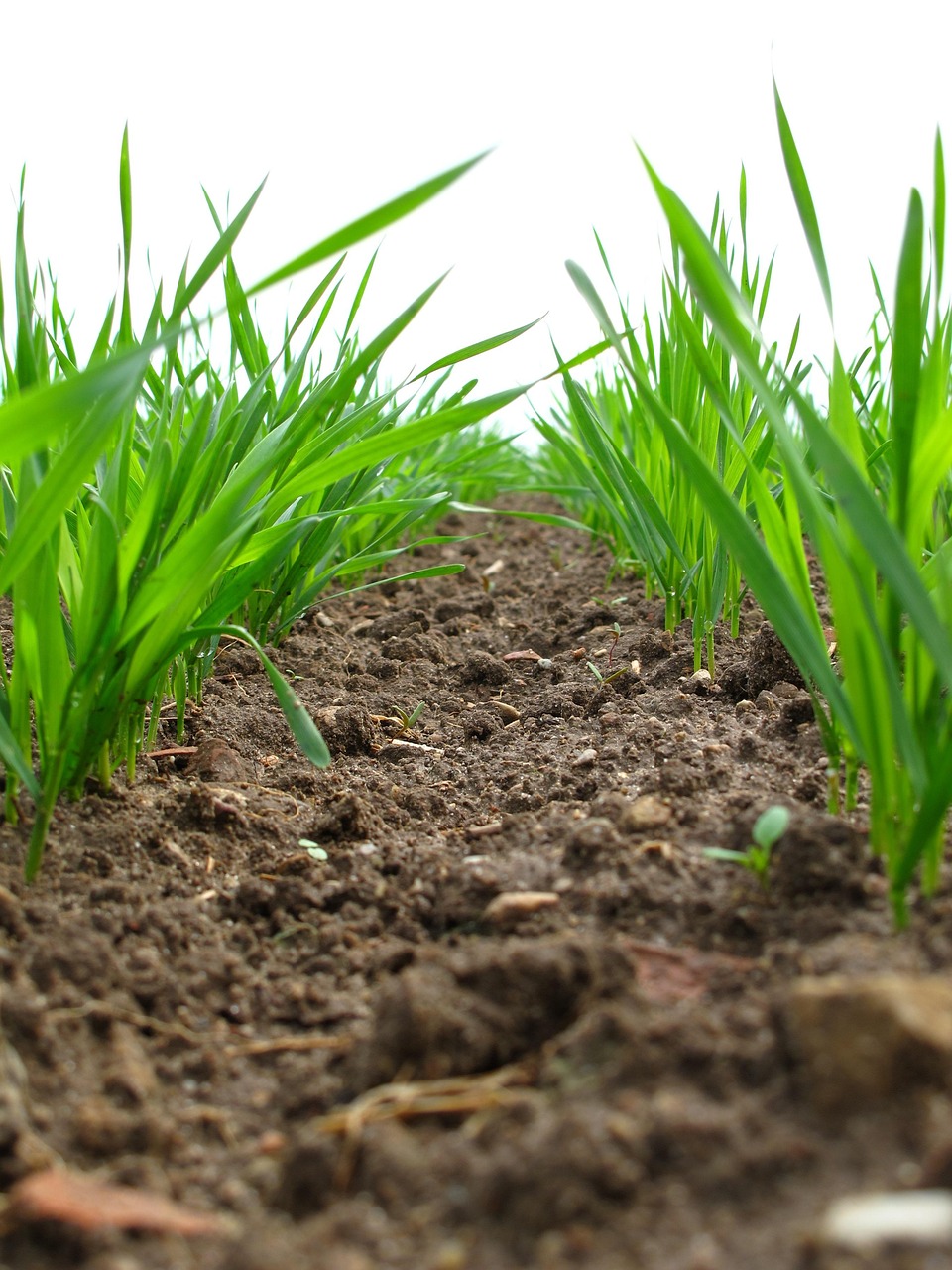
The application of biostimulants at the right time can significantly influence plant development, stress resistance, and crop quality. According to studies by the FAO, the timing of application of these products can improve nutrient use efficiency and increase crop yields. For example, a study conducted on rice crops in Asia showed that applying biostimulants during the vegetative development phase resulted in a 20% increase in yield by optimizing nitrogen absorption and other essential nutrients.
Benefits of timely application
- Improves nutrient absorption: Applying biostimulants at critical moments favors nutrient assimilation by plants. A study from the University of Córdoba demonstrated that applying seaweed extracts during the active growth phase increased phosphorus absorption by 35%.
- Increases stress resistance: Application during key phases of plant development can enhance their tolerance to adverse conditions. Research indicates that applying amino acid-based biostimulants under drought conditions can increase biomass by 15% in corn crops.
- Optimizes product quality: Proper timing of application translates into improved crop quality. In tomato crops, it was observed that applying a biostimulant during the flowering phase resulted in fruits with 25% more soluble solids, enhancing their flavor and commercial value.
Factors influencing the timing of application
Several factors must be considered when determining the optimal time to apply biostimulants in tropical crops:
Plant growth phases
It is essential to identify critical growth stages, such as germination, vegetative development, and flowering. Application during these phases can maximize the effectiveness of biostimulants. For example, applying biostimulants during the flowering stage can improve pollination and fruit set, resulting in a significant increase in final yield. Research has shown that applying seaweed extract-based biostimulants during flowering can increase the fruit set rate in avocado crops by 30%.
Climatic conditions
Environmental conditions, such as temperature, humidity, and precipitation, affect the activity of biostimulants. It is recommended to apply under adequate humidity conditions to improve absorption and product effectiveness. A study conducted in Brazil showed that the application of biostimulants under high relative humidity increased effectiveness by 40% compared to applications under dry conditions. Additionally, extreme temperatures can influence the biological activity of biostimulants; therefore, it is crucial to consider local climate when planning application.
Type of crop
Each crop has specific needs that can influence the timing of application. For example, crops like avocado can benefit from applications during flowering, while other crops may require attention at different stages. In the case of citrus, applying biostimulants during the early growth of fruits can improve the quality and size of production. A trial in orange orchards showed that using biostimulants during the fruit growth phase resulted in a 15% increase in citrus size and improved disease resistance.
Recommendations for the application of biostimulants
To ensure optimal results in the application of biostimulants in tropical crops, consider the following recommendations:
1. Conduct a prior soil analysis
Before application, it is important to conduct a soil analysis to determine nutritional needs and specific conditions that may influence the effectiveness of biostimulants. A soil analysis should include the evaluation of pH, organic matter content, nutrient levels, and the presence of pathogens. This will allow farmers to tailor the application of biostimulants to the specific conditions of the soil, thus optimizing their performance. For example, in acidic soils, it may be beneficial to apply biostimulants containing microorganisms that enhance nutrient availability under low pH conditions.
2. Select the appropriate biostimulant
Depending on the crop’s needs and soil conditions, choose the biostimulant that best suits your requirements. Ecoganic offers a variety of biostimulants specifically designed for different types of crops and conditions. For example, in vegetable crops, a humate-based biostimulant can improve soil quality and stimulate root growth, while in cereal crops, seaweed extracts may be more effective in increasing drought resistance.
3. Monitor the crop’s status
It is essential to observe plant development after application to adjust future interventions and maximize yield. Monitoring can include visual assessment of the plant, growth analysis, and measurements of physiological parameters such as photosynthesis rate and stomatal conductance. Implementing a tracking system can help farmers quickly identify the effects of biostimulants and make necessary adjustments in real-time. For example, if accelerated growth is observed after application, it may be useful to evaluate the possibility of making additional applications at key moments to maximize final yield.
Conclusions
Knowing the best time to apply biostimulants in tropical crops is essential for optimizing agricultural production. Proper timing, based on plant growth phases, climatic conditions, and crop type, can make a difference in results. Implementing a data-driven approach and continuous monitoring will allow farmers to adapt their strategies and maximize the benefits of biostimulants. For more information about our products and services, please feel free to contact us.
Analysis of the application of biostimulants in different tropical crops
The application of biostimulants is not a uniform strategy; it varies considerably among different tropical crops. Understanding how and when to apply these products can be the key to optimizing production and improving plant health. Below are specific examples of tropical crops and best practices for the application of biostimulants.
Application in coffee crops
Coffee is a tropical crop that greatly benefits from the application of biostimulants. In particular, the application of seaweed extracts during the flowering phase has been shown to increase grain production. A study conducted in Colombia showed that applying a seaweed extract-based biostimulant during the flowering phase increased production by 18%. This improvement is attributed to greater nutrient availability and a boost in photosynthetic activity during this critical period. Additionally, it has been observed that applying biostimulants during the fruit formation period can increase the concentration of bioactive compounds in the grains, improving coffee quality.
Biostimulants in banana crops
Banana crops, which are highly susceptible to diseases like black sigatoka, can benefit from biostimulants that stimulate the plants’ natural defenses. The application of a microorganism-based biostimulant can increase the production of phytoalexins, compounds that help plants resist pathogens. Research has shown that applying these biostimulants during the vegetative development phase can result in a 25% increase in banana production, in addition to improving fruit quality. A study on banana farms in Ecuador showed that applying plant extract-based biostimulants improved not only production but also disease resistance, reducing the incidence of sigatoka by 30%.
Improvements in cassava crops
Cassava is another tropical crop that has benefited from the application of biostimulants. In a study conducted in Brazil, it was found that applying amino acid-based biostimulants during the active growth stage improved yield by 30%. This improvement is due to optimized nutrient absorption and enhanced root system. Applying these products at critical moments, such as just before tuber formation, is vital to maximize yield. Additionally, it has been shown that using biostimulants can reduce the toxicity of cyanide present in cassava, thus improving tuber quality.
Impact on cocoa crops
Cocoa, essential for chocolate production, can also benefit from the application of biostimulants. In particular, application during the flowering and fruit development phase is crucial. Studies have shown that using biostimulants during this phase can increase the number of fruits by 20% and improve grain quality. This is because biostimulants help improve pollination and fruit set, as well as increase resistance to common cocoa diseases. An analysis on cocoa farms in Ghana showed that implementing microorganism-based biostimulants improved cocoa bean production by 15% and reduced the incidence of fungal diseases.
Implementation of biostimulants in sustainable agriculture systems
Sustainable agriculture seeks to minimize environmental impact and maximize resource efficiency. The implementation of biostimulants can be a key strategy in this context. Below are some considerations on how to integrate biostimulants into sustainable agricultural practices.
Use of biostimulants in crop rotation
Crop rotation is an agricultural practice that can greatly benefit from the application of biostimulants. For example, applying biostimulants to cover crops in the rotation can improve soil health and increase microbial biodiversity. This not only improves soil quality but also helps prepare the ground for subsequent crops, optimizing their yield. A study on corn and soybean farms demonstrated that applying biostimulants to cover crops increased corn productivity by 15% in the following cycle. Additionally, it has been observed that biostimulants can help reduce soil erosion and improve its structure, which is vital for long-term sustainability.
Improvements in soil health
The application of biostimulants can contribute to improving soil health by fostering microbial activity. Biostimulants help increase nutrient availability and water retention capacity, which is crucial in sustainable agriculture systems. A study conducted in tropical soils showed that applying humate-based biostimulants improved microbial activity by 40%, which in turn increased nutrient availability for plants. Additionally, using biostimulants can help decompose organic matter more quickly, naturally increasing soil fertility.
Synergies with agricultural management practices
The integration of biostimulants with other agricultural management practices, such as the use of organic fertilizers and biological pest control, can enhance their effects. For example, combining biostimulants with compost can increase the effectiveness of both, improving soil health and crop resistance. A study demonstrated that combining biostimulants with organic compost increased tomato crop yield by 20% compared to using compost alone. Additionally, it has been shown that using biostimulants can improve the effectiveness of beneficial insects, favoring more efficient pest control.
Considerations on the use of application technologies
The technology for applying biostimulants can also influence their effectiveness. Methods such as foliar application, fertigation, or incorporation into the soil have different levels of effectiveness depending on the type of biostimulant and the crop. For example, fertigation allows biostimulants to reach the roots directly, improving absorption and growth effects. A study in vegetable crops showed that foliar application of biostimulants increased biomass by 30% compared to soil application. Therefore, it is advisable to choose the application method that best suits the characteristics of the crop and the biostimulant used.
Evaluation of economic impact
Finally, it is important to evaluate the economic impact of applying biostimulants in tropical crops. A cost-benefit analysis can help farmers determine if the investment in biostimulants translates into a significant increase in yield and crop quality. For example, in a study conducted on avocado crops, it was found that applying biostimulants not only increased yield by 25% but also improved fruit quality, allowing for a higher selling price in the market. By considering all these factors, farmers can make informed decisions about the use of biostimulants in their agricultural practices.
Final conclusions
The correct application of biostimulants in tropical crops is essential to maximize their effectiveness and contribute to agricultural sustainability. Understanding growth phases, climatic conditions, and the specific characteristics of each crop can make a difference in results. Additionally, integrating biostimulants into sustainable agricultural practices not only benefits production but also helps preserve the environment. With a data-driven approach and continuous monitoring, farmers will be able to adapt their strategies and maximize the benefits of biostimulants in their crops. For more information about our products and services, please feel free to contact us.
Analysis of the application of biostimulants in different tropical crops
The application of biostimulants is not a uniform strategy; it varies considerably among different tropical crops. Understanding how and when to apply these products can be the key to optimizing production and improving plant health. Below are specific examples of tropical crops and best practices for the application of biostimulants.
Application in coffee crops
Coffee is a tropical crop that greatly benefits from the application of biostimulants. In particular, the application of seaweed extracts during the flowering phase has been shown to increase grain production. A study conducted in Colombia showed that applying a seaweed extract-based biostimulant during the flowering phase increased production by 18%. This improvement is attributed to greater nutrient availability and a boost in photosynthetic activity during this critical period. Additionally, it has been observed that applying biostimulants during the fruit formation period can increase the concentration of bioactive compounds in the grains, improving coffee quality.
Biostimulants in banana crops
Banana crops, which are highly susceptible to diseases like black sigatoka, can benefit from biostimulants that stimulate the plants’ natural defenses. The application of a microorganism-based biostimulant can increase the production of phytoalexins, compounds that help plants resist pathogens. Research has shown that applying these biostimulants during the vegetative development phase can result in a 25% increase in banana production, in addition to improving fruit quality. A study on banana farms in Ecuador showed that applying plant extract-based biostimulants improved not only production but also disease resistance, reducing the incidence of sigatoka by 30%.
Improvements in cassava crops
Cassava is another tropical crop that has benefited from the application of biostimulants. In a study conducted in Brazil, it was found that applying amino acid-based biostimulants during the active growth stage improved yield by 30%. This improvement is due to optimized nutrient absorption and enhanced root system. Applying these products at critical moments, such as just before tuber formation, is vital to maximize yield. Additionally, it has been shown that using biostimulants can reduce the toxicity of cyanide present in cassava, thus improving tuber quality.
Impact on cocoa crops
Cocoa, essential for chocolate production, can also benefit from the application of biostimulants. In particular, application during the flowering and fruit development phase is crucial. Studies have shown that using biostimulants during this phase can increase the number of fruits by 20% and improve grain quality. This is because biostimulants help improve pollination and fruit set, as well as increase resistance to common cocoa diseases. An analysis on cocoa farms in Ghana showed that implementing microorganism-based biostimulants improved cocoa bean production by 15% and reduced the incidence of fungal diseases.
Related Articles
- Common Mistakes in Biostimulants for Tropical Crops
- Biostimulants to Improve the Quality of European Crops
- Biostimulants for European Crops: Improve Your Harvest
Need professional help?
At Ecoganic, we offer Biostimulants, Organic Fertilizers, Bioprotectors.
Request your free quote
Implementation of biostimulants in sustainable agriculture systems
Sustainable agriculture seeks to minimize environmental impact and maximize resource efficiency. The implementation of biostimulants can be a key strategy in this context. Below are some considerations on how to integrate biostimulants into sustainable agricultural practices.
Use of biostimulants in crop rotation
Crop rotation is an agricultural practice that can greatly benefit from the application of biostimulants. For example, applying biostimulants to cover crops in the rotation can improve soil health and increase microbial biodiversity. This not only improves soil quality but also helps prepare the ground for subsequent crops, optimizing their yield. A study on corn and soybean farms demonstrated that applying biostimulants to cover crops increased corn productivity by 15% in the following cycle. Additionally, it has been observed that biostimulants can help reduce soil erosion and improve its structure, which is vital for long-term sustainability.
Improvements in soil health
The application of biostimulants can contribute to improving soil health by fostering microbial activity. Biostimulants help increase nutrient availability and water retention capacity, which is crucial in sustainable agriculture systems. A study conducted in tropical soils showed that applying humate-based biostimulants improved microbial activity by 40%, which in turn increased nutrient availability for plants. Additionally, using biostimulants can help decompose organic matter more quickly, naturally increasing soil fertility.
Synergies with agricultural management practices
The integration of biostimulants with other agricultural management practices, such as the use of organic fertilizers and biological pest control, can enhance their effects. For example, combining biostimulants with compost can increase the effectiveness of both, improving soil health and crop resistance. A study demonstrated that combining biostimulants with organic compost increased tomato crop yield by 20% compared to using compost alone. Additionally, it has been shown that using biostimulants can improve the effectiveness of beneficial insects, favoring more efficient pest control.
Considerations on the use of application technologies
The technology for applying biostimulants can also influence their effectiveness. Methods such as foliar application, fertigation, or incorporation into the soil have different levels of effectiveness depending on the type of biostimulant and the crop. For example, fertigation allows biostimulants to reach the roots directly, improving absorption and growth effects. A study in vegetable crops showed that foliar application of biostimulants increased biomass by 30% compared to soil application. Therefore, it is advisable to choose the application method that best suits the characteristics of the crop and the biostimulant used.
Evaluation of economic impact
Finally, it is important to evaluate the economic impact of applying biostimulants in tropical crops. A cost-benefit analysis can help farmers determine if the investment in biostimulants translates into a significant increase in yield and crop quality. For example, in a study conducted on avocado crops, it was found that applying biostimulants not only increased yield by 25% but also improved fruit quality, allowing for a higher selling price in the market. By considering all these factors, farmers can make informed decisions about the use of biostimulants in their agricultural practices.
Final conclusions
The correct application of biostimulants in tropical crops is essential to maximize their effectiveness and contribute to agricultural sustainability. Understanding growth phases, climatic conditions, and the specific characteristics of each crop can make a difference in results. Additionally, integrating biostimulants into sustainable agricultural practices not only benefits production but also helps preserve the environment. With a data-driven approach and continuous monitoring, farmers will be able to adapt their strategies and maximize the benefits of biostimulants in their crops. For more information about our products and services, please feel free to contact us.
Analysis of the application of biostimulants in different tropical crops
The application of biostimulants is not a uniform strategy; it varies considerably among different tropical crops. Understanding how and when to apply these products can be the key to optimizing production and improving plant health. Below are specific examples of tropical crops and best practices for the application of biostimulants.
Application in coffee crops
Coffee is a tropical crop that greatly benefits from the application of biostimulants. In particular, the application of seaweed extracts during the flowering phase has been shown to increase grain production. A study conducted in Colombia showed that applying a seaweed extract-based biostimulant during the flowering phase increased production by 18%. This improvement is attributed to greater nutrient availability and a boost in photosynthetic activity during this critical period. Additionally, it has been observed that applying biostimulants during the fruit formation period can increase the concentration of bioactive compounds in the grains, improving coffee quality.
Biostimulants in banana crops
Banana crops, which are highly susceptible to diseases like black sigatoka, can benefit from biostimulants that stimulate the plants’ natural defenses. The application of a microorganism-based biostimulant can increase the production of phytoalexins, compounds that help plants resist pathogens. Research has shown that applying these biostimulants during the vegetative development phase can result in a 25% increase in banana production, in addition to improving fruit quality. A study on banana farms in Ecuador showed that applying plant extract-based biostimulants improved not only production but also disease resistance, reducing the incidence of sigatoka by 30%.
Improvements in cassava crops
Cassava is another tropical crop that has benefited from the application of biostimulants. In a study conducted in Brazil, it was found that applying amino acid-based biostimulants during the active growth stage improved yield by 30%. This improvement is due to optimized nutrient absorption and enhanced root system. Applying these products at critical moments, such as just before tuber formation, is vital to maximize yield. Additionally, it has been shown that using biostimulants can reduce the toxicity of cyanide present in cassava, thus improving tuber quality.
Impact on cocoa crops
Cocoa, essential for chocolate production, can also benefit from the application of biostimulants. In particular, application during the flowering and fruit development phase is crucial. Studies have shown that using biostimulants during this phase can increase the number of fruits by 20% and improve grain quality. This is because biostimulants help improve pollination and fruit set, as well as increase resistance to common cocoa diseases. An analysis on cocoa farms in Ghana showed that implementing microorganism-based biostimulants improved cocoa bean production by 15% and reduced the incidence of fungal diseases.
Related Articles
- Common Mistakes in Biostimulants for Tropical Crops
- Biostimulants to Improve the Quality of European Crops
- Biostimulants for European Crops: Improve Your Harvest
Need professional help?
At Ecoganic, we offer Biostimulants, Organic Fertilizers, Bioprotectors.
Request your free quote
Implementation of biostimulants in sustainable agriculture systems
Sustainable agriculture seeks to minimize environmental impact and maximize resource efficiency. The implementation of biostimulants can be a key strategy in this context. Below are some considerations on how to integrate biostimulants into sustainable agricultural practices.
Use of biostimulants in crop rotation
Crop rotation is an agricultural practice that can greatly benefit from the application of biostimulants. For example, applying biostimulants to cover crops in the rotation can improve soil health and increase microbial biodiversity. This not only improves soil quality but also helps prepare the ground for subsequent crops, optimizing their yield. A study on corn and soybean farms demonstrated that applying biostimulants to cover crops increased corn productivity by 15% in the following cycle. Additionally, it has been observed that biostimulants can help reduce soil erosion and improve its structure, which is vital for long-term sustainability.
Improvements in soil health
The application of biostimulants can contribute to improving soil health by fostering microbial activity. Biostimulants help increase nutrient availability and water retention capacity, which is crucial in sustainable agriculture systems. A study conducted in tropical soils showed that applying humate-based biostimulants improved microbial activity by 40%, which in turn increased nutrient availability for plants. Additionally, using biostimulants can help decompose organic matter more quickly, naturally increasing soil fertility.
Synergies with agricultural management practices
The integration of biostimulants with other agricultural management practices, such as the use of organic fertilizers and biological pest control, can enhance their effects. For example, combining biostimulants with compost can increase the effectiveness of both, improving soil health and crop resistance. A study demonstrated that combining biostimulants with organic compost increased tomato crop yield by 20% compared to using compost alone. Additionally, it has been shown that using biostimulants can improve the effectiveness of beneficial insects, favoring more efficient pest control.
Considerations on the use of application technologies
The technology for applying biostimulants can also influence their effectiveness. Methods such as foliar application, fertigation, or incorporation into the soil have different levels of effectiveness depending on the type of biostimulant and the crop. For example, fertigation allows biostimulants to reach the roots directly, improving absorption and growth effects. A study in vegetable crops showed that foliar application of biostimulants increased biomass by 30% compared to soil application. Therefore, it is advisable to choose the application method that best suits the characteristics of the crop and the biostimulant used.
Evaluation of economic impact
Finally, it is important to evaluate the economic impact of applying biostimulants in tropical crops. A cost-benefit analysis can help farmers determine if the investment in biostimulants translates into a significant increase in yield and crop quality. For example, in a study conducted on avocado crops, it was found that applying biostimulants not only increased yield by 25% but also improved fruit quality, allowing for a higher selling price in the market. By considering all these factors, farmers can make informed decisions about the use of biostimulants in their agricultural practices.
Final conclusions
The correct application of biostimulants in tropical crops is essential to maximize their effectiveness and contribute to agricultural sustainability. Understanding growth phases, climatic conditions, and the specific characteristics of each crop can make a difference in results. Additionally, integrating biostimulants into sustainable agricultural practices not only benefits production but also helps preserve the environment. With a data-driven approach and continuous monitoring, farmers will be able to adapt their strategies and maximize the benefits of biostimulants in their crops. For more information about our products and services, please feel free to contact us.
Analysis of the application of biostimulants in different tropical crops
The application of biostimulants is not a uniform strategy; it varies considerably among different tropical crops. Understanding how and when to apply these products can be the key to optimizing production and improving plant health. Below are specific examples of tropical crops and best practices for the application of biostimulants.
Application in coffee crops
Coffee is a tropical crop that greatly benefits from the application of biostimulants. In particular, the application of seaweed extracts during the flowering phase has been shown to increase grain production. A study conducted in Colombia showed that applying a seaweed extract-based biostimulant during the flowering phase increased production by 18%. This improvement is attributed to greater nutrient availability and a boost in photosynthetic activity during this critical period. Additionally, it has been observed that applying biostimulants during the fruit formation period can increase the concentration of bioactive compounds in the grains, improving coffee quality.
Biostimulants in banana crops
Banana crops, which are highly susceptible to diseases like black sigatoka, can benefit from biostimulants that stimulate the plants’ natural defenses. The application of a microorganism-based biostimulant can increase the production of phytoalexins, compounds that help plants resist pathogens. Research has shown that applying these biostimulants during the vegetative development phase can result in a 25% increase in banana production, in addition to improving fruit quality. A study on banana farms in Ecuador showed that applying plant extract-based biostimulants improved not only production but also disease resistance, reducing the incidence of sigatoka by 30%.
Improvements in cassava crops
Cassava is another tropical crop that has benefited from the application of biostimulants. In a study conducted in Brazil, it was found that applying amino acid-based biostimulants during the active growth stage improved yield by 30%. This improvement is due to optimized nutrient absorption and enhanced root system. Applying these products at critical moments, such as just before tuber formation, is vital to maximize yield. Additionally, it has been shown that using biostimulants can reduce the toxicity of cyanide present in cassava, thus improving tuber quality.
Impact on cocoa crops
Cocoa, essential for chocolate production, can also benefit from the application of biostimulants. In particular, application during the flowering and fruit development phase is crucial. Studies have shown that using biostimulants during this phase can increase the number of fruits by 20% and improve grain quality. This is because biostimulants help improve pollination and fruit set, as well as increase resistance to common cocoa diseases. An analysis on cocoa farms in Ghana showed that implementing microorganism-based biostimulants improved cocoa bean production by 15% and reduced the incidence of fungal diseases.
Related Articles
- Common Mistakes in Biostimulants for Tropical Crops
- Biostimulants to Improve the Quality of European Crops
- Biostimulants for European Crops: Improve Your Harvest
Need professional help?
At Ecoganic, we offer Biostimulants, Organic Fertilizers, Bioprotectors.
Request your free quote
Implementation of biostimulants in sustainable agriculture systems
Sustainable agriculture seeks to minimize environmental impact and maximize resource efficiency. The implementation of biostimulants can be a key strategy in this context. Below are some considerations on how to integrate biostimulants into sustainable agricultural practices.
Use of biostimulants in crop rotation
Crop rotation is an agricultural practice that can greatly benefit from the application of biostimulants. For example, applying biostimulants to cover crops in the rotation can improve soil health and increase microbial biodiversity. This not only improves soil quality but also helps prepare the ground for subsequent crops, optimizing their yield. A study on corn and soybean farms demonstrated that applying biostimulants to cover crops increased corn productivity by 15% in the following cycle. Additionally, it has been observed that biostimulants can help reduce soil erosion and improve its structure, which is vital for long-term sustainability.
Improvements in soil health
The application of biostimulants can contribute to improving soil health by fostering microbial activity. Biostimulants help increase nutrient availability and water retention capacity, which is crucial in sustainable agriculture systems. A study conducted in tropical soils showed that applying humate-based biostimulants improved microbial activity by 40%, which in turn increased nutrient availability for plants. Additionally, using biostimulants can help decompose organic matter more quickly, naturally increasing soil fertility.
Synergies with agricultural management practices
The integration of biostimulants with other agricultural management practices, such as the use of organic fertilizers and biological pest control, can enhance their effects. For example, combining biostimulants with compost can increase the effectiveness of both, improving soil health and crop resistance. A study demonstrated that combining biostimulants with organic compost increased tomato crop yield by 20% compared to using compost alone. Additionally, it has been shown that using biostimulants can improve the effectiveness of beneficial insects, favoring more efficient pest control.
Considerations on the use of application technologies
The technology for applying biostimulants can also influence their effectiveness. Methods such as foliar application, fertigation, or incorporation into the soil have different levels of effectiveness depending on the type of biostimulant and the crop. For example, fertigation allows biostimulants to reach the roots directly, improving absorption and growth effects. A study in vegetable crops showed that foliar application of biostimulants increased biomass by 30% compared to soil application. Therefore, it is advisable to choose the application method that best suits the characteristics of the crop and the biostimulant used.
Evaluation of economic impact
Finally, it is important to evaluate the economic impact of applying biostimulants in tropical crops. A cost-benefit analysis can help farmers determine if the investment in biostimulants translates into a significant increase in yield and crop quality. For example, in a study conducted on avocado crops, it was found that applying biostimulants not only increased yield by 25% but also improved fruit quality, allowing for a higher selling price in the market. By considering all these factors, farmers can make informed decisions about the use of biostimulants in their agricultural practices.
Final conclusions
The correct application of biostimulants in tropical crops is essential to maximize their effectiveness and contribute to agricultural sustainability. Understanding growth phases, climatic conditions, and the specific characteristics of each crop can make a difference in results. Additionally, integrating biostimulants into sustainable agricultural practices not only benefits production but also helps preserve the environment. With a data-driven approach and continuous monitoring, farmers will be able to adapt their strategies and maximize the benefits of biostimulants in their crops. For more information about our products and services, please feel free to contact us.

👉 Discover our complete program: Biostimulants For Coffee — technical application guide, phenological phases, and recommended products.
👉 Discover our complete program: Biostimulants For Tomato — technical application guide, phenological phases, and recommended products.
👉 Discover our complete program: Biostimulants For Cocoa — technical application guide, phenological phases, and recommended products.
👉 Discover our complete program: Biostimulants For Avocado — technical application guide, phenological phases, and recommended products.
👉 Discover our complete program: Biostimulants For Citrus — technical application guide, phenological phases, and recommended products.
👉 Discover our complete program: Biostimulants For Corn — technical application guide, phenological phases, and recommended products.