
Discover the trends in biostimulants that are transforming sustainable agriculture. Improve the efficiency of your crops with Ecoganic. Contact us now!
Introduction
The trends in biostimulants are revolutionizing the agricultural sector, offering innovative solutions that promote sustainability and efficiency in production. In a context where the demand for sustainable agricultural methods is growing, biostimulants are positioned as key elements to improve soil health, optimize plant nutrition, and increase crop resilience to adverse conditions.
European Market Trends

Europe leads the global biostimulant market, projecting a share of 31% between 2026-2035. This growth is driven by strict regulations such as the European Green Deal, which aims to reduce the use of chemical fertilizers and promote more sustainable practices. Biostimulants are gaining ground by improving nutrient use efficiency (NUE) and resistance to abiotic stress, being essential to meet European agricultural objectives.
The global biostimulant market size is expected to reach USD 5.070 million by 2026, with significant growth expected to continue to USD 12.860 million by 2034. This growth is supported by the EU Regulation 2019/1009, which promotes the classification and certification of biostimulants, ensuring their effectiveness and safety in agricultural use.
Key Drivers in Europe
- European Green Deal and Farm to Fork: Require the reduction of chemical fertilizers and lost nutrients.
- EU Regulation 2019/1009: Classifies biostimulants based on their efficiency in nutrient use.
- Annual growth of 8-12%: Massive integration of biostimulants in cereal and horticultural crops.
Innovations in Biostimulants
Research and development in the field of biostimulants have led to significant innovations in their formulation and application. A notable example is the use of beneficial microorganisms and algae extracts, which have proven effective in improving nutrient absorption and promoting plant growth. Recent studies have indicated that the application of algae extracts can increase crop yields by 20-30% under water stress conditions.
Development of Microorganism-Based Biostimulants
Microorganism-based biostimulants, such as bacteria and fungi, are gaining popularity due to their ability to improve soil health and nutrient availability. For example, bacteria from the Azospirillum genus have shown an increase in root growth and nitrogen absorption, resulting in a 15-20% increase in the yield of corn and rice crops. Additionally, mycorrhizal fungi, such as Glomus, have been shown to increase phosphorus absorption, a critical nutrient for plant development.
Case Studies in European Crops
A study conducted in the Andalusia region of Spain demonstrated that the use of amino acid-based biostimulants in tomato crops resulted in a 25% increase in yield and an improvement in fruit quality, evidenced by an increase in soluble solids content. These types of results are driving European farmers to consider biostimulants as an essential tool in their agricultural arsenal.
Success Stories in Various European Regions
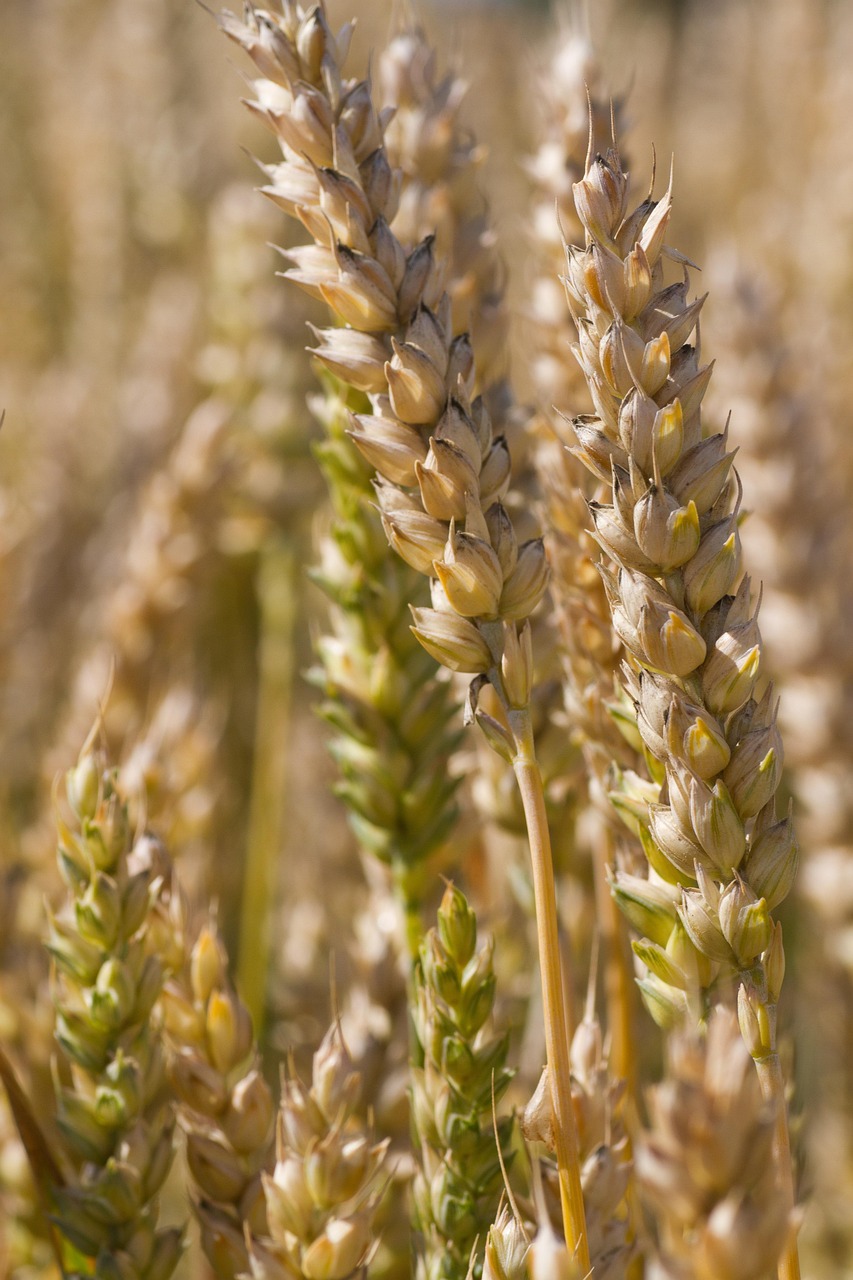
In France, a trial with plant extract-based biostimulants in wheat crops showed an 18% increase in yield and improved disease resistance, resulting in lower pest control costs. In the Netherlands, it has been reported that the use of biostimulants in vegetable crops has increased production by 22%, in addition to reducing the need for chemical fertilizer applications by 30%.
Recent Research on Biostimulants in Europe
Recent research has explored the impact of different biostimulant formulations on specific crops. For example, a study published in the journal Field Crops Research found that the application of a hydrolyzed protein-based biostimulant in corn crops resulted in a 15% increase in total biomass and a 10% increase in nitrogen concentration in the leaves, suggesting better utilization of nitrogen fertilization.
Additionally, another study conducted in greenhouses in Italy demonstrated that the use of mycorrhizal fungi-based biostimulants improved phosphorus absorption in pepper plants, leading to a 20% increase in overall crop yield. These findings underscore the importance of selecting the appropriate biostimulant based on the specific conditions of the crop and soil.
Trends in Latin America
Latin America is becoming a key market for biostimulants, with an estimated value of USD 3.963 million by 2025. Growth in this region is driven by the need to meet global sustainability standards and the growing demand for organic agricultural products. However, there are challenges such as non-tariff barriers that affect competitiveness in markets like the EU and the U.S.
Government initiatives are promoting organic farming, and as producers face price volatility, biostimulants offer a viable alternative to improve crop profitability and sustainability.
Challenges and Opportunities in Latin America
- Barriers: Phytosanitary and traceability barriers as obstacles to mass adoption.
- Premium Prices: The need to demonstrate profitability to justify the use of biostimulants.
- Opportunities: Expansion in Asia-Pacific and the organic farming model in Latin America.
Success Stories in Latin America
In Brazil, the use of biostimulants in sugarcane production has allowed for a 15% increase in sugar production per hectare. Farmers who adopted these products reported not only an increase in production but also a reduction in the use of chemical fertilizers, aligning with global market sustainability demands.
Impact of Biostimulants on Coffee Agriculture
In Colombia, the use of biostimulants in coffee crops has proven to be an effective strategy to increase grain quality. The application of amino acid-based biostimulants has resulted in a 20% increase in coffee quality, with a reduction in the incidence of fungal diseases. This has allowed producers to obtain better prices in the international market and improve the profitability of their farms.
Research and Development in Latin America
Universities and research centers in countries like Argentina and Chile are at the forefront of developing biostimulants from local resources. Research has shown that certain extracts from native plants can act as biostimulants, improving crop resistance to pests and diseases, which could reduce dependence on chemical pesticides.
Collaboration between Universities and Producers
The collaboration between universities and farmers in Latin America has led to the development of customized biostimulants that adapt to local conditions. For example, a project in Argentina has used seaweed extracts to create a biostimulant that increased soybean crop yields by 15%, by improving nutrient absorption in soils low in organic matter.
Innovations in Biostimulants in Latin America
Innovation in the formulation of biostimulants has led to the development of more effective and specific products. For example, in Mexico, biostimulants have been created from agricultural waste, such as sugarcane bagasse, which have proven effective in improving the growth of corn and bean crops. These products are not only sustainable but also help reduce agricultural waste.
A study in Colombia demonstrated that the application of coffee extract-based biostimulants in banana crops resulted in an 18% increase in production, in addition to improving fruit quality. This type of innovation is driving a shift towards more sustainable and profitable practices in Latin American agriculture.
Benefits of Biostimulants
Biostimulants offer a range of key benefits that are transforming agriculture. These include:
- Increased Tolerance: Improves resistance to drought and frost, which is crucial in a climate change context.
- Crop Yield: Increases both the quantity and quality of fruits, optimizing production.
- Resource Use Efficiency: Improves water efficiency and nutrient use, reducing the need for chemical inputs.
- Reduction of Environmental Footprint: By decreasing the use of synthetic fertilizers, it contributes to more sustainable agriculture.
Mechanisms of Action of Biostimulants
Biostimulants act at the physiological and biochemical levels, stimulating metabolic processes in plants. One of the most notable mechanisms is the activation of phytohormone production, which are compounds that regulate plant growth and development. For example, it has been shown that amino acid-based biostimulants can increase the concentration of gibberellins and auxins, improving germination and root growth.
Additionally, biostimulants can influence soil enzyme activity, promoting greater nutrient availability. A study published in Soil Biology and Biochemistry showed that the application of a humate-based biostimulant increased phosphatase activity in the soil, resulting in greater phosphorus availability for plants.
Interaction with the Soil Microbiome
Biostimulants also influence the composition and activity of the soil microbiome, which is crucial for the health of the agricultural ecosystem. A study at Wageningen University showed that the application of microorganism-based biostimulants increased microbial diversity in the soil by 25%, which correlated with improved soil structure and greater water retention capacity.
Impact on Soil Health
Biostimulants also have a positive impact on soil health, favoring microbial activity and organic matter formation. The addition of biostimulants can increase microbial diversity in the soil, which in turn improves soil structure and its ability to retain water. Studies have shown that the application of biostimulants can increase microbial biomass in the soil by 30%, contributing to a healthier and more productive ecosystem.
For example, in an experiment conducted in wheat crops in Germany, it was found that the application of an algae extract-based biostimulant increased the activity of beneficial microorganisms in the soil, resulting in a 15% increase in soil organic matter during a growing season.
Practical Applications of Biostimulants in the Field
The implementation of biostimulants in the field has diversified, and their use adapts to different crops and conditions. For example, in rice crops in Italy, an algae extract-based biostimulant has been used that has demonstrated improved tolerance to salt stress, increasing yield by 12% under salinity conditions. This type of application not only improves yield but also helps farmers face the challenges of climate change.
In tropical fruit crops, such as papaya in Brazil, it has been observed that the application of amino acid-based biostimulants can increase fruit quality, reducing the incidence of post-harvest diseases by 25%. This not only improves profitability but also reduces agricultural product waste.
Another example is the use of biostimulants in vegetable crops in greenhouses, where it has been shown that products based on mycorrhizal fungi increase the absorption of essential nutrients, such as nitrogen and phosphorus, resulting in stronger and healthier plant growth. In a study conducted in greenhouses in the Netherlands, the application of a mycorrhiza-based biostimulant resulted in a 30% increase in lettuce crop yield.
In onion crops in Spain, it has been reported that the application of a seaweed extract-based biostimulant not only increased yield by 20% but also improved the size and uniformity of the bulbs, which is crucial for product marketing. Farmers who adopted this approach have seen a significant return on investment due to the improvement in the quality of the final product.
In the case of coffee crops in Colombia, it has been shown that the application of amino acid and plant extract-based biostimulants improves plant resistance to diseases such as coffee leaf rust, resulting in a 15% increase in high-quality coffee grain production. This type of innovation not only benefits producers but also contributes to the sustainability of agricultural production in the region.
Development of Application Protocols
The creation of specific application protocols for each type of crop and soil conditions is essential to maximize the effectiveness of biostimulants. For example, in corn crops, it has been established that the application of biostimulants during the early growth stages can result in a 20% increase in root development. This is because biostimulants promote the production of secondary roots, improving the absorption of water and nutrients.
Conclusion and CTA
In conclusion, the trends in biostimulants are shaping the future of agriculture, offering innovative solutions that respond to the demands for sustainability and efficiency. At Ecoganic, we are committed to developing biostimulants and ecological fertilizers that sustainably improve crop productivity. Contact us to learn how our products can optimize your crops in Europe and Latin America.
Related Articles
Need Professional Help?
At Ecoganic, we offer Biostimulants, Ecological Fertilizers, Bioprotectors. Call us: +34 652 530 492.
Request your free quote
Trends in Biostimulants: The Future of Agriculture
The use of biostimulants in agriculture has grown significantly in the last decade, with an estimated global market increase of 10% annually. This growth is due to the need for more sustainable agricultural practices and the demand for higher quality food. It is expected that by 2025, the biostimulant market will reach a value of 3 billion dollars, reflecting a change in how farmers approach crop management.
One of the most prominent trends is the use of microorganism-based biostimulants. These products, which include bacteria and fungi, have been shown to improve soil health and nutrient availability. According to a recent study, it has been observed that the use of these biostimulants can increase crop yields by 15-20%, representing a viable alternative to traditional chemical fertilizers that can be harmful to the environment.
Furthermore, the integration of biostimulants in precision agriculture is on the rise. With the use of technologies such as drones and soil sensors, farmers can apply biostimulants more efficiently and specifically, optimizing their use and reducing costs. It is estimated that the combination of these technologies can increase resource use efficiency by 30%, contributing to more sustainable agriculture.
For farmers looking to adopt biostimulants, it is essential to conduct a soil analysis before application. This allows for the identification of the specific needs of the crops and the selection of the appropriate biostimulant. It is recommended to start with low doses and adjust according to the crop’s response, as each soil and crop may react differently. Additionally, it is important to combine the use of biostimulants with sustainable agronomic management practices to maximize long-term benefits.
Related Articles
- Ecoganic
- Effects of Biostimulants on Wine Flavor
Frequently Asked Questions
What are biostimulants?
Biostimulants are products that enhance plant growth and development through biological mechanisms.
How are biostimulants applied?
They are applied at different stages of the crop, depending on the type of product and the desired objective.
What are the benefits of using biostimulants?
They increase stress tolerance, improve crop quality, and optimize resource use.
Are biostimulants safe?
Yes, they are regulated and classified to ensure their effectiveness and safety in agricultural use.
👉 Discover our complete program: Biostimulants for Coffee — technical application guide, phenological phases, and recommended products.
👉 Discover our complete program: Biostimulants for Tomato — technical application guide, phenological phases, and recommended products.
👉 Discover our complete program: Biostimulants for Cocoa — technical application guide, phenological phases, and recommended products.
👉 Discover our complete program: Biostimulants for Vine and Grape — technical application guide, phenological phases, and recommended products.
👉 Discover our complete program: Biostimulants for Corn — technical application guide, phenological phases, and recommended products.